Creative Careers Without Borders: Why Remote Degrees Make Sense Now
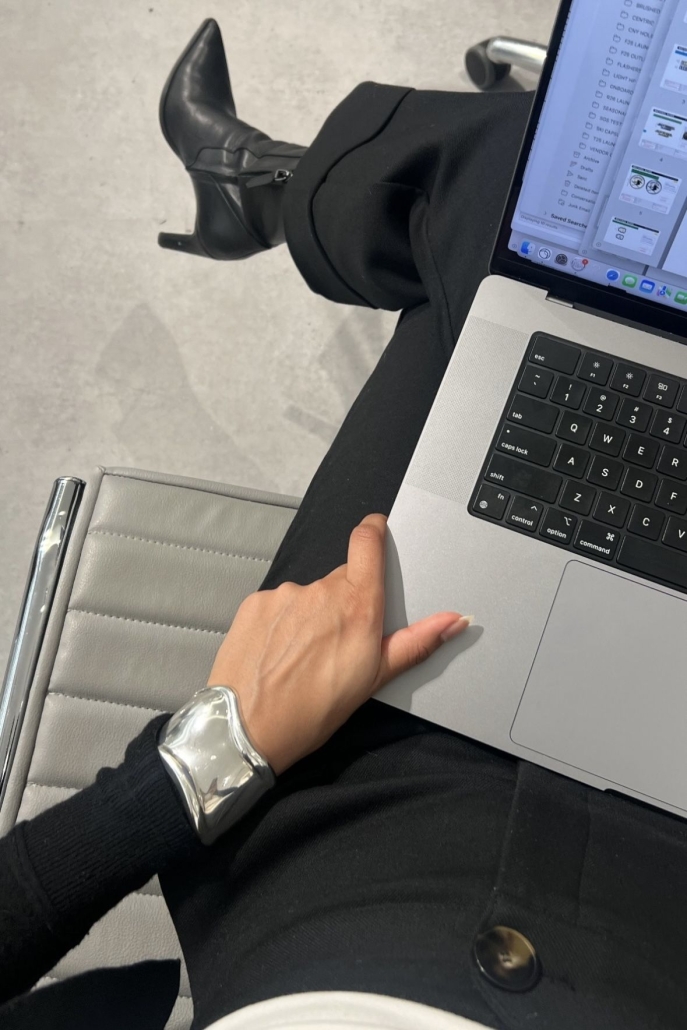
Borders have not always existed in fashion! Trends slip from Seoul to Copenhagen in an instant. Many independent designers are selling products globally without having a physical showroom. Stylists are working together across time zones. Creative direction takes place as much on shared screens as it does in studios.
Creativity is usually associated with movement and reinvention, so has Education also changed? Yes! A growing number of creatives now use remote learning as not just a contingency plan but also a tool in their strategic toolbox.
The Industry Is Already Digital
Fashion no longer lives exclusively on runways. It lives on e-commerce platforms, in analytics dashboards, across social feeds, and inside global supply chains.
Understanding branding now often means understanding algorithms. Building a label requires fluency in logistics, sustainability reporting, and digital consumer behavior. Even emerging designers are expected to navigate online launches, international audiences, and data-informed decisions.
In that context, traditional campus-only education isn’t the only path forward. Online degrees allow creative professionals to deepen their expertise while staying embedded in the industry itself, working, freelancing, interning, or building a portfolio in real time.
Instead of stepping away from momentum, they build on it.
Learning Without Pausing Your Career
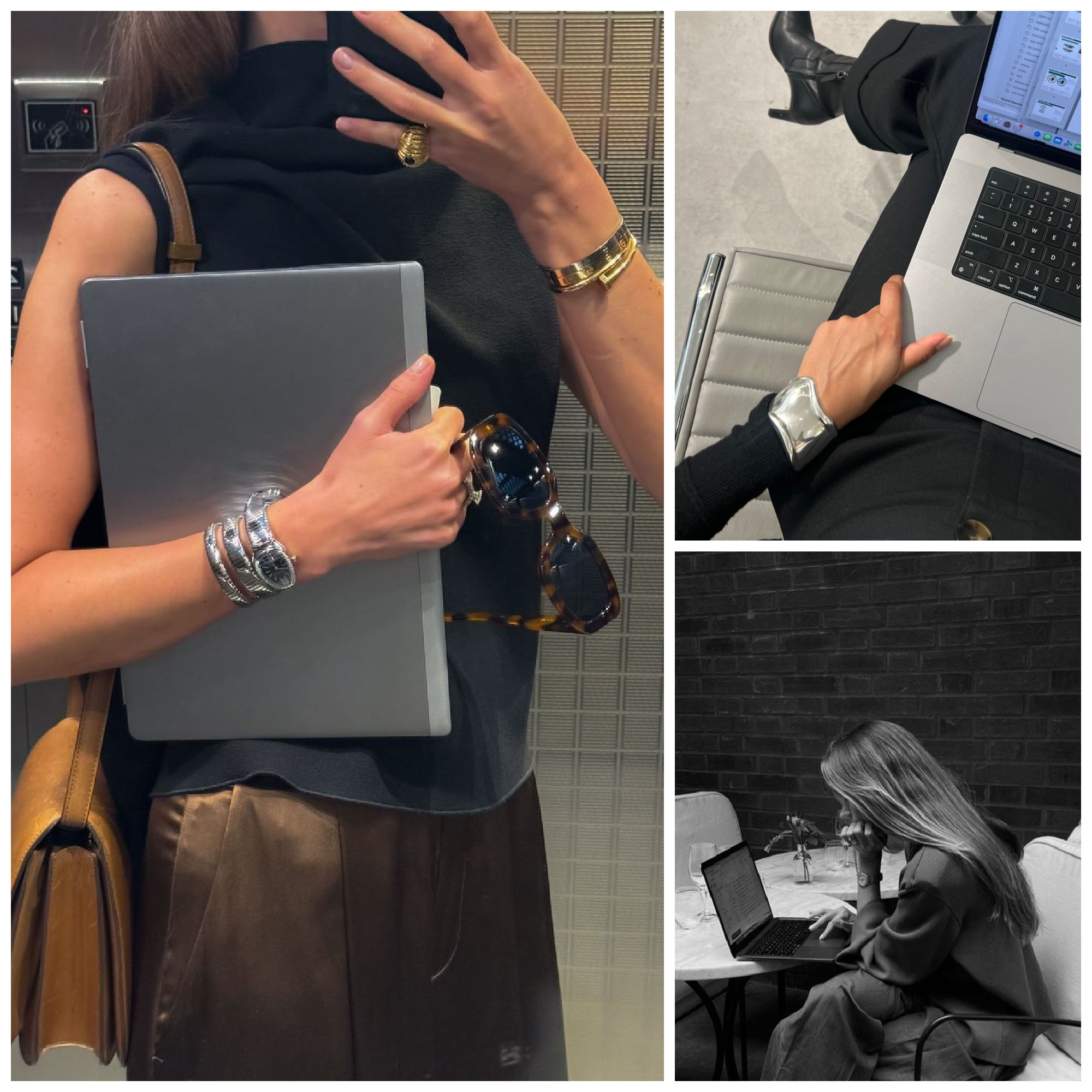
Creative careers rarely follow a straight line. There are freelance seasons, intense production cycles, unexpected collaborations, and periods of experimentation. Stepping away for a full-time, on-campus academic degree isn’t always practical, or necessary.
Remote learning offers flexibility that aligns with how creatives actually work:
- Studying between client projects
- Attending virtual lectures from different cities
- Completing certifications while developing a collection
- Advancing qualifications without relocating
For independent designers especially, online education for designers can mean refining business acumen, sustainability knowledge, or digital marketing skills without disrupting brand growth.
Education becomes integrated into the rhythm of creative life, not separate from it.
A Global Perspective by Design
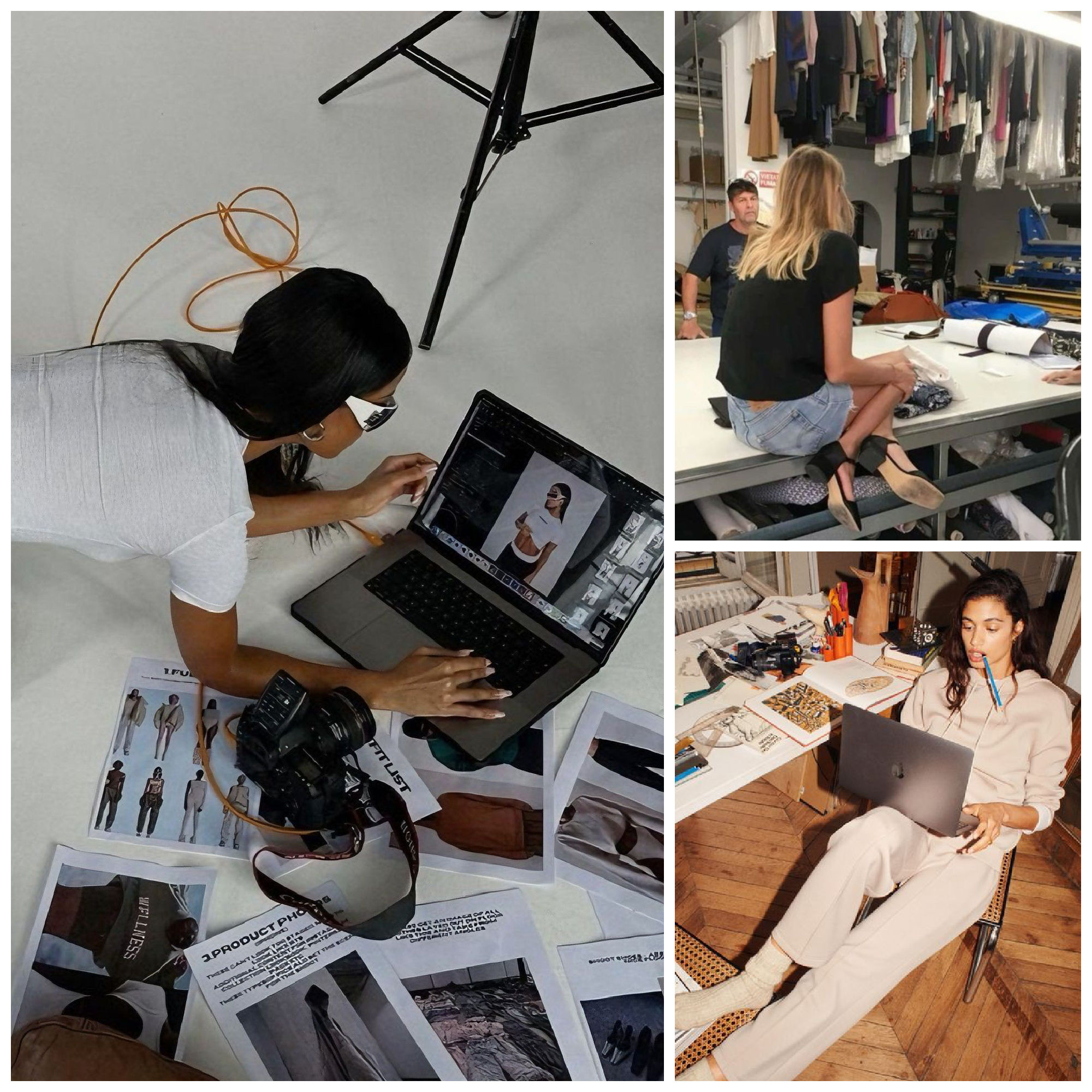
One of the quiet advantages of online degrees is exposure to international networks. Virtual classrooms often bring together professionals from different industries and regions, reflecting the global nature of modern fashion.
Discussions about sourcing, production ethics, consumer psychology, and emerging markets become richer when shaped by varied experiences. For creatives aiming to work across borders, or sell internationally, this perspective matters.
In many ways, remote learning mirrors the reality of the fashion ecosystem itself: interconnected, cross-cultural, and constantly evolving.

Beyond the Bachelor’s: Education at Every Stage
Career growth in creative industries doesn’t end after the first qualification. As roles become more specialized, many professionals return to structured learning to sharpen their focus.
Some pursue targeted certificates in branding, digital commerce, or sustainability. Others enroll in master’s programs to transition into leadership roles or consultancy work. And increasingly, online doctoral programs are attracting professionals interested in research, education, innovation, or shaping policy within creative industries.
For those drawn to teaching, industry analysis, or long-term strategic influence, an advanced academic degree can open doors that pure portfolio work alone may not.
The key difference now is accessibility. Online formats make these pathways available to working creatives who might otherwise postpone, or abandon, further study altogether.
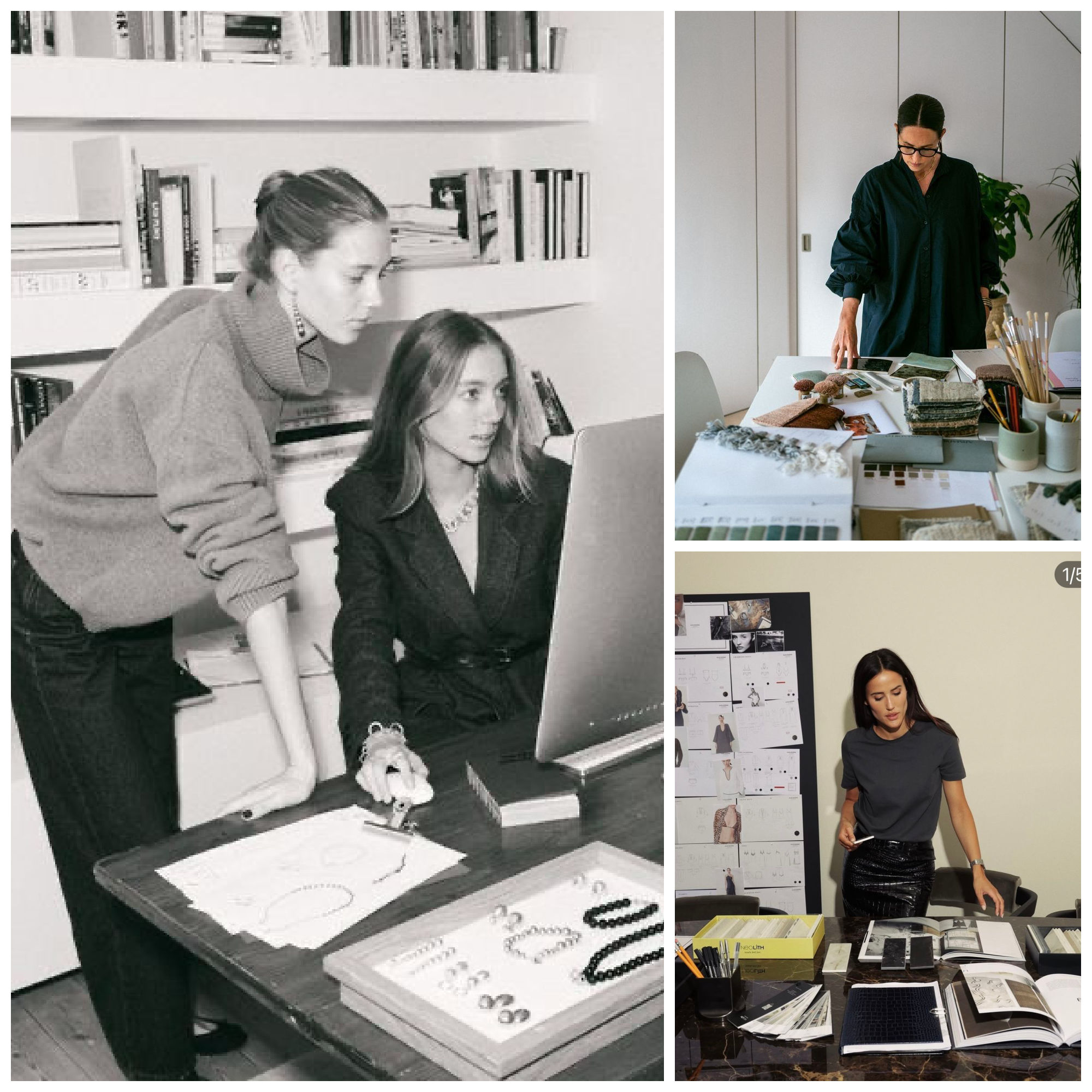
Independence, Reinforced
There’s a long-standing myth in creative fields that talent alone is enough. While originality remains central, today’s industry rewards those who pair creativity with strategy.
Understanding contracts. Reading market trends. Managing teams. Scaling sustainably. Communicating across cultures.
These are learned skills.
Remote learning doesn’t replace lived experience; it strengthens it. It allows designers, stylists, entrepreneurs, and creatives to formalize what they know, fill gaps in what they don’t, and position themselves for longevity in a competitive landscape.
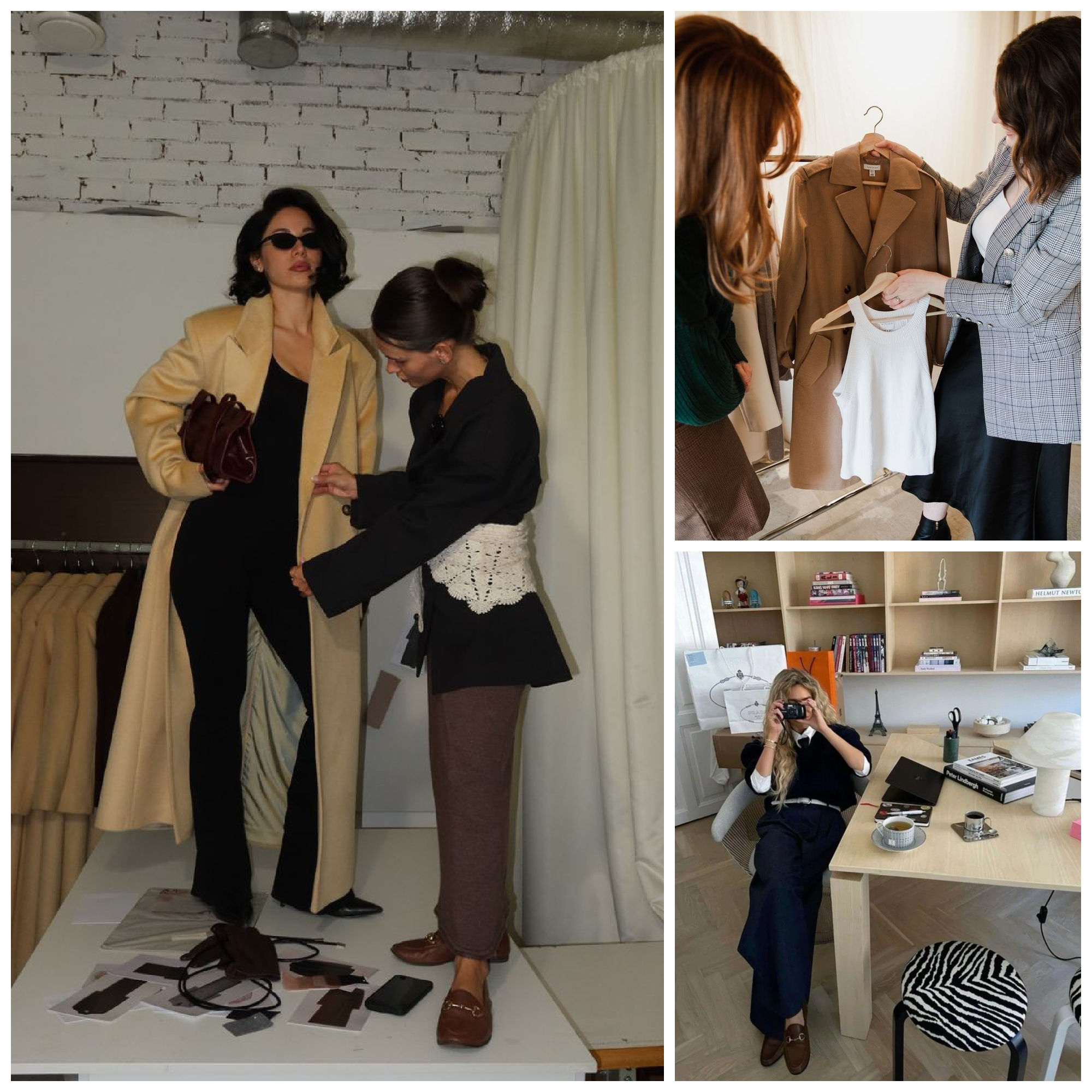
Education Without Borders
Fashion has always adapted to change. From analog sketchbooks to 3D rendering software, from physical lookbooks to immersive digital campaigns, evolution is part of its DNA.
Education is simply following suit.
For creatives building careers that stretch across cities, platforms, and disciplines, remote learning offers something aligned with the moment: flexibility without compromise, structure without rigidity, and opportunity without geographic limitation.
In a global industry, it makes sense that preparation would be global too.
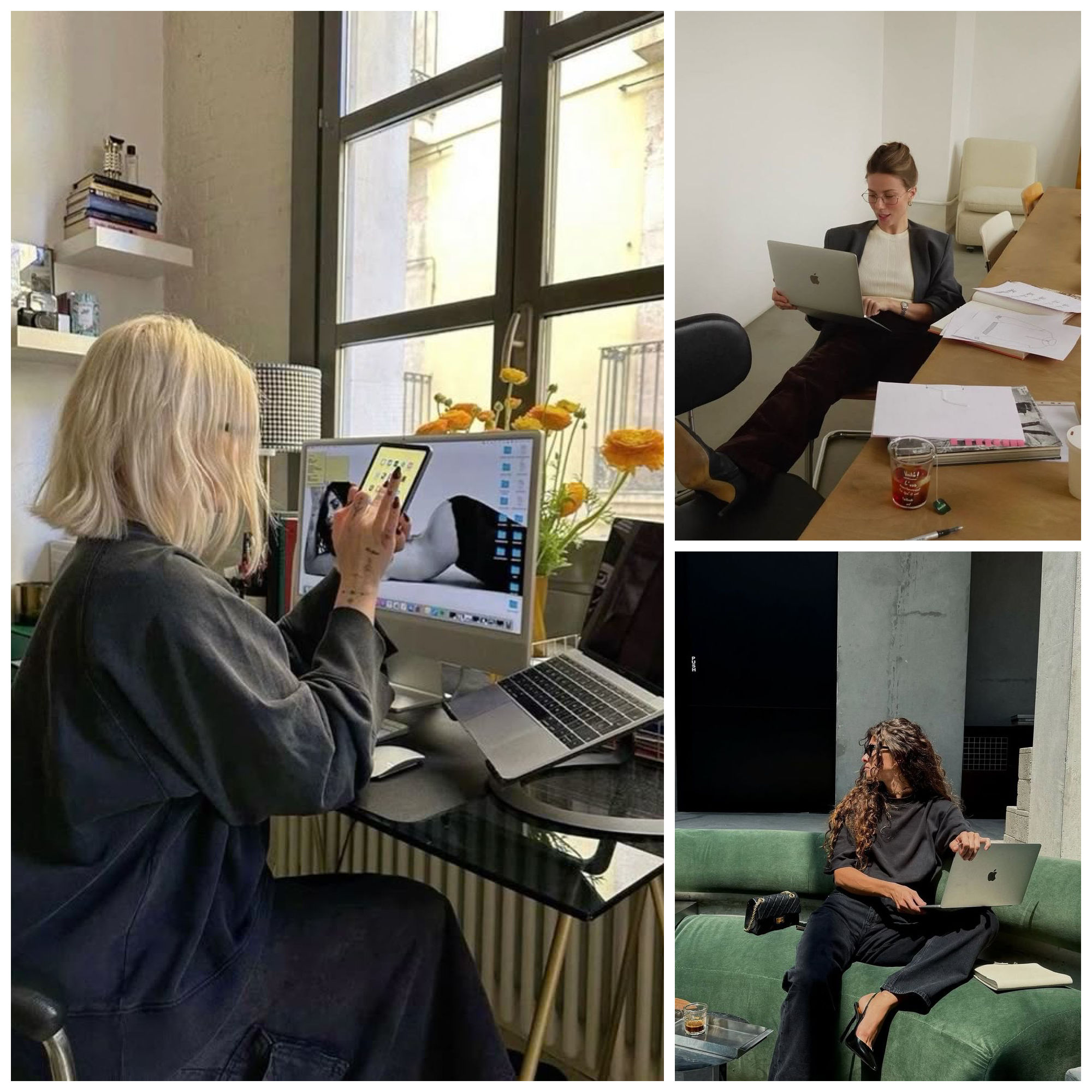
xoxo