Why Hair Changes With Age: What Actually Affects Growth and Thickness
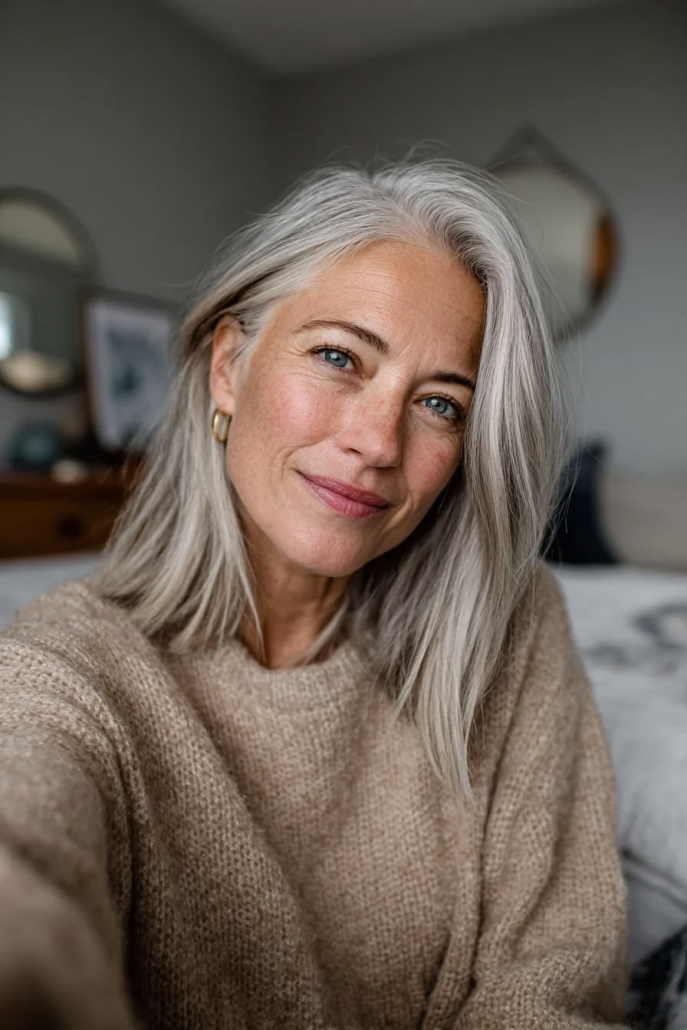
At some point, almost everyone notices it – a ponytail that feels thinner than it used to, a part that seems a little wider, strands on the pillow that feel like more than usual. It’s rarely dramatic at first. It shows up slowly, in small comparisons to how things used to look, and it’s easy to explain away with whatever’s convenient – a new shampoo, stress at work, “just getting older.”
Sometimes those explanations are right. But hair is actually a pretty accurate reflection of what’s going on inside the body more broadly, which means changes in growth, thickness, or texture are often about more than product choices or bad luck. Understanding what’s actually driving those changes – rather than just cycling through new bottles on the shower shelf – tends to be a lot more useful than most beauty advice lets on.
It’s Not Just What You Put On It
Most hair advice focuses entirely on the external side of things – the right shampoo, the right oil, the right supplement. All of that matters at the margins, but it’s only part of the picture. Hair growth is influenced by more than shampoos, oils, and supplements. Hormonal health can also play a role, which is why questions about HGH and hair growth sometimes come up when people notice changes in hair density, texture, or shedding. That internal piece rarely gets mentioned in beauty content, even though it’s often doing more of the work than any product ever could.
What’s Actually Changing as Hair Ages
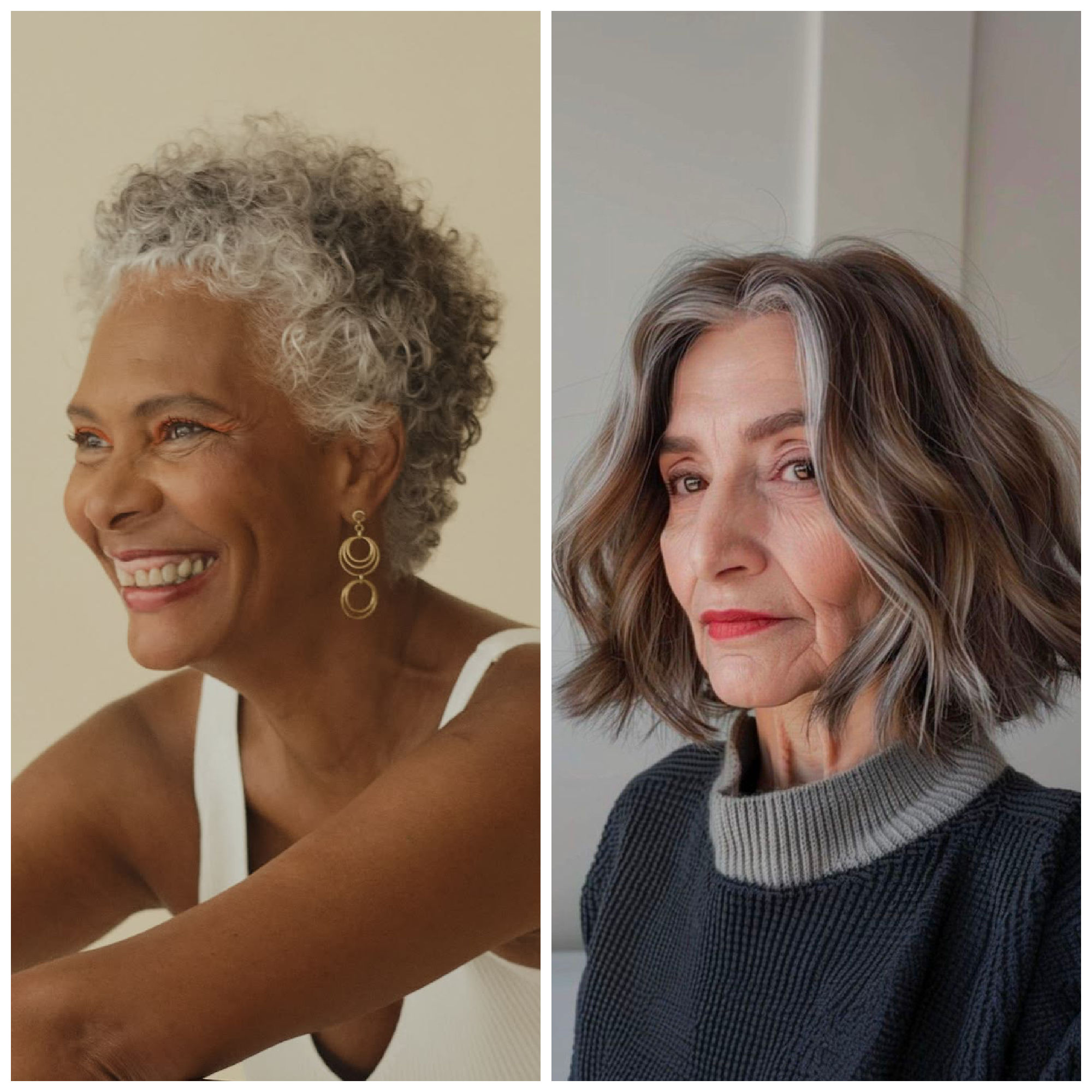
Hair goes through its own aging process, separate from – but connected to – everything else happening in the body over time.
The hair growth cycle itself shifts with age. Strands spend less time in the active growth phase and more time resting or shedding, which is a big part of why hair can feel thinner overall even without any dramatic loss happening all at once.
Each individual strand actually gets finer over time for a lot of people, a process related to how hair follicles gradually shrink with age – meaning the same number of strands can look and feel noticeably less voluminous than they used to.
Hormonal shifts play a genuinely significant role, and not just around one specific life stage. Estrogen, testosterone, thyroid hormones, and growth hormone all interact with hair follicles in ways that can affect density, texture, and growth rate as levels change throughout adulthood.
Scalp health changes too, often overlooked in favor of focusing purely on the hair itself. Circulation and oil production patterns shift with age, which affects the environment hair is actually growing out of.
A Few Facts Worth Knowing
The science behind hair aging is more specific – and more interesting – than most beauty marketing lets on.
Hair follicles have a genetically programmed cycle, and research shows the active growth phase naturally shortens with age, which is one of the primary reasons hair density declines even in people with no underlying medical condition. This pattern is well documented by dermatological researchers, including material published through the National Library of Medicine.
Thyroid hormones have a well-established connection to hair health, and an underactive thyroid can produce noticeable changes in hair texture and shedding, according to patient information published by the American Thyroid Association.
Hormonal shifts during major life transitions – pregnancy, postpartum, menopause, and andropause in men – are all independently associated with measurable changes in hair growth and shedding patterns, which is why hair changes often cluster around specific life stages rather than happening at a steady, predictable rate the whole time.
Nutritional factors genuinely matter too, though they’re often overemphasized relative to hormonal ones. Deficiencies in iron, certain B vitamins, and protein intake are all linked to hair thinning, which is part of why hair changes deserve a broader look rather than being treated as purely cosmetic.
Stress has a real, documented physiological effect on hair as well – a phenomenon where a stressful event can push a larger-than-normal number of follicles into the shedding phase a few months later, which explains why hair loss sometimes seems to appear “out of nowhere” a season or two after a genuinely difficult stretch.
Sorting Out What Might Actually Be Going On
Since hair changes can stem from so many different sources, it helps to think through a few categories rather than assuming it’s any one specific cause.
Gradual, all-over thinning that’s been building slowly over years often points toward the natural aging process combined with genetics – the most common and least alarming explanation.
Sudden or patchy shedding that shows up more abruptly is more often tied to a specific trigger – a stressful event, a nutritional gap, a medication change, or a hormonal shift – and tends to be worth mentioning to a doctor rather than just waiting it out.
Changes that show up alongside other symptoms – fatigue, weight changes, skin or nail changes – are worth paying closer attention to, since hair is often one of several signals the body sends out together rather than an isolated issue.
Changes that started around a specific life transition – postpartum, perimenopause, a major hormonal shift of any kind – are usually easier to explain and often, though not always, temporary.
What Actually Helps
For anyone noticing real changes and wanting to address the root cause rather than just the surface symptoms, a few things tend to matter more than another new product:
A conversation with a doctor if changes are sudden, patchy, or accompanied by other symptoms, since bloodwork can rule in or out several of the more common underlying causes.
Basic nutritional adequacy – enough protein, iron, and key vitamins – since deficiencies here are common and genuinely fixable once identified.
Reasonable expectations about timeline, since hair grows slowly by nature and any real improvement, whatever the cause, tends to take months to become visible rather than weeks.
Scalp care alongside hair care, since a healthy growing environment matters just as much as what’s being applied to the strands themselves.
Conclusion
Hair changes with age for a mix of reasons – some purely cosmetic, some tied to genetics, and some connected to hormonal shifts happening well beneath the surface. Chasing a new product for every new symptom rarely gets to the actual cause, especially when that cause has more to do with what’s happening internally than what’s being applied externally.
Understanding what’s actually driving a change, rather than guessing at it with another bottle off the shelf, tends to be the difference between a fix that sticks and one that just delays the same question for another few months.
xoxo


