Key Ingredients That Make Hair Serums Effective
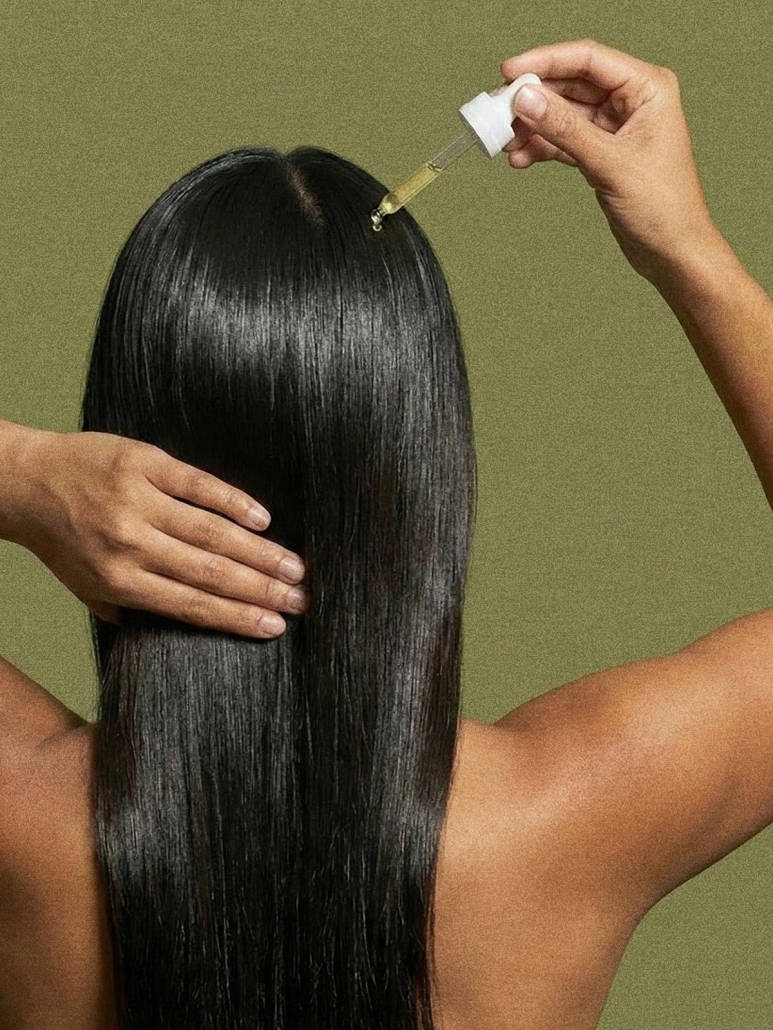

Pick up any hair serum at a pharmacy today and you’ll find a paragraph of ingredients on the label — most of which mean nothing to the average person. Silicones, peptides, plant extracts, amino acids. It sounds impressive, but which ones actually do something? And more importantly, do they work together or just coexist in a bottle? Understanding what goes into a hair serum — and why — helps you make a smarter choice rather than just buying what’s marketed the loudest.
What Hair Serums Are Actually Designed to Do
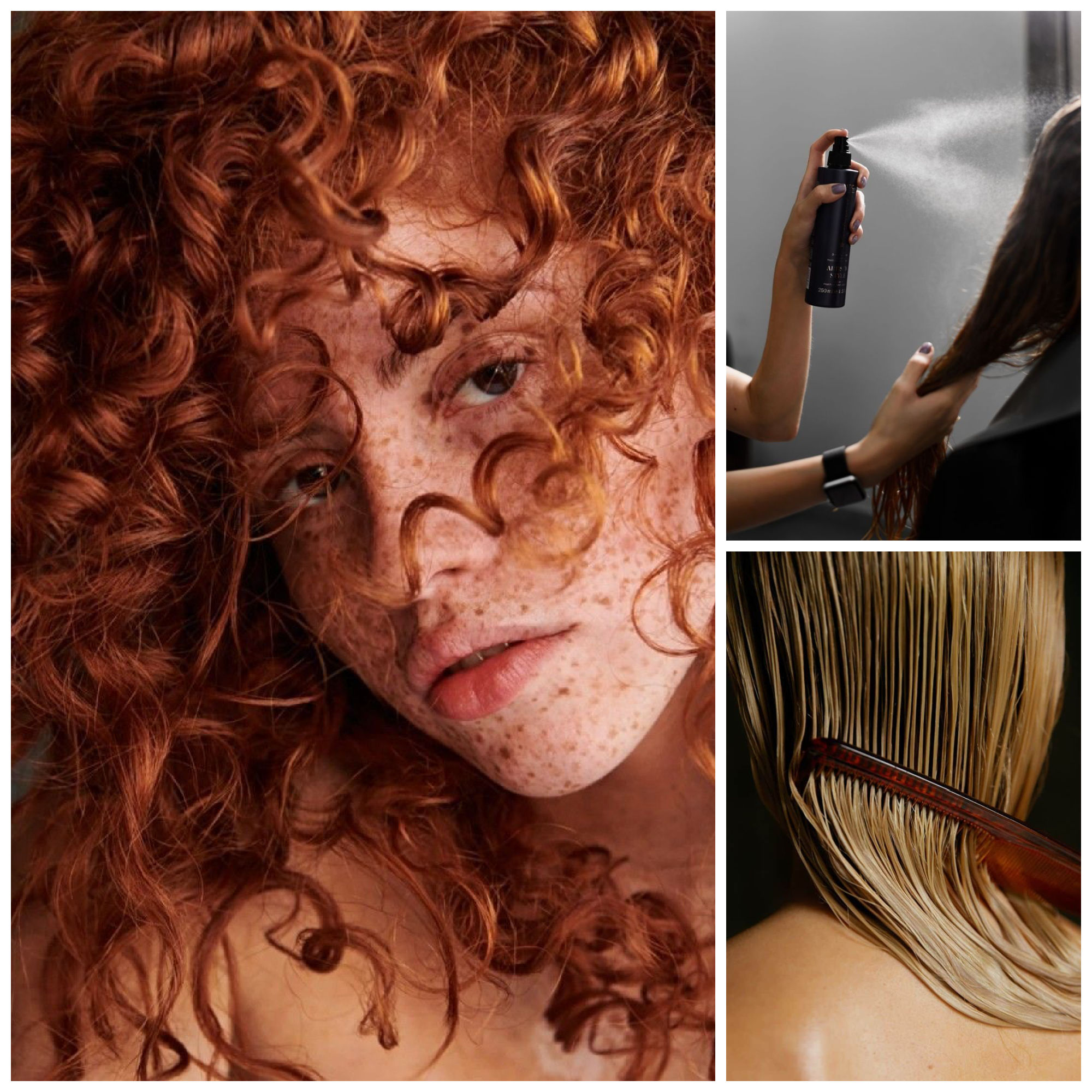
Hair serums are not conditioners. They don’t clean or deeply nourish the scalp the way oils do. Their job is more targeted — they work primarily on the hair shaft and, in some formulations, on the scalp environment to support healthier growth.
There are two broad categories. Styling serums focus on smoothing the cuticle, adding shine, and reducing frizz. Growth or treatment serums go deeper, attempting to stimulate follicles, extend the growth phase of hair, or reduce shedding. The ingredients list will tell you which type you’re dealing with, even when the marketing doesn’t.
Silicones: The Double-Edged Ingredient
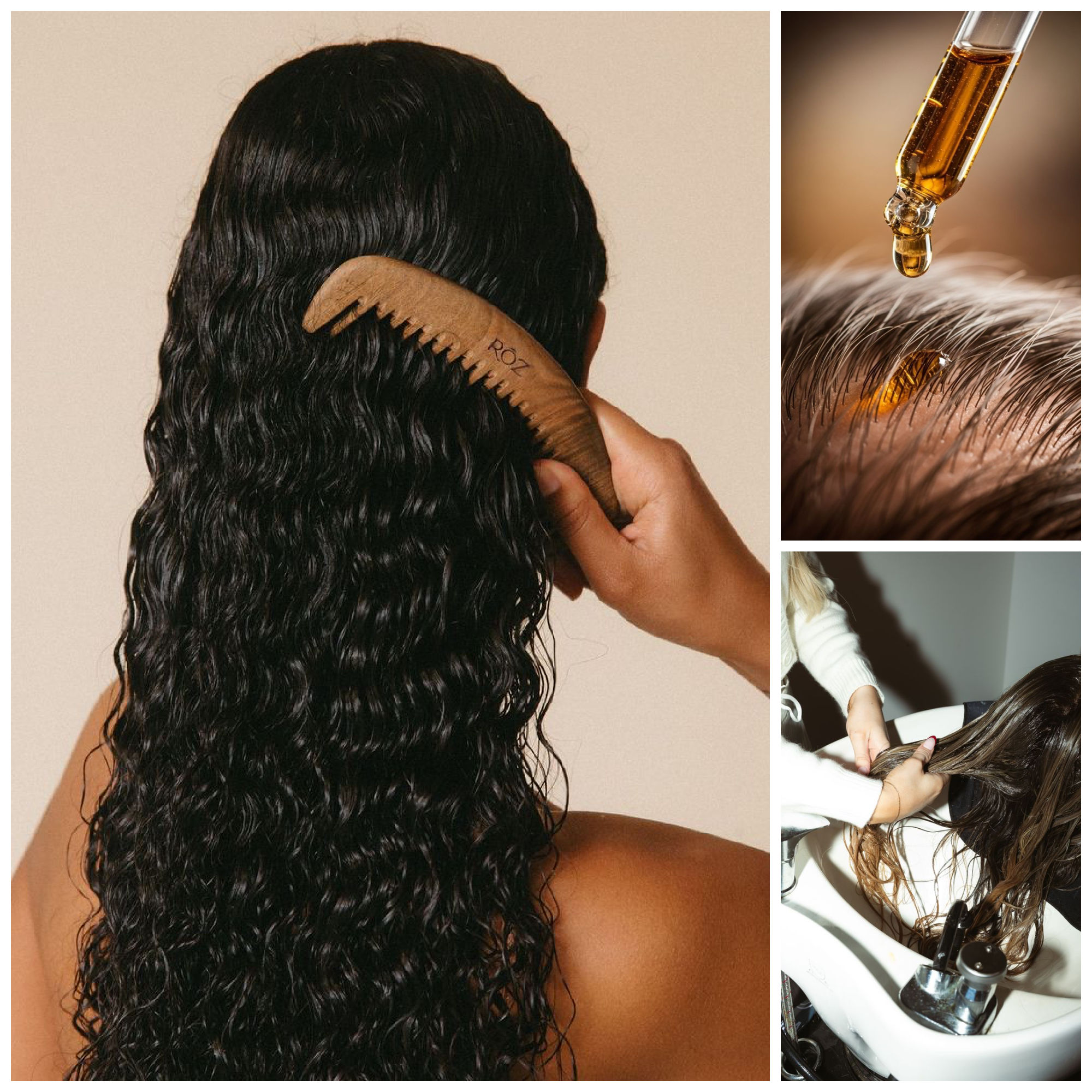
Most traditional hair serums lean heavily on silicones — dimethicone, cyclomethicone, and similar compounds. These create a thin coating around the hair strand that instantly makes hair feel smoother and look glossier. For people with dry or frizzy hair, the effect is real and immediate.
The catch is that silicones don’t treat anything. They mask. With regular use and insufficient cleansing, silicone buildup can weigh hair down and block moisture from penetrating the shaft. Whether silicones are helpful or harmful depends largely on your hair type and how consistently you clarify your scalp.
The Ingredients That Actually Support Hair Growth
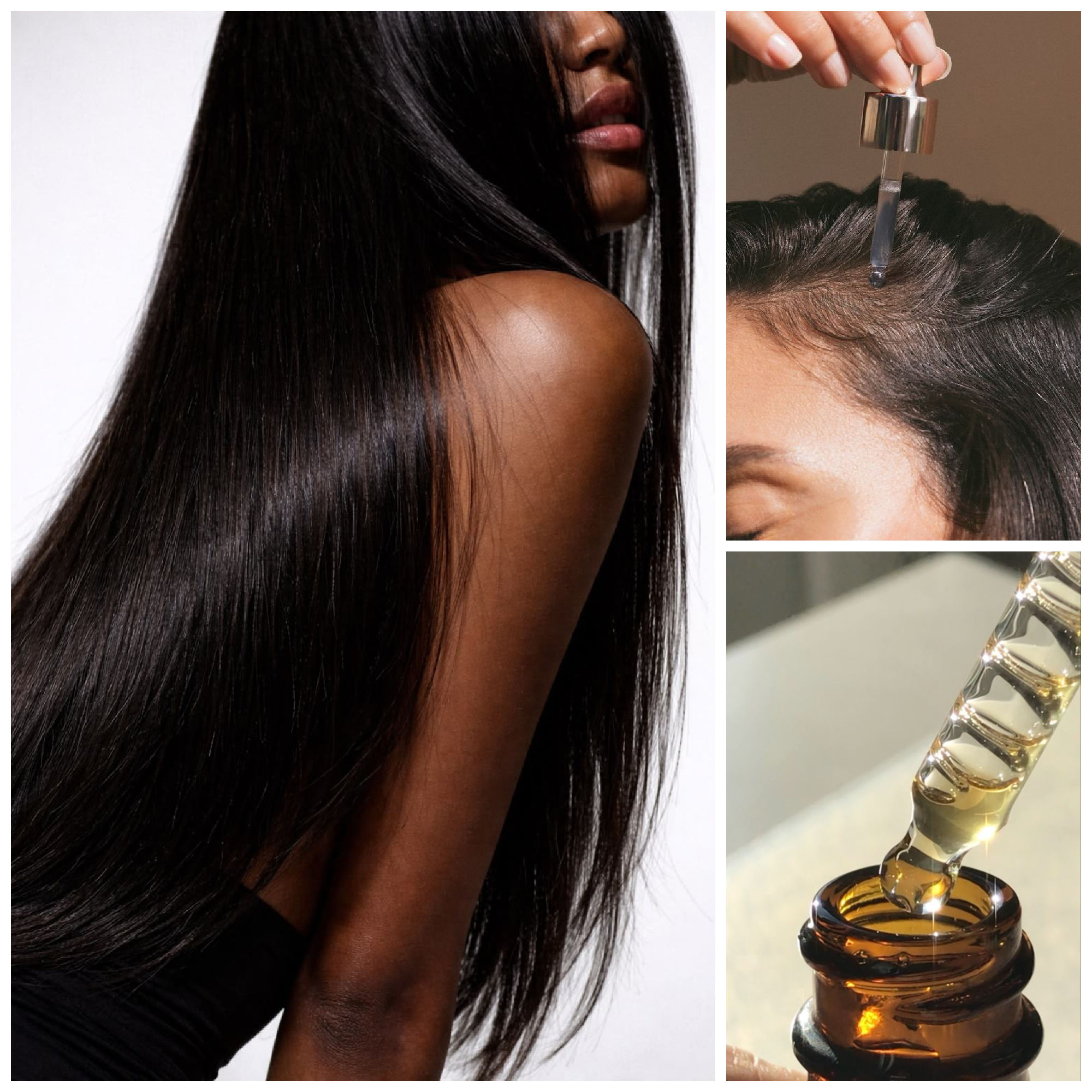
This is where it gets more interesting. Treatment serums contain actives that interact with the biology of hair follicles, not just the surface of the strand. Some worth knowing:
- Redensyl — One of the more researched newer ingredients in hair care. If you’re wondering what is redensyl%20and%20for%20patients%20with%20telogen%20effluvium.,-Benefits%20of%20Redensyl), it’s a compound that targets stem cells in the hair follicle, specifically aiming to shift more hairs from the resting phase (telogen) into the active growth phase (anagen). It’s one of the few non-drug ingredients with clinical data behind it.
- Anagain — Derived from organic pea sprouts, this ingredient works on signal molecules in the dermal papilla to encourage the anagen phase. It’s often paired with redensyl in growth serums.
- Procapil — A combination of biotinyl-GHK, oleanolic acid, and apigenin. It’s aimed at improving scalp circulation and reducing the miniaturization of follicles, which is what happens when hair follicles gradually shrink due to DHT sensitivity.
- Caffeine — Not just a morning stimulant. Topically applied caffeine has been shown to penetrate the scalp and counteract some effects of DHT on hair follicles. It’s a mild but genuine active.

Carrier Ingredients and Why They Matter
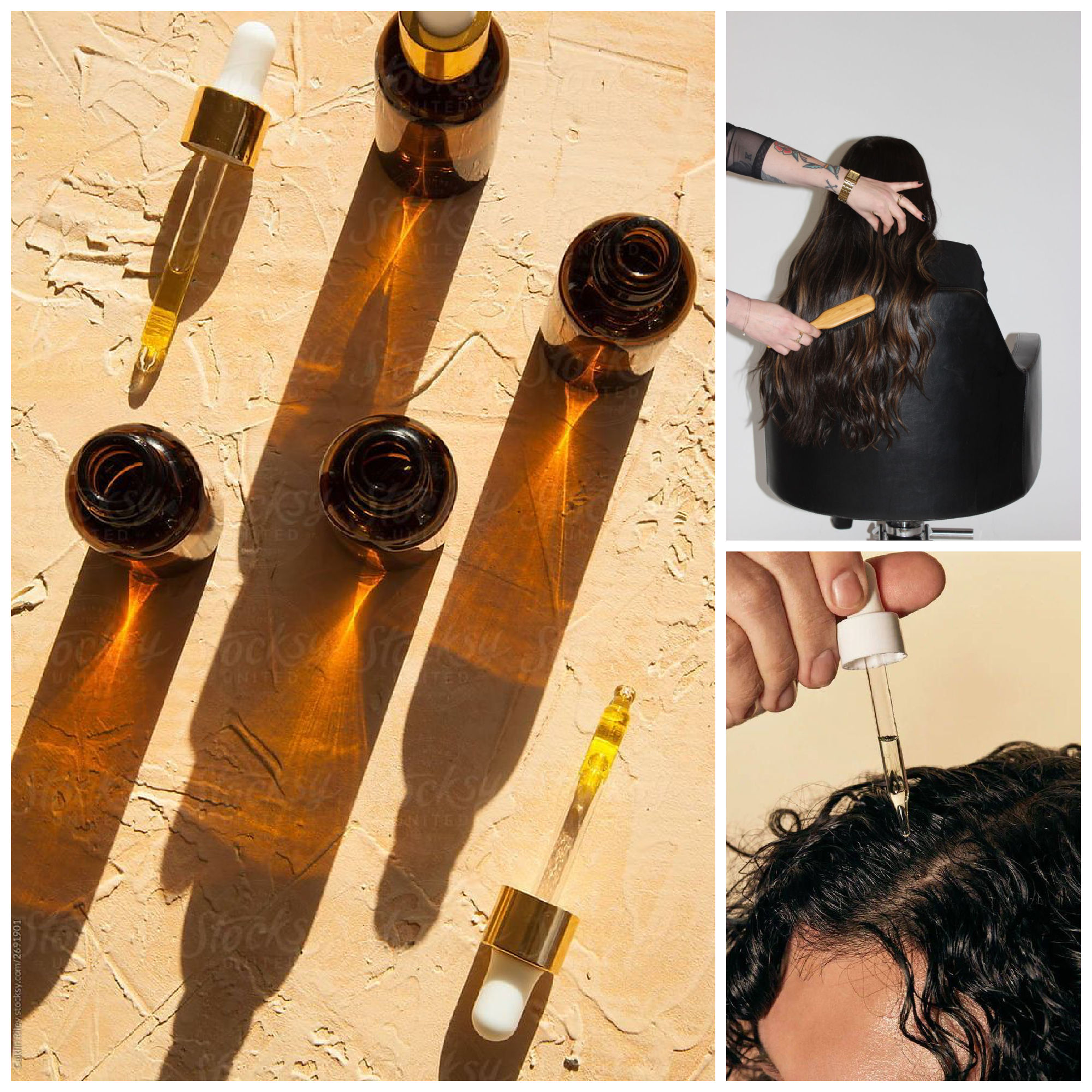
The actives get the credit, but carriers determine whether those actives reach where they’re supposed to go. A well-formulated serum uses penetration enhancers like niacinamide or lightweight oils (argan, jojoba) to help active ingredients absorb rather than just sit on the surface.
Water-based serums tend to penetrate better for growth purposes. Oil-heavy serums work better for shine and smoothing. This is why a serum designed for hair fall will feel and behave very differently from one designed to manage frizz.
How Traya Approaches Serum Formulation
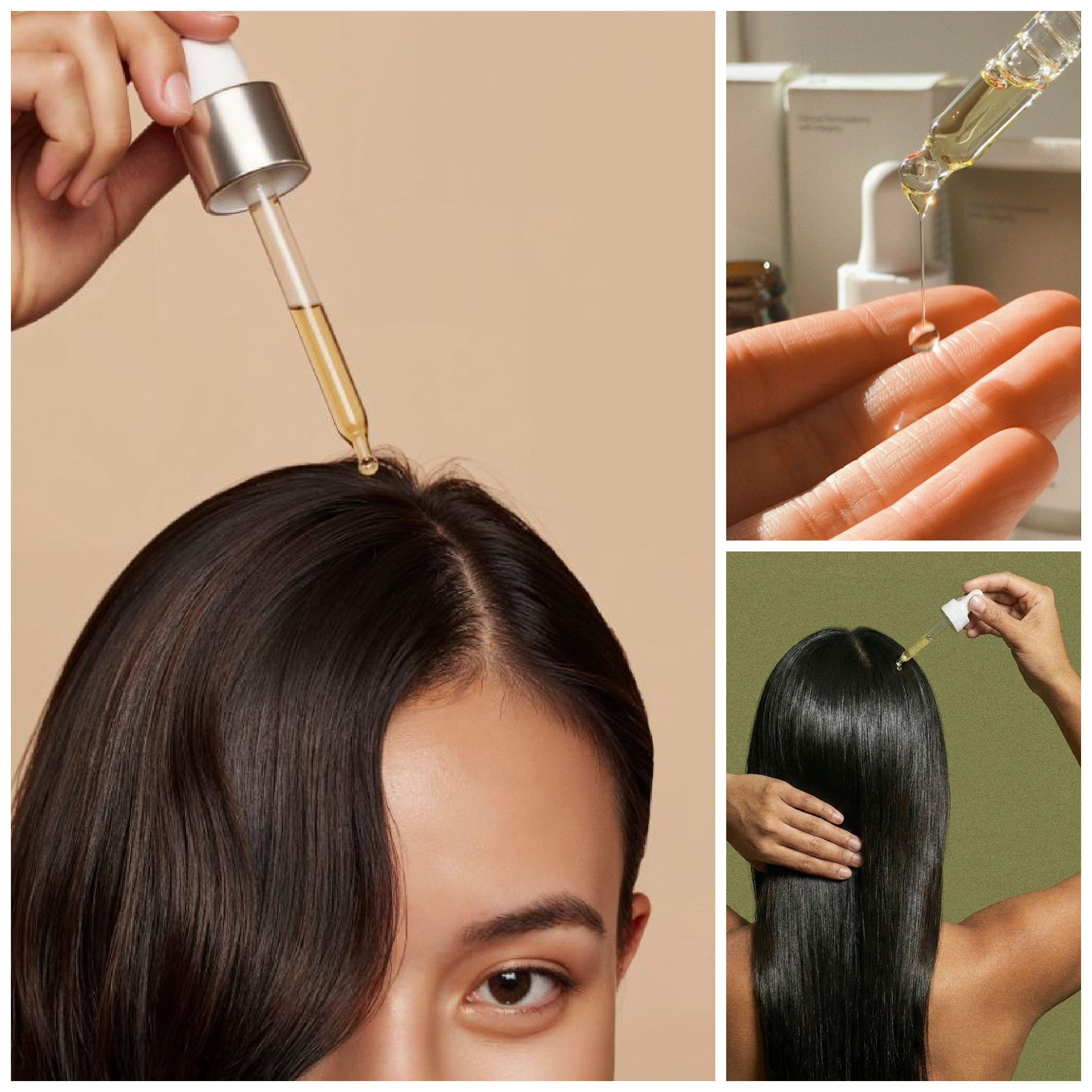
Some brands take a more integrated approach to hair loss treatment. The Traya Hair Actives Serum, for example, combines several of the clinically studied actives mentioned above — redensyl, anagain, and procapil — in a single formulation targeted at follicle-level intervention. What sets this apart from generic styling serums is the intent: addressing the biological reasons hair thins, not just the visual symptoms.
This reflects a broader shift in hair care thinking — moving away from surface-level fixes toward understanding what’s happening at the follicle.
Final Thoughts
A hair serum is only as good as what’s inside it and whether those ingredients match your actual concern. If you’re dealing with hair fall or thinning, look for actives that work on follicle biology — not just silicones that make hair look fuller temporarily. Reading the label with some understanding of what each ingredient does puts you in a far better position than trusting the packaging alone.
Hair health, at its core, responds to consistency and specificity. The right serum, used regularly and chosen for the right reasons, can genuinely support that.

xoxo


