Can Hair Growth Oil Help With Bald Spots and Thinning Edges?
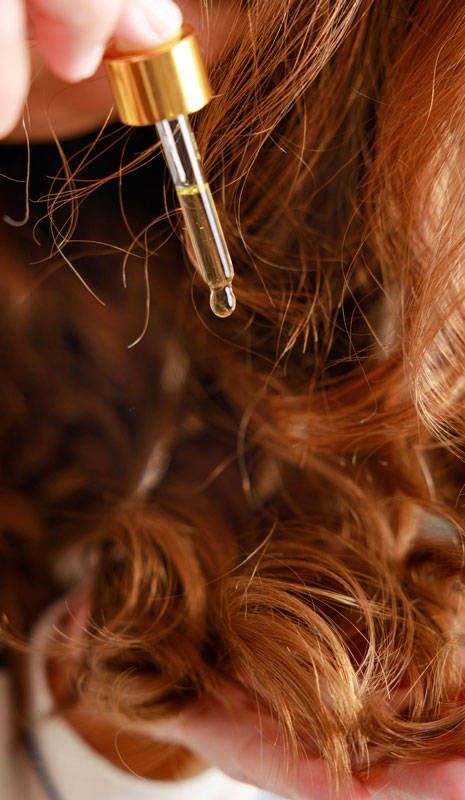
Bald spots and thinning edges rank among the most frustrating hair concerns people face, and they’ve got terrible timing. Whether you’re dealing with a patch near your temples, a receding hairline, or diffuse thinning across your crown, most people’s first question is straightforward: can a topical oil actually fix this? Hair growth oil has become a popular go-to answer. The real picture, though, is messier than product descriptions suggest. How these oils work, what they’re realistically capable of delivering, and the correct way to use them, that’s what actually separates wasted effort from genuine progress.
How Hair Growth Oils Work on Bald Spots and Thinning Areas
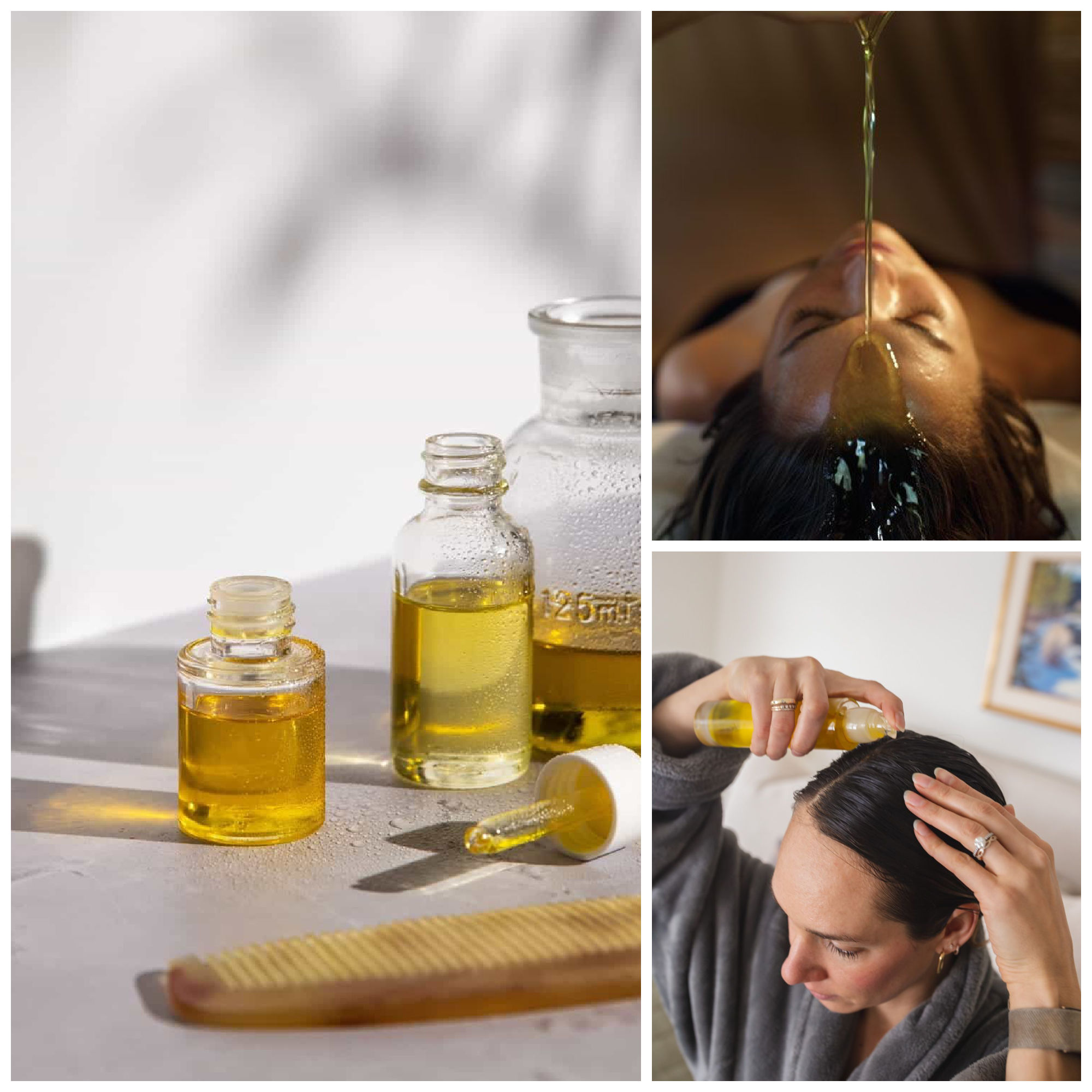
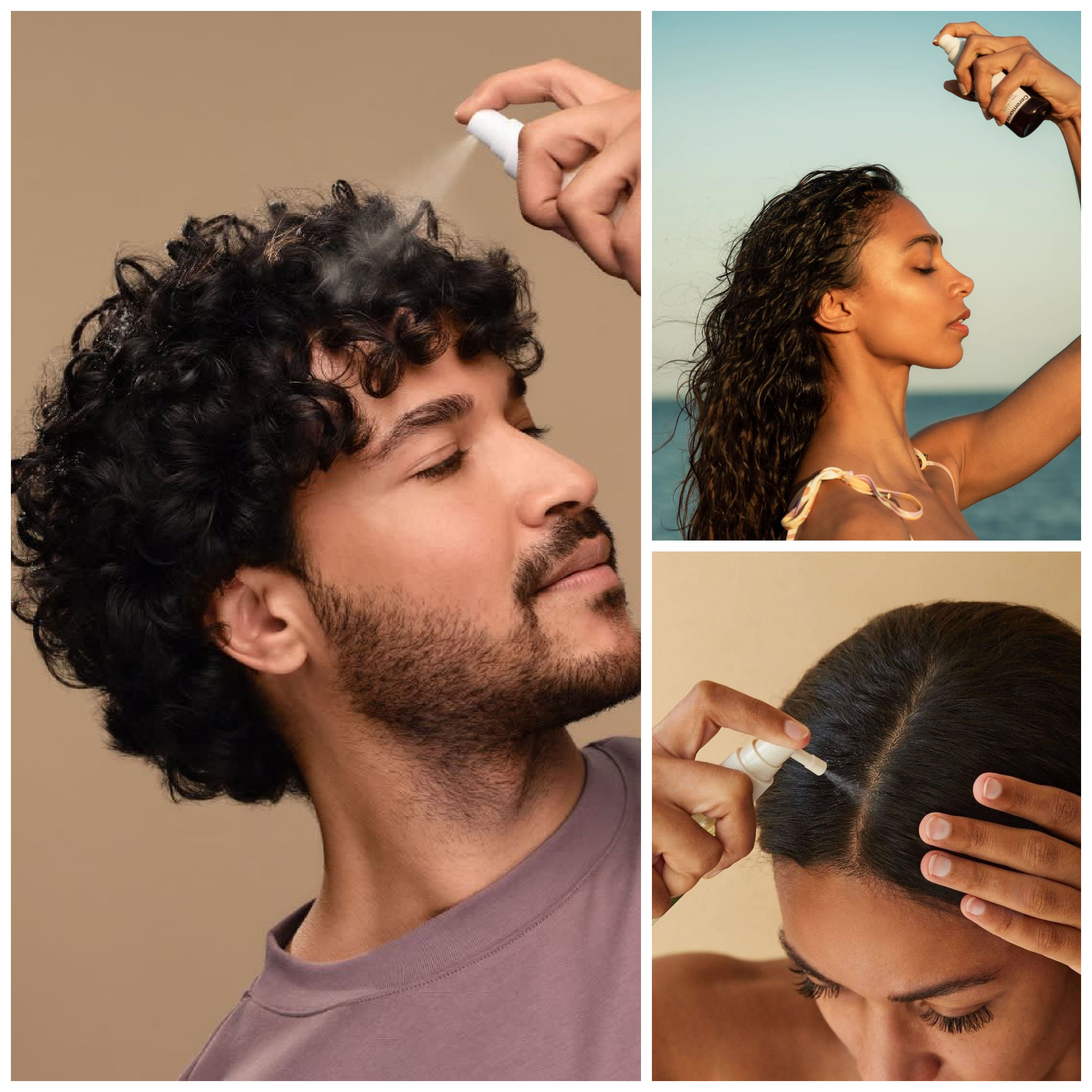
A healthy scalp plays a big role in hair regrowth, since that’s where new hair forms. One topical option people use to support it is a hair growth oil spray with biotin, applied directly to the scalp rather than to the lengths of the hair. It isn’t a cure for hair loss, but it can be one part of caring for the scalp environment where hair grows. Most topical hair oils work through two main pathways: they nourish the scalp and hair follicle directly, and they stimulate indirectly through improved blood circulation to the dermal papilla (that tiny structure at the base of each follicle controlling growth activity). Some oils also contain anti-inflammatory compounds that reduce scalp conditions like seborrheic dermatitis or follicle-clogging buildup, both of which impair follicle function over time. Whether any given oil works really depends on three things: which ingredients it contains, how well those ingredients penetrate the scalp, and whether the underlying cause of your hair loss is something topical products can actually treat.
The Role of Scalp Circulation in Hair Regrowth
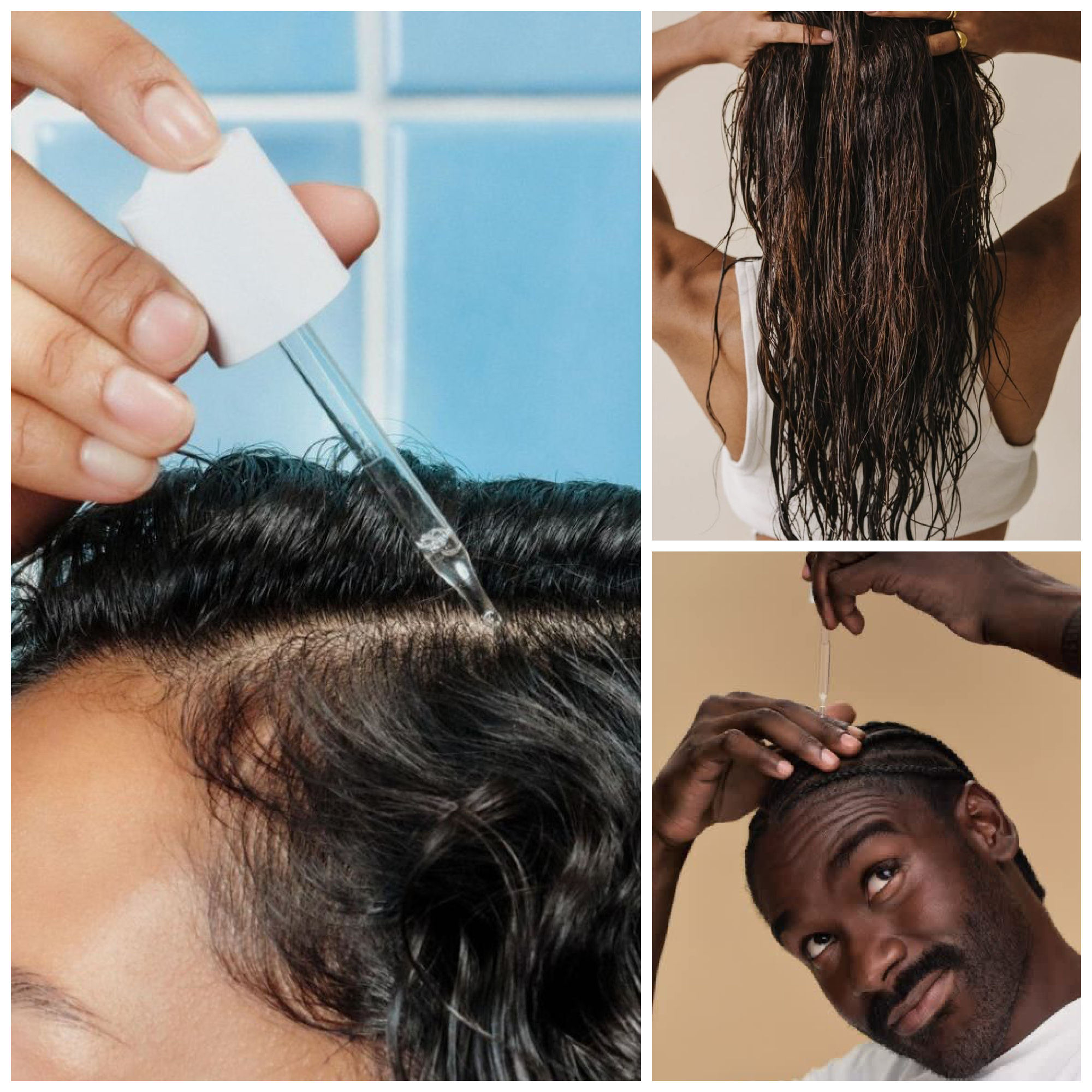
Your follicles receive oxygen and nutrients based on blood flow to the scalp. Weak circulation, common along the edges and crown, causes follicles to miniaturize over time. They produce finer, shorter hair. Eventually, they go dormant. Peppermint oil and rosemary oil have shown measurable effects on dermal blood flow. A 2014 study in Toxicological Research found peppermint oil produced significant hair growth in mice, with results comparable to minoxidil in follicle depth and proliferation measures. A 2023 clinical review in the Journal of Dermatological Treatment noted that rosemary oil performed similarly to 2% minoxidil for androgenetic alopecia in a 6-month trial. These findings aren’t isolated cases. Consistent topical application with gentle scalp massage can meaningfully increase microcirculation in thinning zones. Here’s the thing: the massage component matters as much as the oil itself. A 2016 study from Eplasty found that just four minutes of standardized scalp massage daily over 24 weeks increased hair thickness. This suggests mechanical stimulation activates follicle stretch receptors that trigger growth cycles, independent of whatever product you’re using.
Ingredients in Hair Growth Oils and Their Effectiveness
Hair growth oils aren’t created equal; the ingredient list is your only real measure of whether a product has a genuine shot at helping. Biotin in topical formulation supports keratin production at the follicle level, though most dermatologists note that topical biotin’s impact is weaker than oral supplementation for true biotin-deficiency cases. Castor oil contains ricinoleic acid, a fatty acid with documented anti-inflammatory properties that may reduce the prostaglandin activity linked to androgenetic hair loss. Pumpkin seed oil showed direct 5-alpha reductase inhibition in a 2014 randomized controlled trial published in Evidence-Based Complementary and Alternative Medicine; this means it may help slow DHT-driven hair loss in men. Argan oil and jojoba oil work primarily as carrier oils that improve barrier function and reduce scalp inflammation without adding weight to the hair shaft. Caffeine, increasingly present in topical formulas, has demonstrated follicle-stimulating effects by blocking DHT at the receptor level in in-vitro studies. Understanding which ingredients target your specific hair loss type, whether hormonal, stress-related, or nutritional, helps you choose useful products over expensive bottles gathering dust on a shelf.
Realistic Results: What Hair Growth Oil Can and Cannot Do
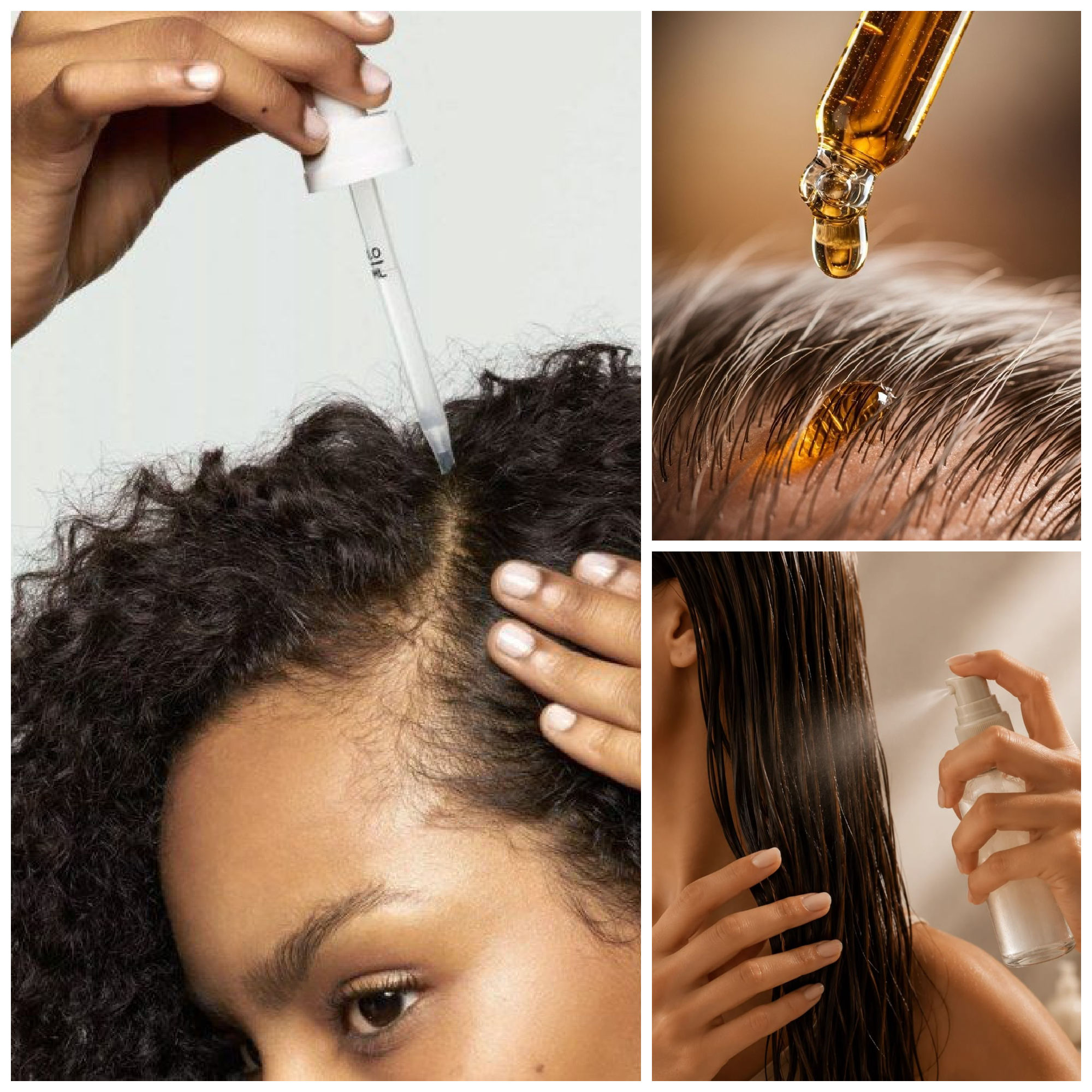
Hair growth oil can improve scalp conditions. It can stimulate dormant follicles in early-stage thinning. It may slow progressive hair loss in many cases. But it can’t reverse severe or long-standing follicle damage, and it won’t outperform medical treatments for alopecia areata or advanced androgenetic alopecia. The real question, whether hair growth oil can help with bald spots and thinning edges, comes down to the stage and cause of your hair loss. Early intervention, before visible follicle atrophy happens, produces far better outcomes than starting a topical oil regimen after years of neglect.
Timeline for Seeing Improvement in Thinning Edges
Patience isn’t optional with any hair growth product, and most people bail too early. Hair grows at roughly half an inch per month on average. The follicle activation phase alone takes six to eight weeks before new vellus hairs become visible. Thinning edges, which often involve partially dormant follicles rather than fully dead ones, can show early signs of improvement within eight to twelve weeks of consistent application. Full, noticeable regrowth in previously bare patches takes closer to four to six months. A 2021 study in the International Journal of Trichology found that most participants using plant-based topical oils showed measurable hair density improvements between weeks ten and sixteen, with continued gains up to week twenty-four. Daily application is critical. Skipping days disrupts the follicle stimulation cycle, especially for ingredients like caffeine and rosemary oil that depend on consistent topical concentration at the scalp. Set a realistic expectation: give it three months before you assess whether a product’s working, and document progress with consistent photographs taken in identical lighting. You’ll notice density changes that aren’t obvious day to day when you compare images.
Limitations of Hair Oil for Advanced Hair Loss
There’s a clear ceiling to what topical oil can accomplish. Follicles dormant for more than three to five years, areas of complete baldness with visible scalp, are unlikely to respond to any topical treatment, oil-based or otherwise. Scar tissue from conditions like frontal fibrosing alopecia or central centrifugal cicatricial alopecia physically blocks new follicle growth and needs medical intervention, not oils. Advanced androgenetic alopecia, such as Norwood scale types V through VII in men and Ludwig scale type III in women, generally needs prescription-strength minoxidil, finasteride, or laser therapy for meaningful reversal. Hair growth oil works best as a preventive and early-stage treatment. And if you’ve noticed rapid shedding, scalp pain, or sudden patchy loss, those are signs to see a dermatologist before spending money on topical products. A scalp biopsy or trichoscopy can identify whether your follicles are still viable; this is the most direct way to determine whether topical oils are worth pursuing for your specific pattern.
Application Guidelines for Hair Growth Oil on Problem Areas
Getting real results from a hair growth oil depends as much on how you apply it as what’s inside the bottle. Inconsistent application, wrong placement, or product overuse can undermine results even with a well-formulated product. Two areas consistently make the most difference: technique at the scalp level and broader hair care habits that support the scalp environment between applications.
Application Techniques for Maximum Penetration
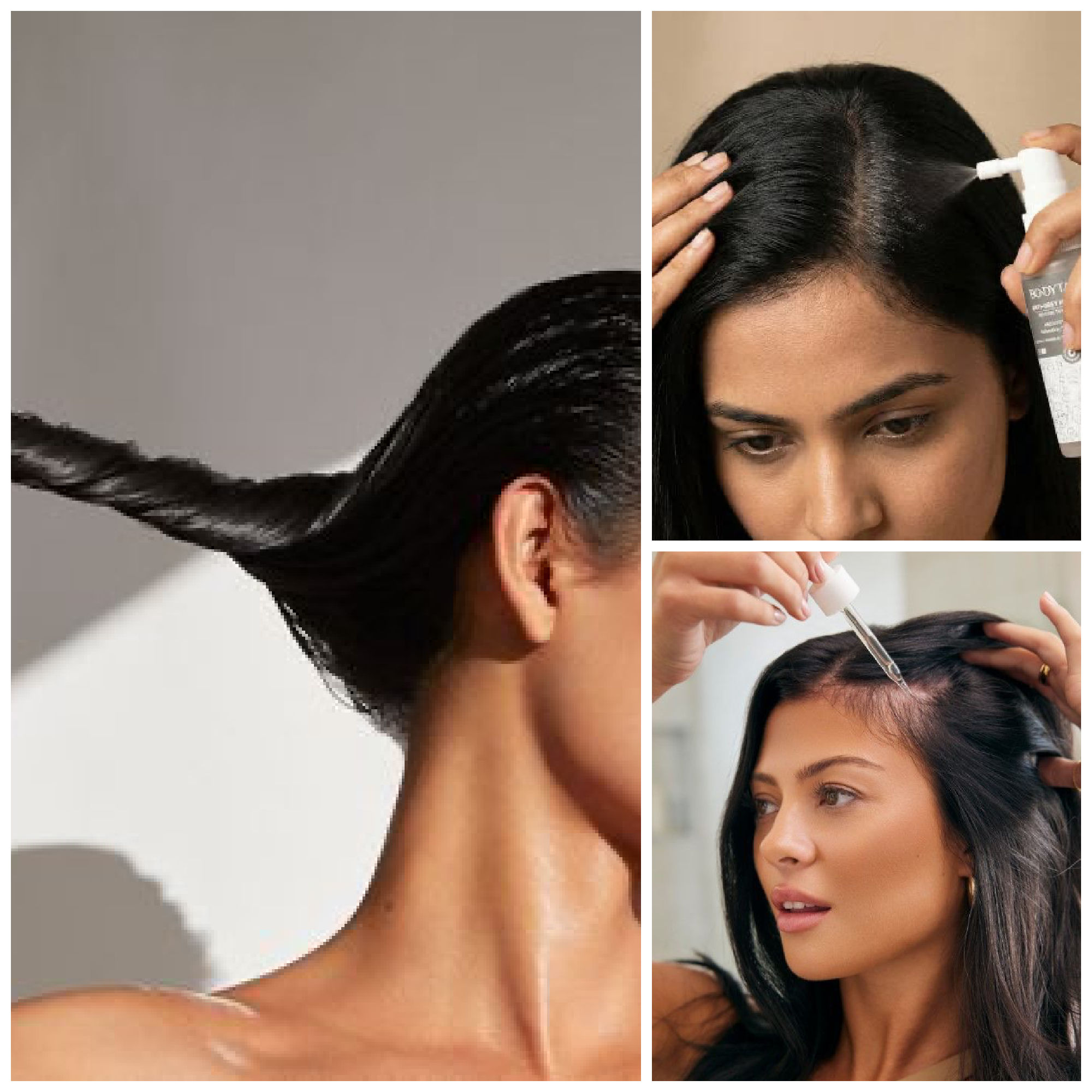
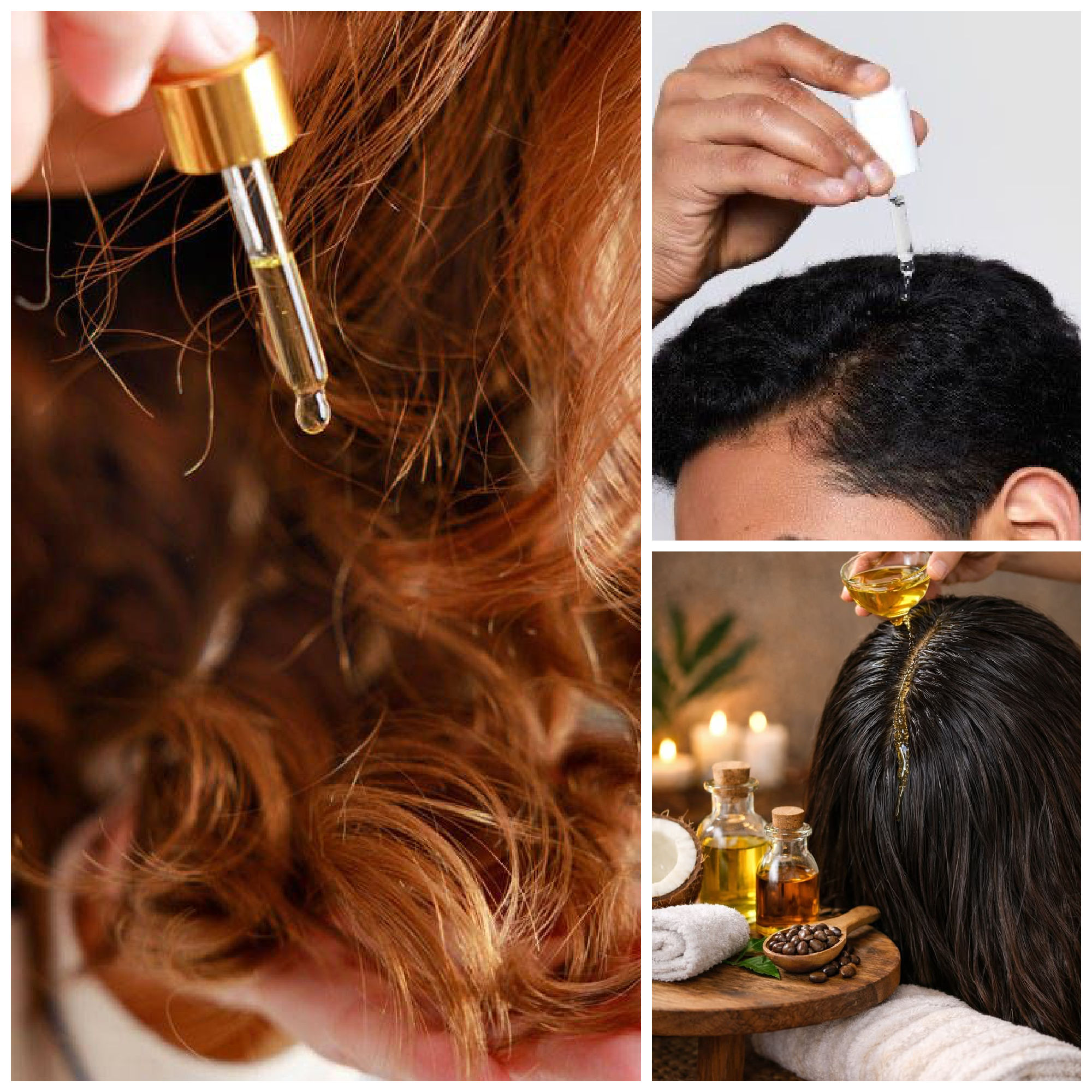
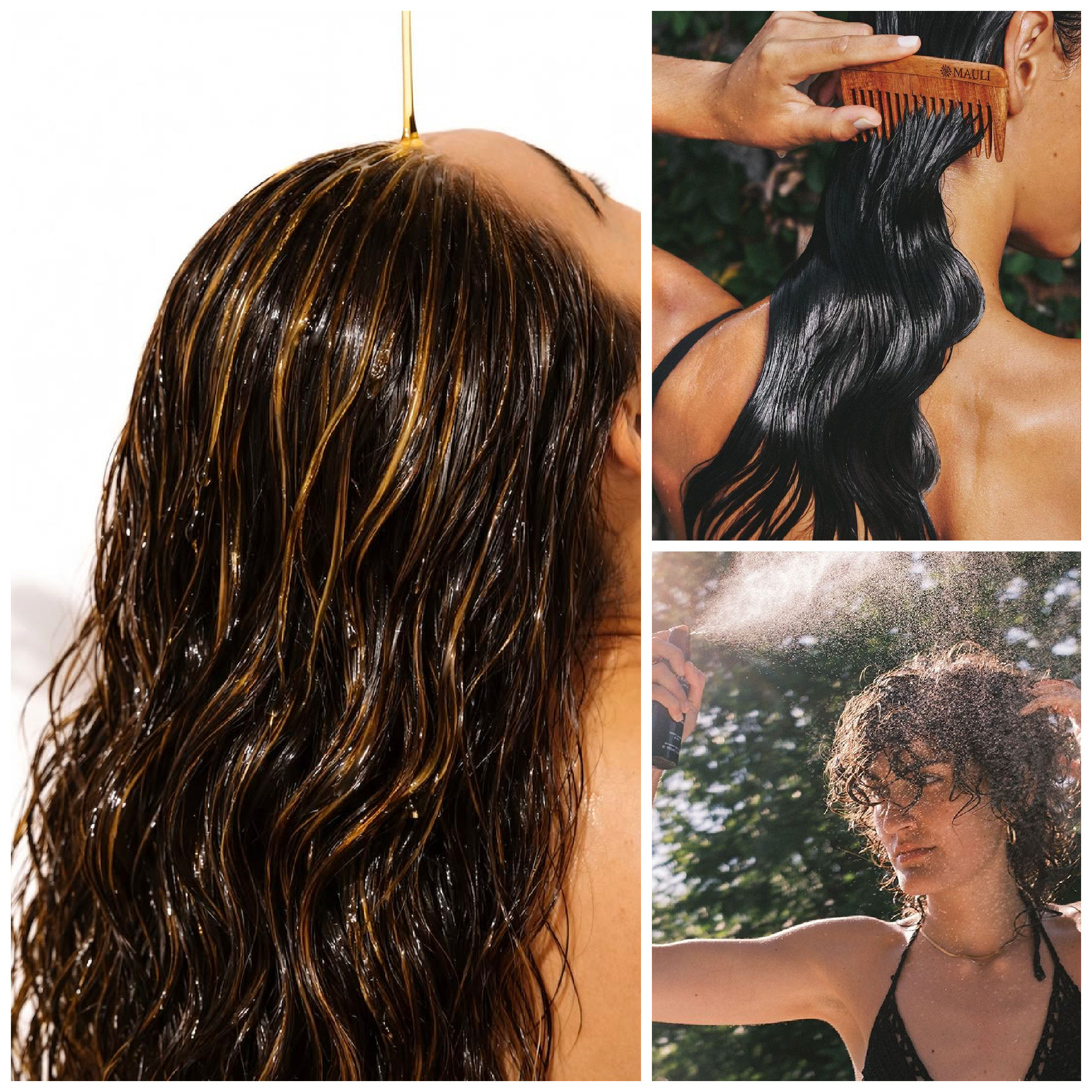
The goal is direct scalp contact, not coating the hair shaft. Part your hair along the thinning area and apply oil drops or spray directly to the exposed scalp, not on top of the hair. Massage in small circular motions for at least three to four minutes using your fingertips; start at the edges and move toward the crown. This motion increases local blood flow and helps move the oil into the follicular opening. Apply to a clean, slightly damp scalp rather than dry or product-coated skin; residue buildup creates a physical barrier between the oil and the follicle. Night application is generally more effective than morning application because the scalp’s absorptive capacity increases during sleep, there’s no competing sweat, UV exposure, or styling product contact. Use only enough product to cover the target area without pooling; excess oil sits on the surface rather than penetrating and can attract dirt. Consistency over weeks matters far more than any single heavy application session.
Combining Hair Oil With Other Hair Care Strategies
Hair growth oil performs better as part of a broader approach than as a standalone fix; a gentle sulfate-free shampoo used two to three times per week keeps the scalp clean without stripping the natural sebum that follicles need. Nutritional support matters too. Iron deficiency, low ferritin levels, and inadequate protein intake all cause telogen effluvium, a shedding pattern that oils can’t address on their own. Reducing heat styling and tight hairstyles in thinning edge areas removes traction stress that directly damages follicle attachment. If your hair loss has a stress or hormonal component, scalp oil can support the recovery process; it won’t substitute for addressing the root cause, though. FDA-cleared laser therapy devices, such as laser combs or caps, can be combined with topical oils for improved follicle stimulation. Think of the oil as one layer of a consistent routine rather than the entire solution; your results will reflect that approach.
Conclusion
Hair growth oil can help with bald spots and thinning edges, but only under the right conditions and with realistic expectations. It works best for early-stage thinning, partially dormant follicles, and scalp environments that need circulation support or inflammation control. Advanced or scarred hair loss requires medical intervention beyond what any topical product can provide. Choosing an oil with evidence-backed ingredients, applying it directly to the scalp with consistent technique, and pairing it with good nutrition and gentle hair care habits gives you the best shot at visible improvement over three to six months.
xoxo


