The Final Touch of Self-Care: Designing Restrooms Worthy of a Luxury Spa
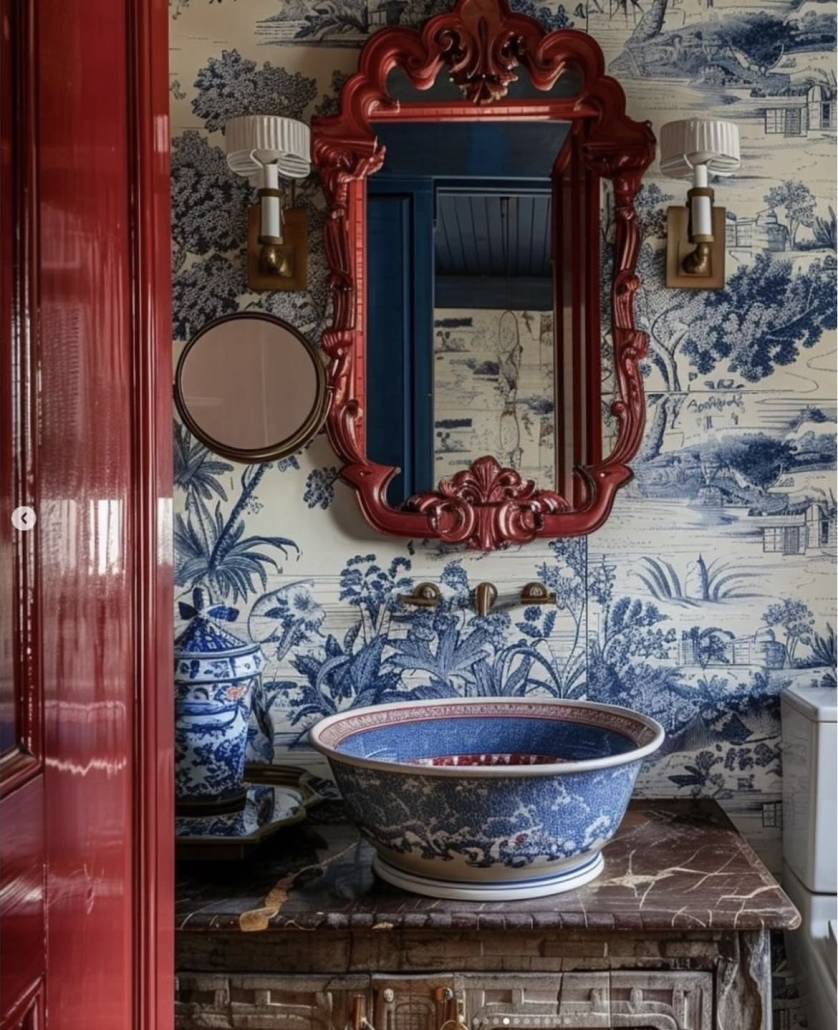
A relaxing spa visit involves more than a massage or facial. Soft lighting, natural textures, quiet surroundings, and clean, comfortable facilities all help shape the experience. Even the restroom contributes to how guests perceive a business. If the space feels neglected or looks out of place, it can undermine the care put into the rest of the property.
Bringing spa-inspired design into a restroom does not require lavish decorations or expensive materials everywhere. Often, the difference comes down to a few considered choices that balance appearance, comfort, and everyday use.
What Gives a Luxury Spa Its Signature Atmosphere?
Natural Colors and Textures
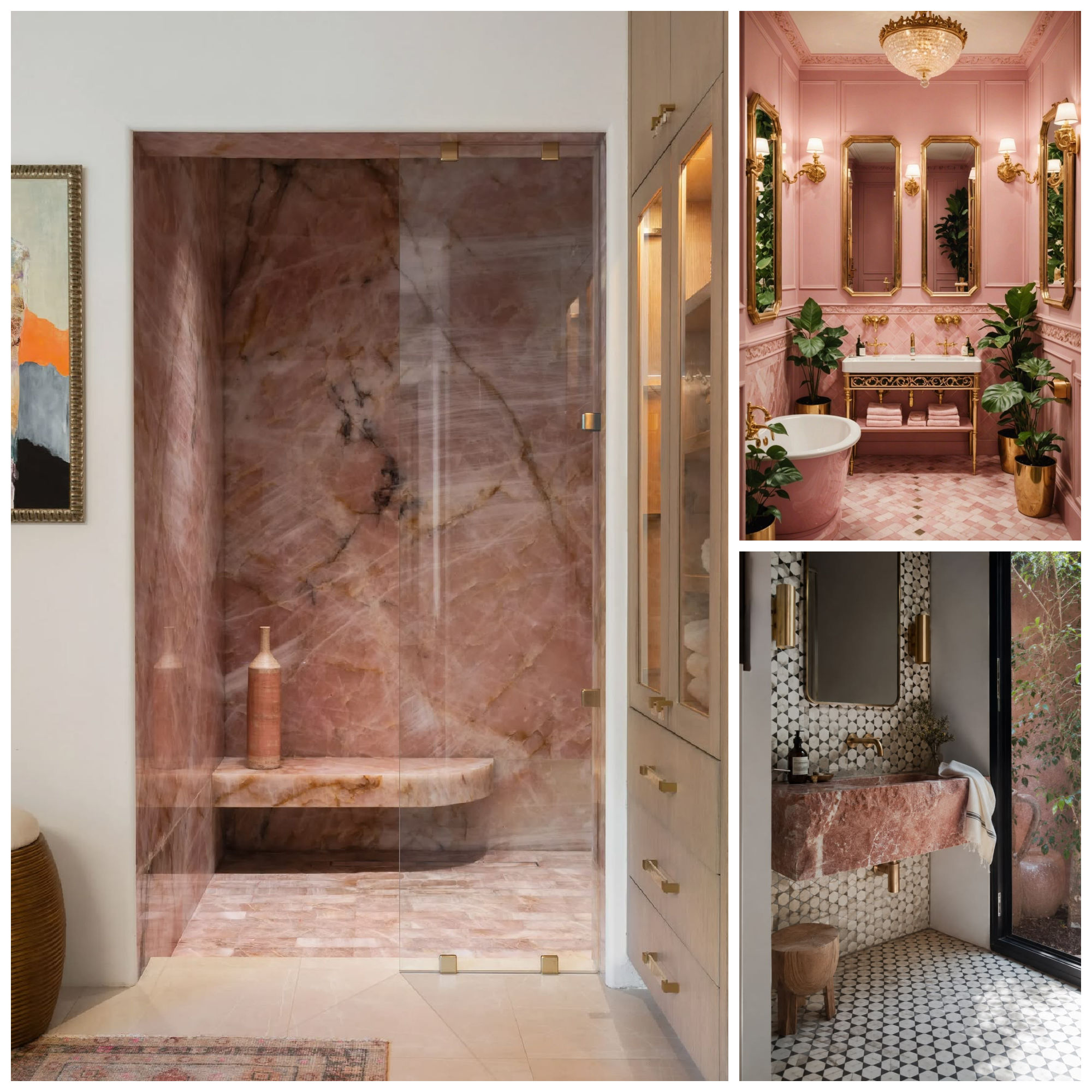
Many luxury spas draw inspiration from nature. Warm whites, sandy neutrals, muted greens, stone surfaces, and wood accents create a softer alternative to stark, clinical interiors. Textured finishes add character without making the room feel busy.
The same palette works well in commercial restrooms, especially when it complements the building’s broader interior. A wood-look finish might add warmth to a modern space, while stone-inspired surfaces can give a hotel restroom a more polished appearance. The best choices also withstand moisture, regular cleaning, and heavy use.
Lighting That Feels Comfortable
Lighting can change a room’s character without altering its layout. Bright, uneven fixtures can make a restroom feel harsh, while well-placed lights around mirrors and vanities create a more balanced look.
Warm lighting can soften the interior, but practicality still matters. Visitors need clear visibility at mirrors and around fixtures, and cleaning staff need enough light to spot areas that need attention. The aim is a comfortable space, not one that feels dim or difficult to use.
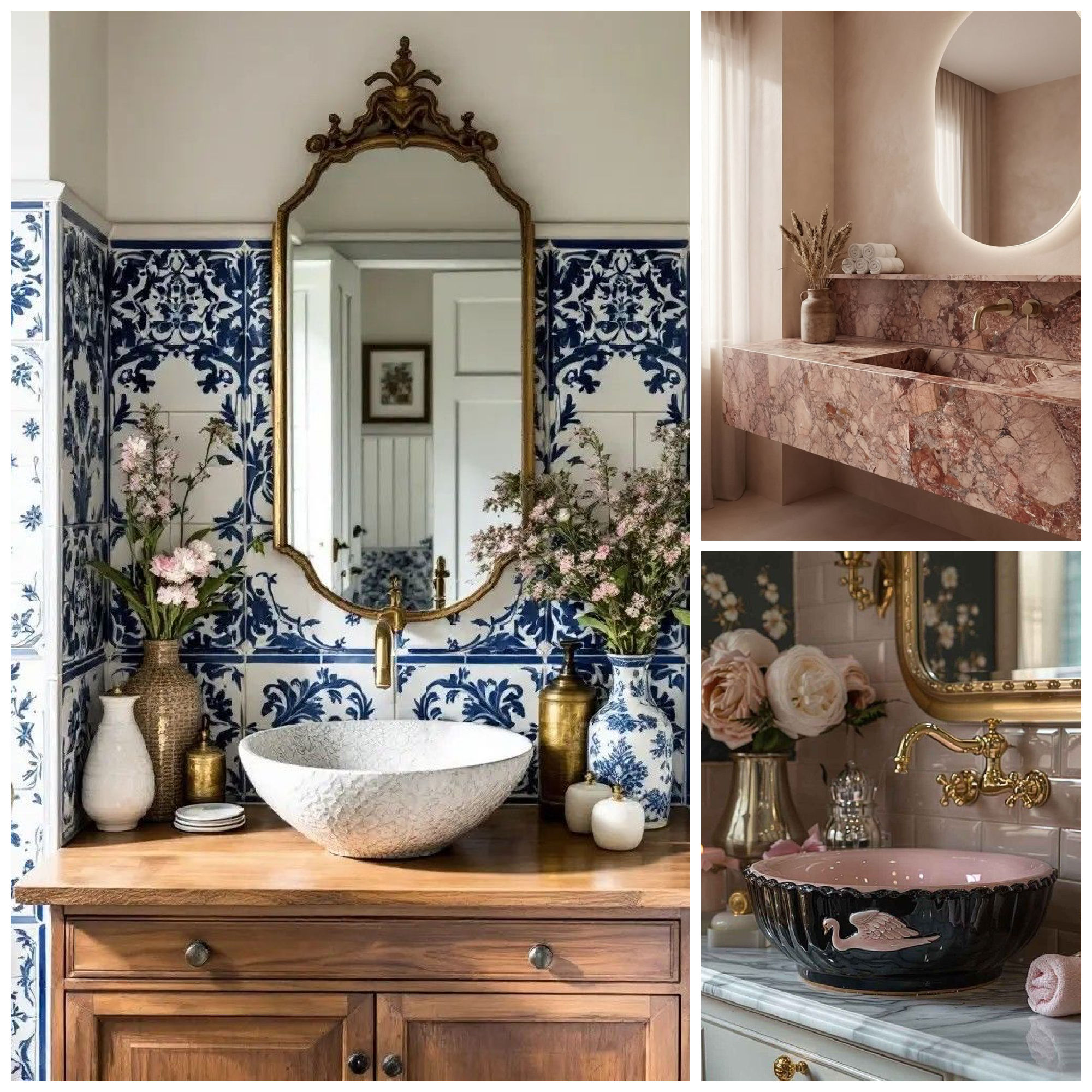
Bringing Spa-Inspired Design Into Commercial Restrooms
Ideas from luxury spas aren’t limited to treatment rooms. Hotels, wellness studios, beauty salons, and other hospitality businesses can use similar principles to make shared facilities feel more refined.
California has helped shape the wider wellness industry, with coastal retreats, destination spas, and urban wellness studios offering different approaches to relaxation. Across these settings, interiors often combine natural textures, restrained colors, and practical layouts to create a consistent guest experience.
The same design principles are relevant in Miami, where luxury hotels and resorts place a strong emphasis on the guest experience. In commercial restrooms, details such as partition colors, finishes, and hardware can help tie the space together. Working with toilet partition vendors in Miami helps businesses find options that suit the interior while delivering the privacy and durability a busy facility needs. Rather than looking purely functional, partitions can complement the surrounding design without compromising everyday performance.
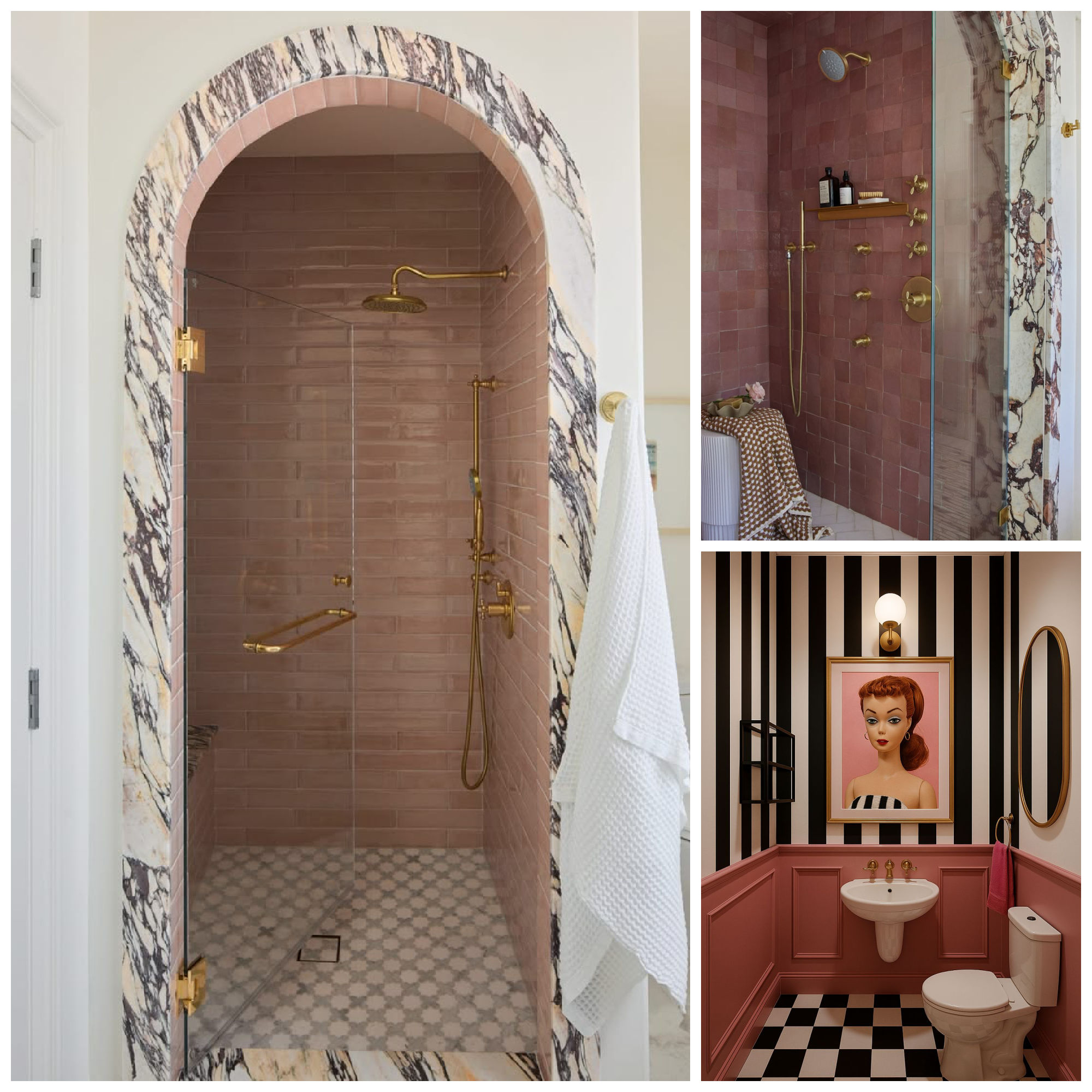
Choosing Materials That Look Good and Last
Beyond occasional use, a stylish restroom must withstand frequent use. People use water and cleaning solutions on countertops; floors see constant foot traffic; and hardware is used many times each day. Visually appealing materials that are hard to maintain can quickly become frustrating.
For this reason, use durability to guide your design as much as possible from the start. Easy-to-clean surfaces, water-resistant finishes, and strong hardware will help the room maintain its look for long periods. Apply the same rules when choosing partitions: the colors and finishes should match the room’s decor, but you must also consider how well they will hold up under heavy use in a busy environment.
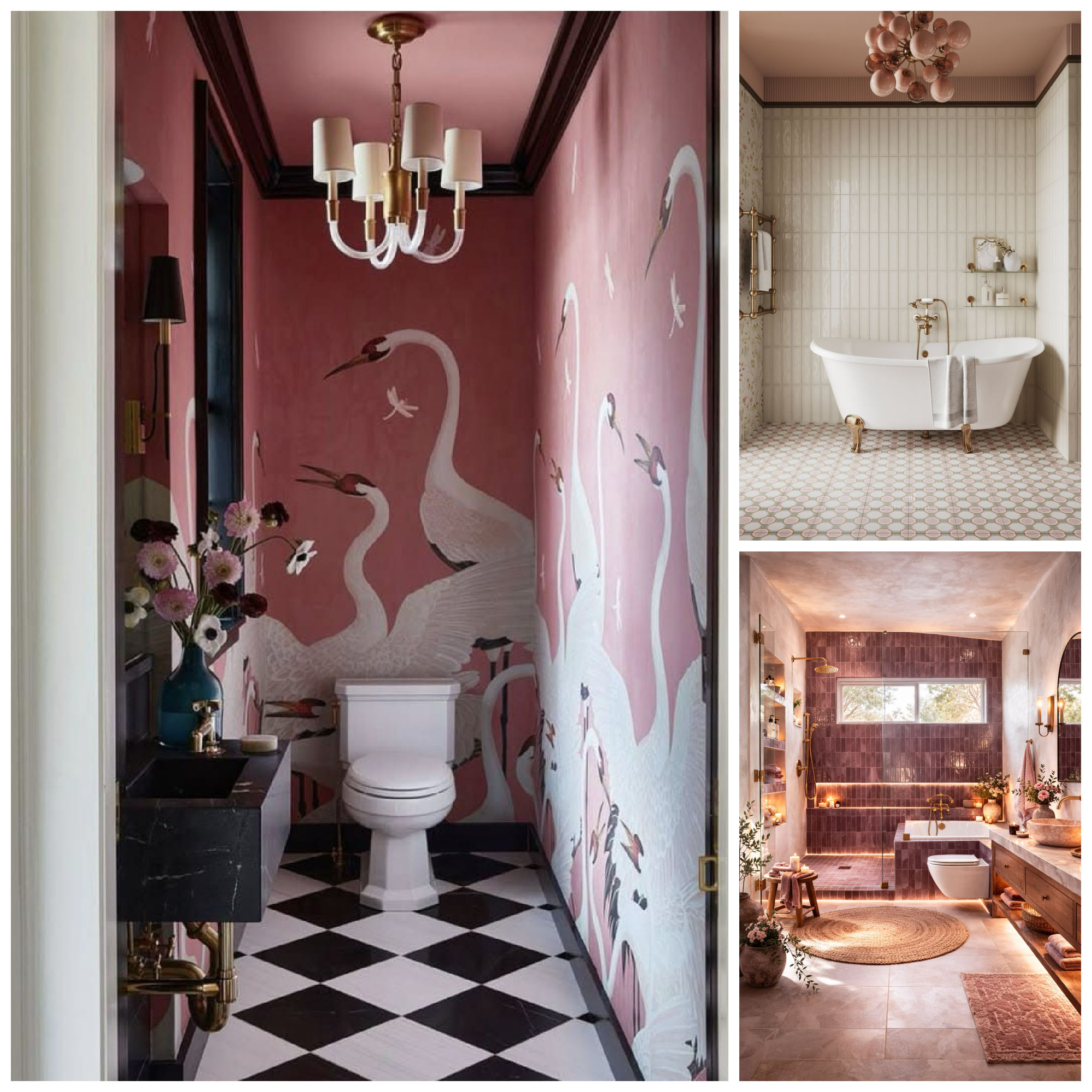
Privacy, Comfort, and Accessibility Come First
Appearance cannot make up for a restroom that feels cramped or offers little privacy. Stalls should be appropriately sized, doors and latches should work properly, and the layout should allow visitors to move around without unnecessary obstacles.
Also consider accessibility before finalizing materials and finishes. The ADA Standards for Accessible Design outline requirements for accessible facilities, including toilet rooms and compartments. Incorporating these requirements early helps create a practical, welcoming space for a wider range of users.
The Details That Complete the Space
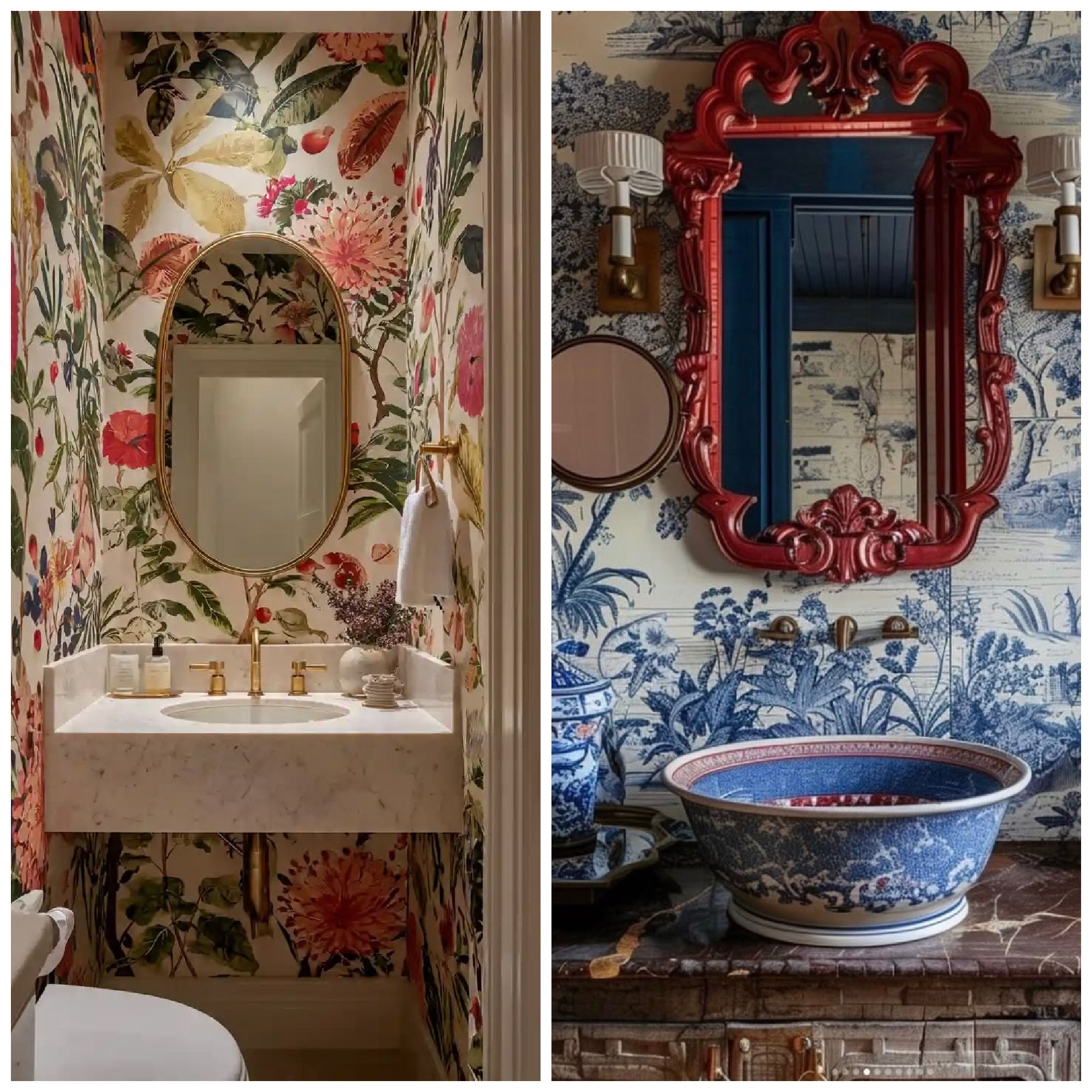
Often, the simplest details make a restroom feel well maintained. Clear mirrors, clean fixtures, stocked dispensers, and uncluttered counters give the room a cared-for appearance. Decorative elements can add personality, but they should not get in the way of cleaning or daily use.
Luxury spa interiors can inspire how these details work together. The Spa at The Miami Beach EDITION, for example, provides a reference point for wellness design within a high-end hospitality setting. Its project overview shows how the overall environment can support the experience a property wants to offer.
Conclusion
A spa-inspired restroom does not need to imitate a luxury resort. The goal is not marble everywhere or rainfall showerheads, but a sense of calm that users notice the moment they walk in. Natural colors, well-chosen finishes, balanced lighting, and thoughtfully designed partitions can make a shared facility feel more considered, even in a busy office, school, or public building.
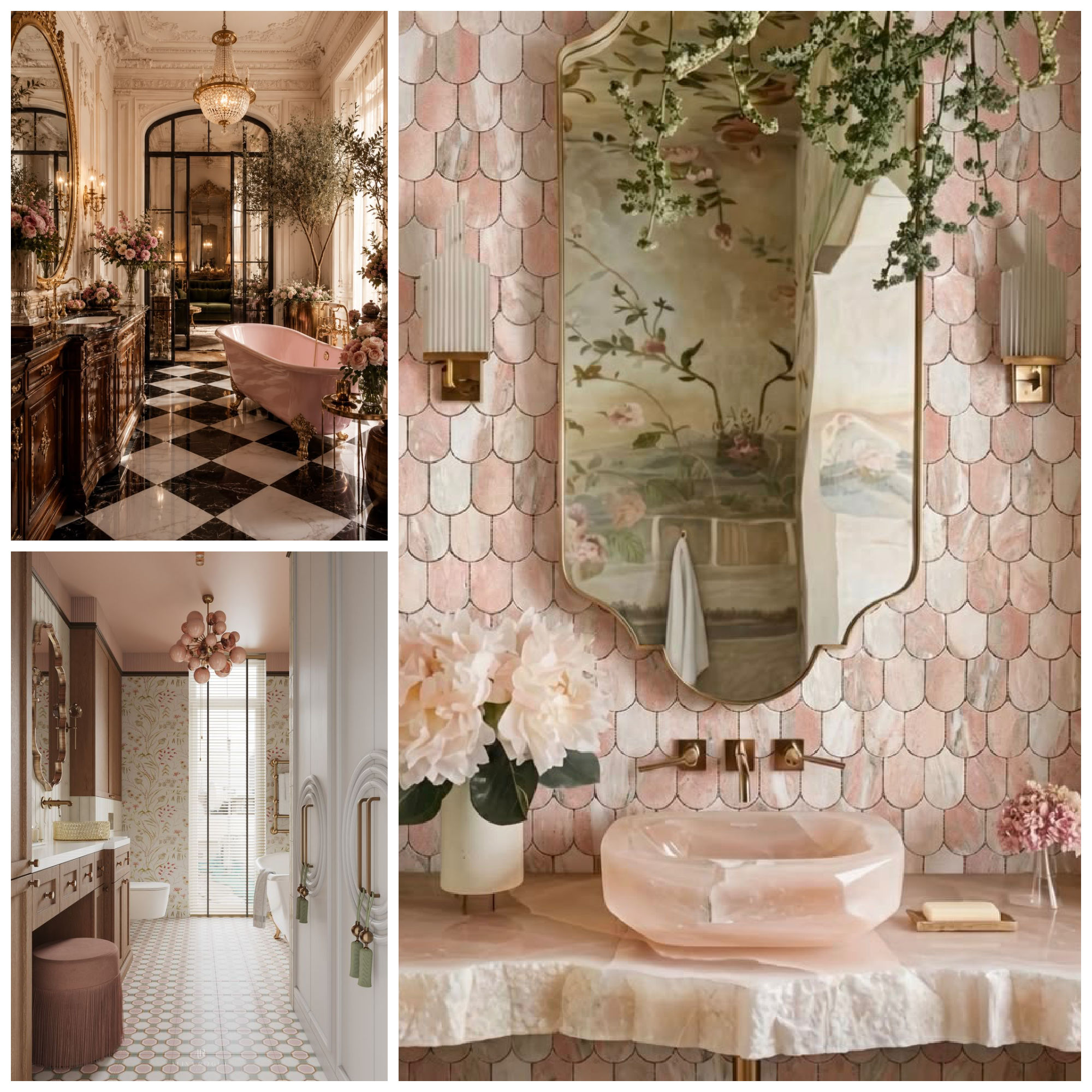
Each element plays its part. Soft, earthy tones and textured materials like wood-look laminates or stone-inspired surfaces bring warmth to a space that is often purely functional. Layered, glare-free lighting makes the room more comfortable and flattering. Partitions with minimal gaps, sturdy hardware, and quiet-closing doors give people the privacy and ease that define a pleasant experience.
xoxo


