How Do Designers Create Calm and Comfort in Luxury Spaces?
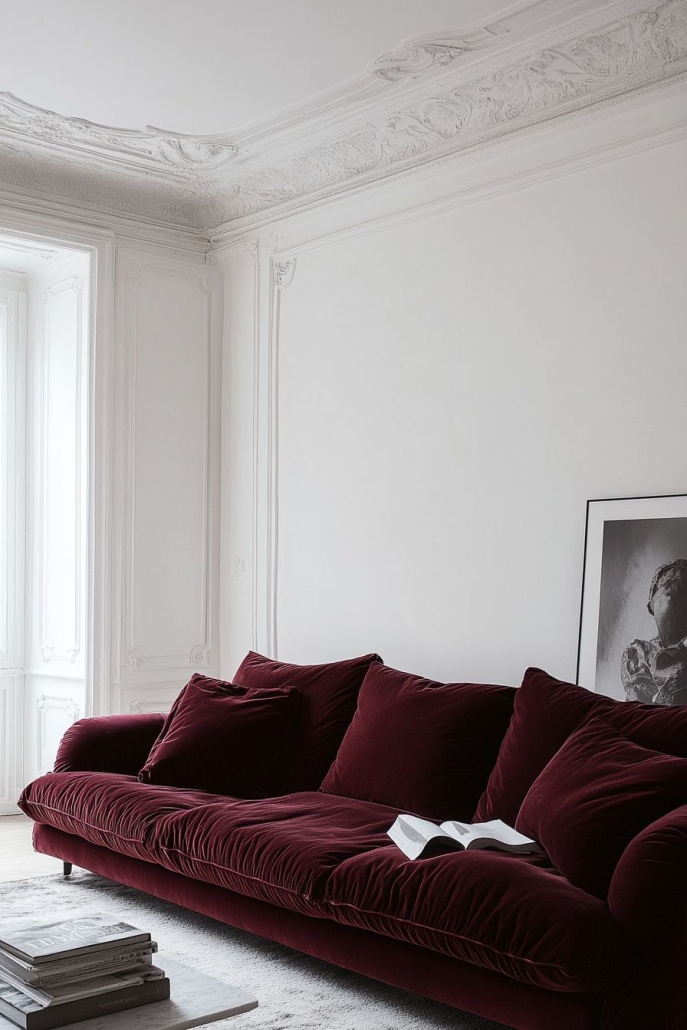
Luxury design is no longer just about impressive visuals or expensive materials. In 2026, it’s increasingly defined by how space feels. Calmness and comfort have become essential elements, especially as people look for homes that offer relief from busy, fast-paced lifestyles.
Designers are now focusing on creating environments that feel peaceful, balanced, and easy to live in. It’s not about adding more. It’s about choosing the right elements and bringing them together in a thoughtful way.
1. Thoughtful Use of Space
One of the first things designers consider is how a space flows. Luxury interiors are rarely overcrowded. Instead, they feel open and intentional.
Furniture is arranged to allow movement and breathing room. Negative space, or empty space, is used deliberately to create a sense of calm. Rooms are designed so that nothing feels forced or overwhelming.
This approach helps the mind relax. When a space feels balanced, it naturally becomes more comfortable to spend time in.
2. Soft and Natural Color Palettes
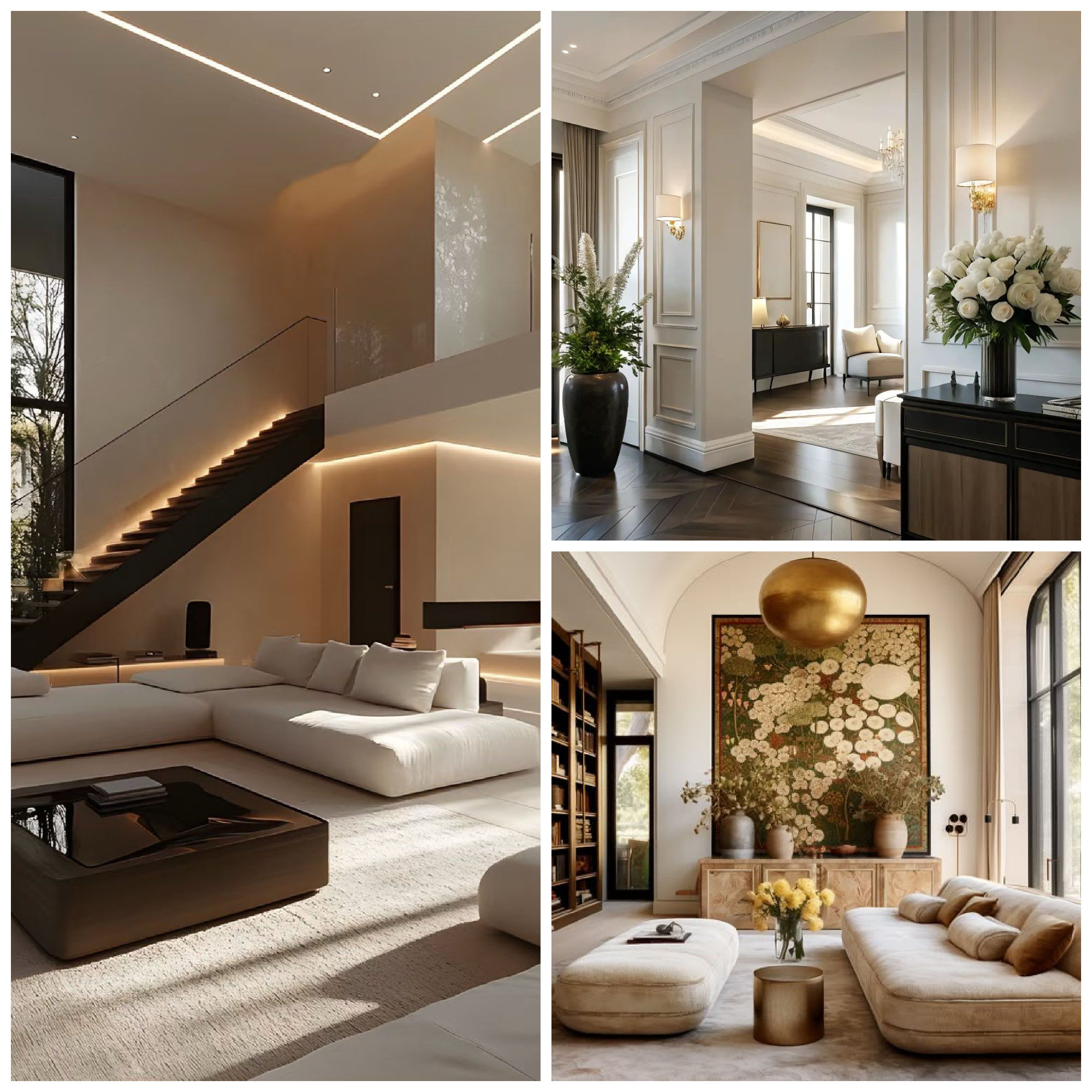
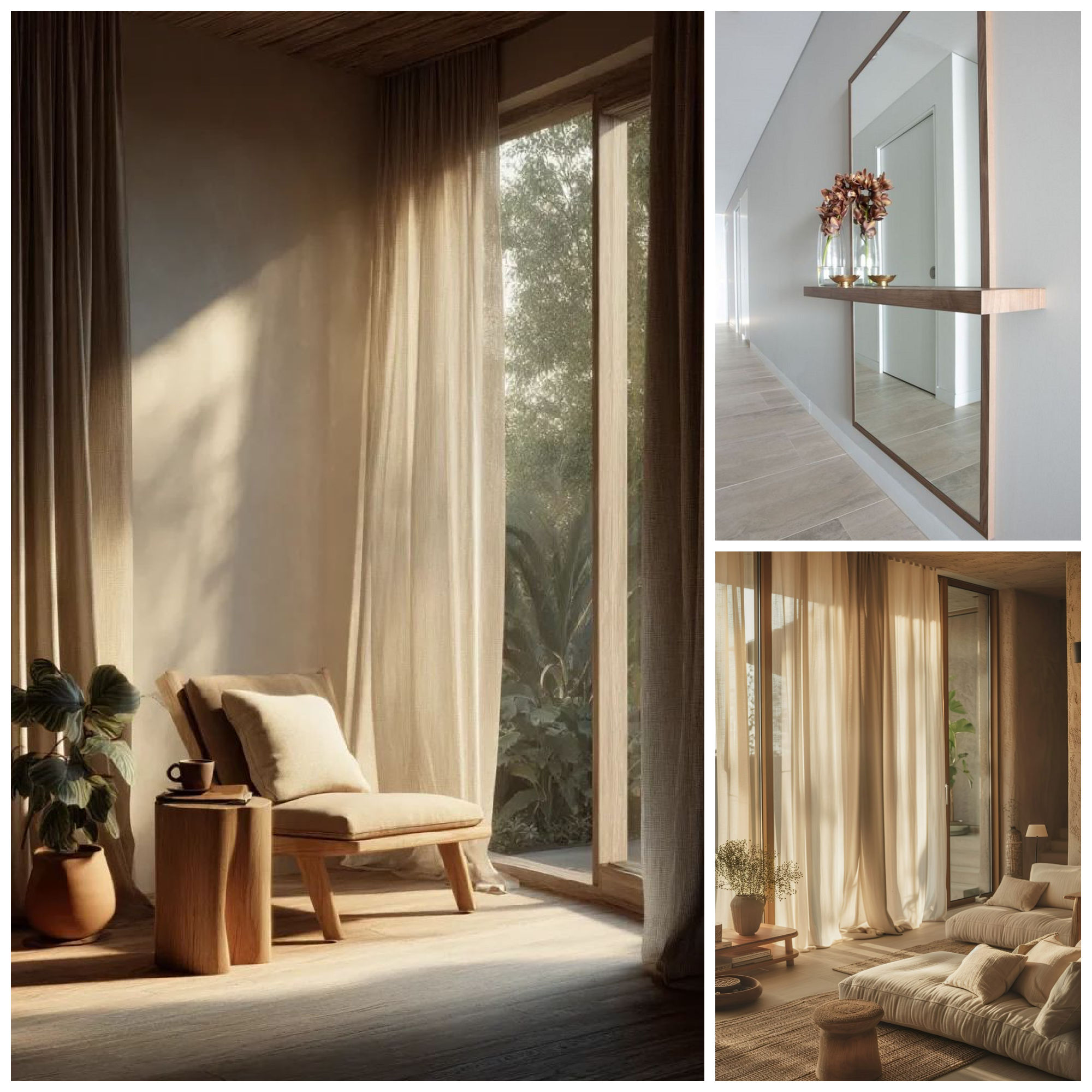
Color plays a huge role in setting the mood. Designers often lean toward soft, neutral tones to create a calming atmosphere.
Shades like warm beige, off-white, soft gray, and muted greens are commonly used. These colors don’t demand attention, which allows the space to feel more peaceful.
Instead of bold contrasts, the focus is on subtle layering. Different tones blend together smoothly, creating depth without visual noise.
3. High-Quality, Comfortable Materials
Luxury is often associated with quality, and that shows in the materials used.
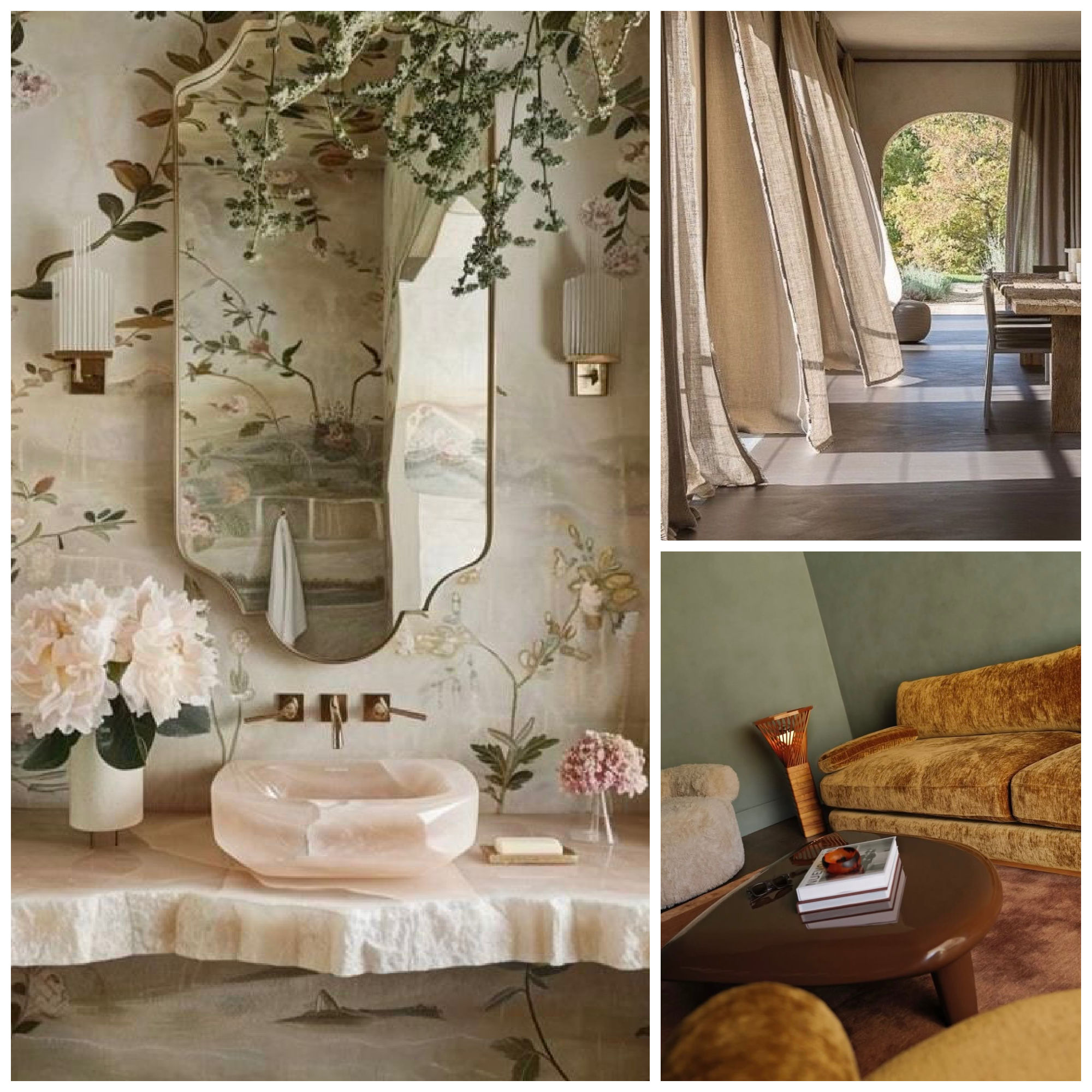
Designers choose fabrics and finishes that feel good to the touch. Soft linens, natural wood, stone, and textured fabrics all contribute to comfort. These materials add warmth and make the space feel inviting rather than cold or overly polished.
Comfortable seating is also key. Sofas, chairs, and beds are selected not just for appearance but for how they support relaxation.
4. Lighting That Adapts to the Mood
Lighting is one of the most powerful tools in creating a calm environment.
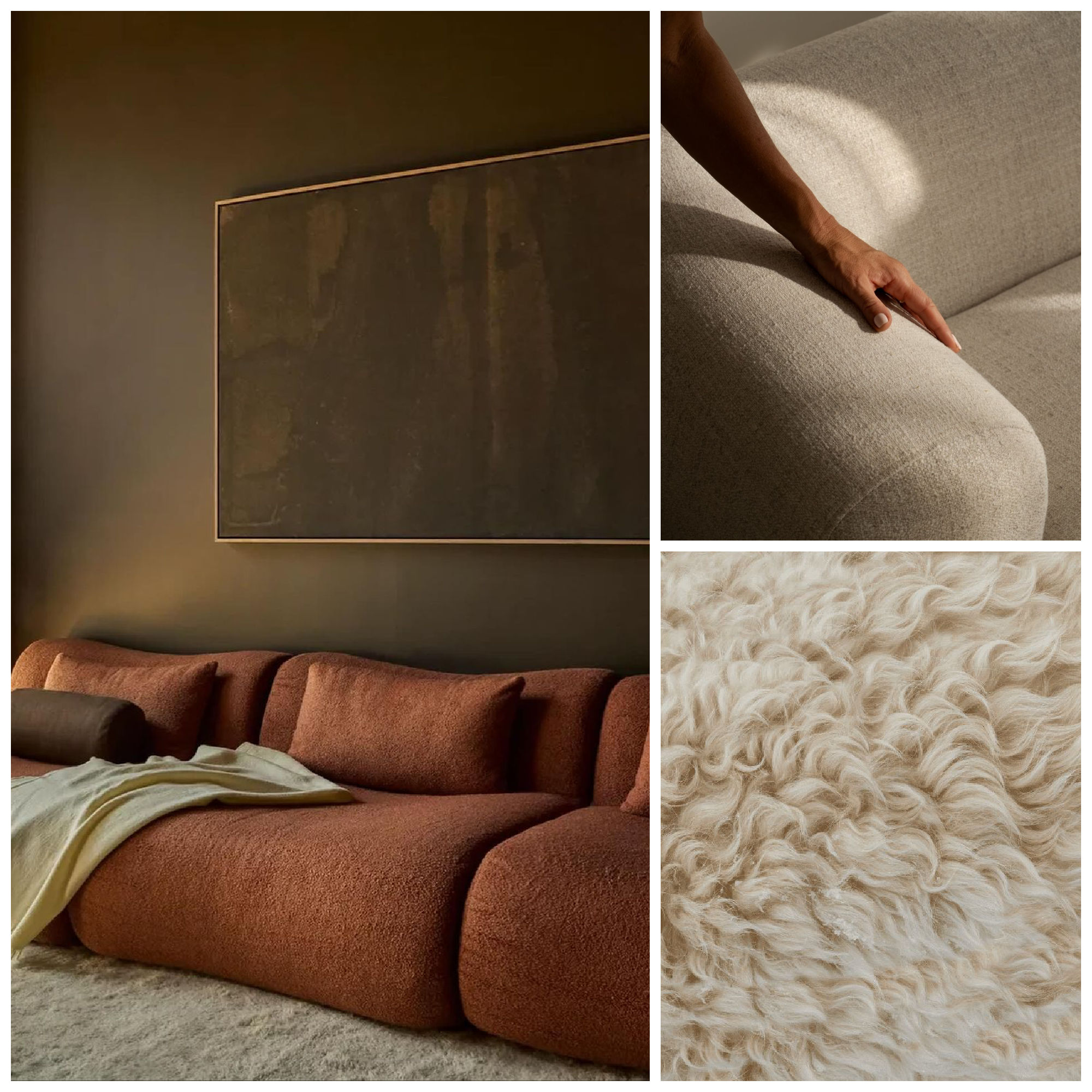
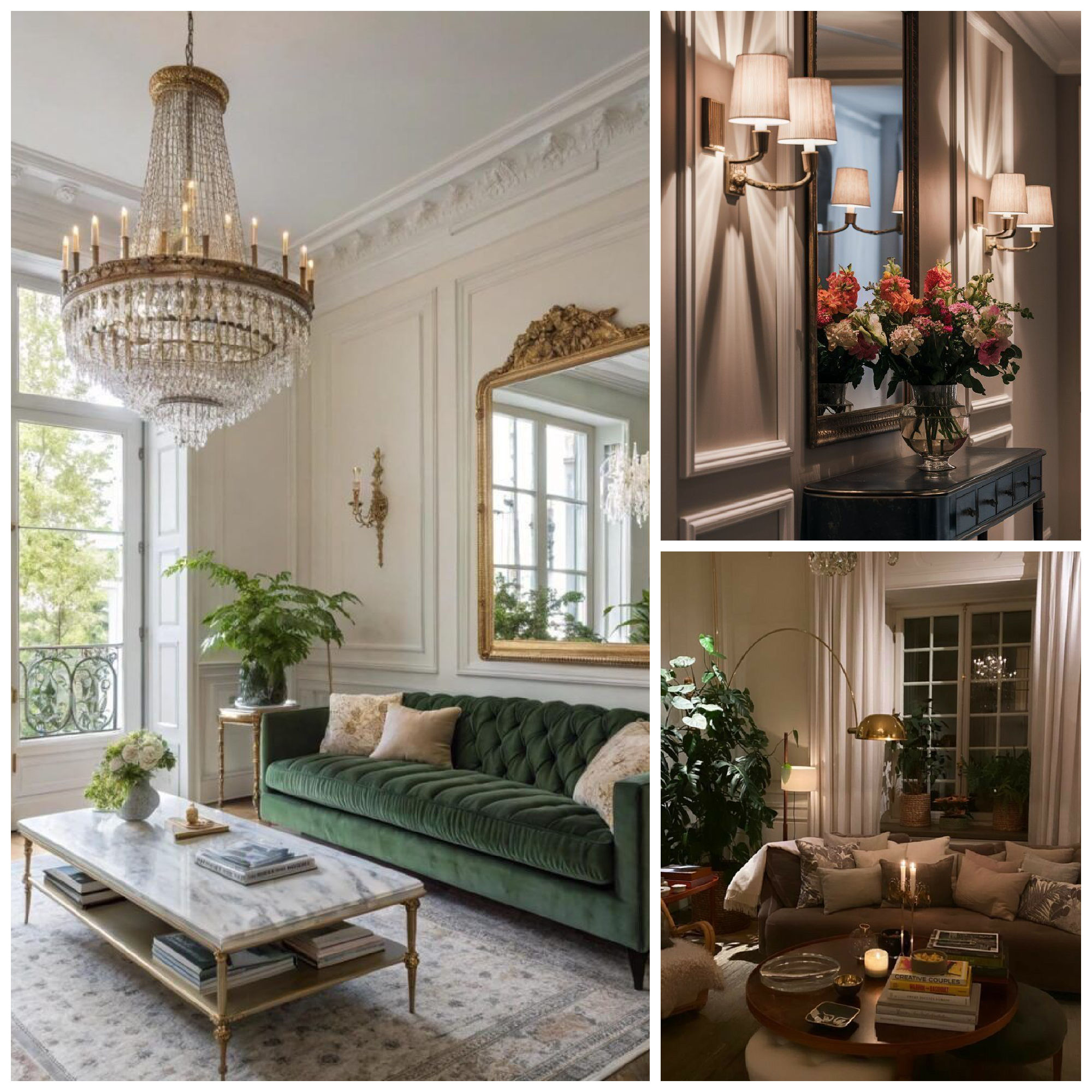
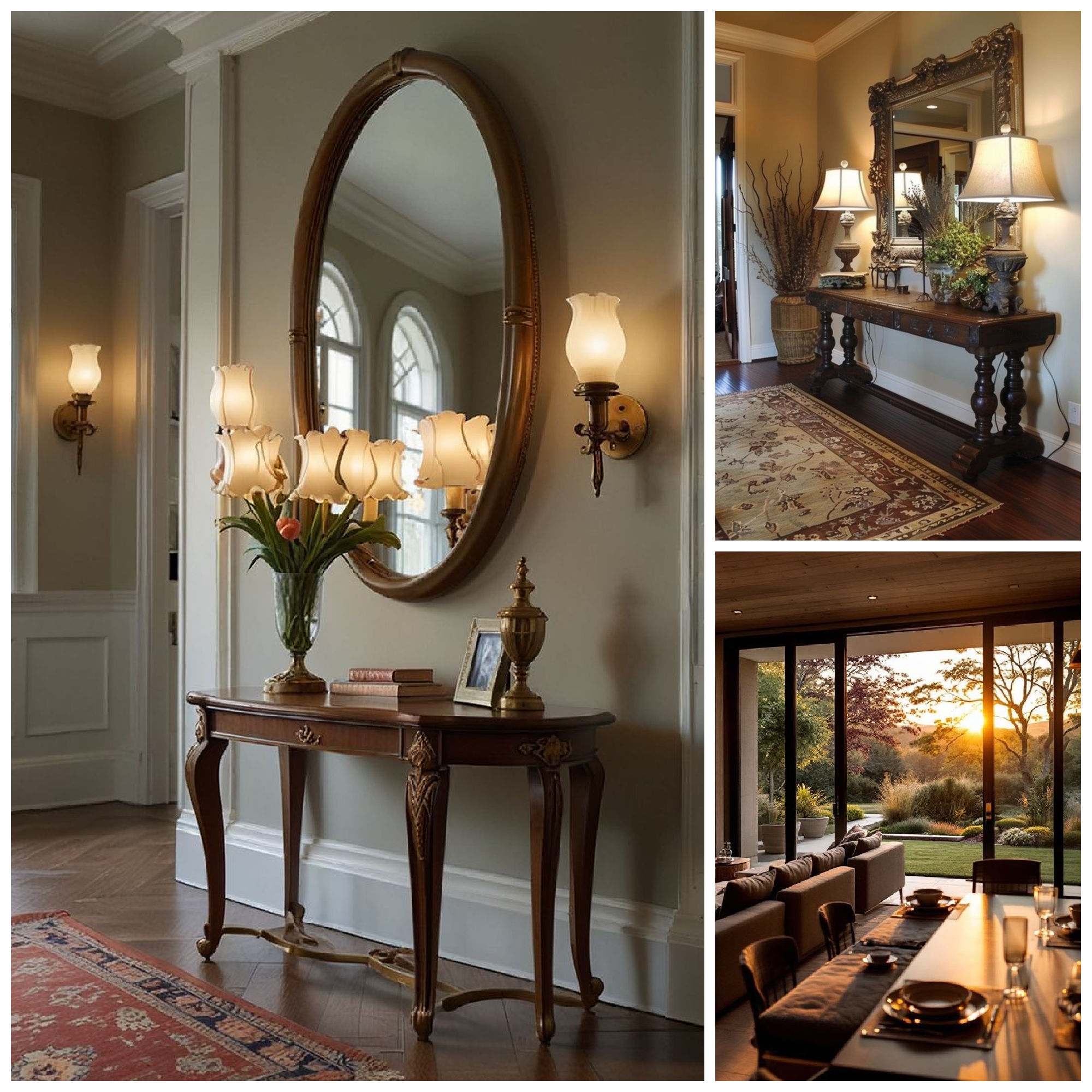
Instead of relying on a single bright light source, designers layer lighting throughout the space. This might include soft overhead lighting, floor lamps, and hidden LED strips.
Natural light is also a priority. Large windows, sheer curtains, and open layouts allow daylight to fill the room.
The goal is flexibility. The lighting should adjust easily, whether the space is being used for quiet relaxation or social gatherings.
5. Incorporating Wellness Features
Wellness has become a defining element of luxury design. Spaces are no longer just beautiful. They are designed to support well-being.
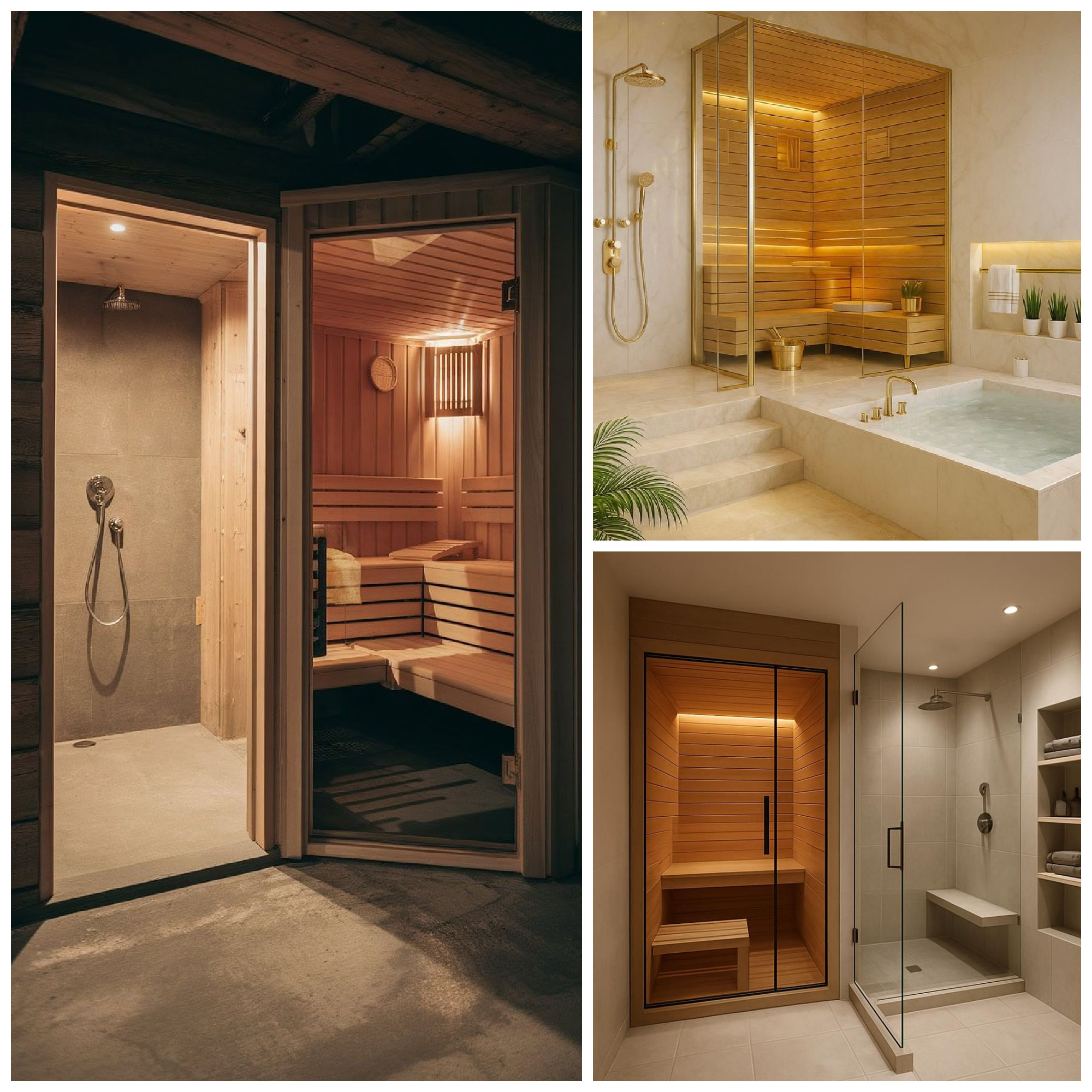
Features like spa-style bathrooms, meditation corners, and heat therapy options are becoming more common. Even compact additions, such as a small indoor sauna, can elevate a space by adding a dedicated area for relaxation and recovery, with details like the sauna heater playing a quiet but essential role in maintaining a consistent and comfortable environment.
Sauna creates an experience that supports both physical and mental comfort.These elements turn a home into more than just a place to live.
6. Connection to Nature
Bringing nature into the home is another key strategy designers use.
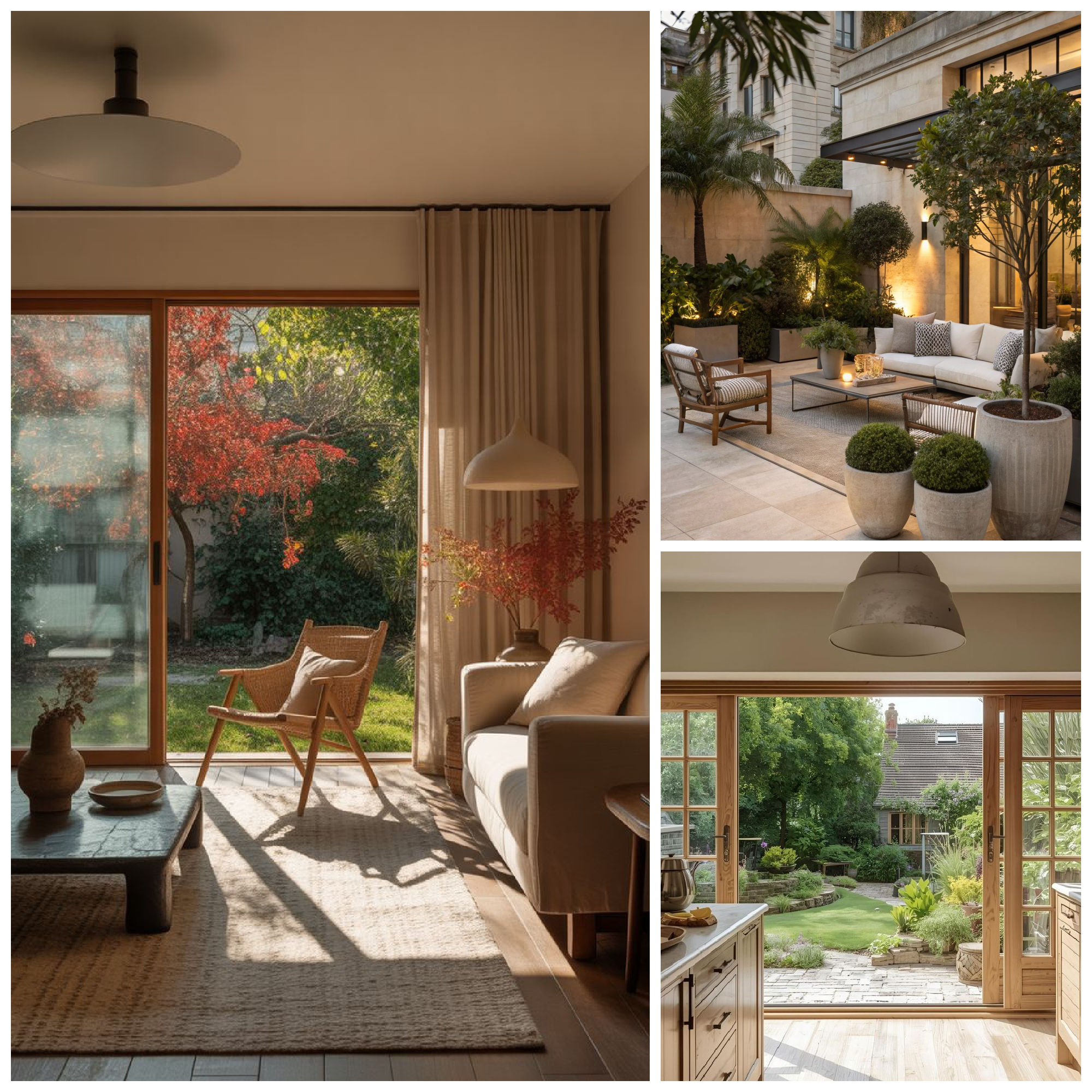
This can be done through materials like wood and stone, but also through plants and natural light. Views of greenery, indoor plants, and even water features can enhance the sense of calm.
This approach, often referred to as biophilic design, helps create a connection between the indoors and outdoors. It makes spaces feel more grounded and less artificial.
7. Minimalism with Personality
While minimalism plays a big role in creating calm spaces, designers avoid making rooms feel empty or impersonal.
Instead, they focus on meaningful details. A carefully chosen piece of art, a textured rug, or a statement chair can add character without overwhelming the space.
The idea is to keep things simple while still reflecting the personality of the homeowner. This balance is what makes a space feel both luxurious and comfortable.
8. Acoustic Comfort and Privacy
Calmness isn’t just visual. It’s also about sound.
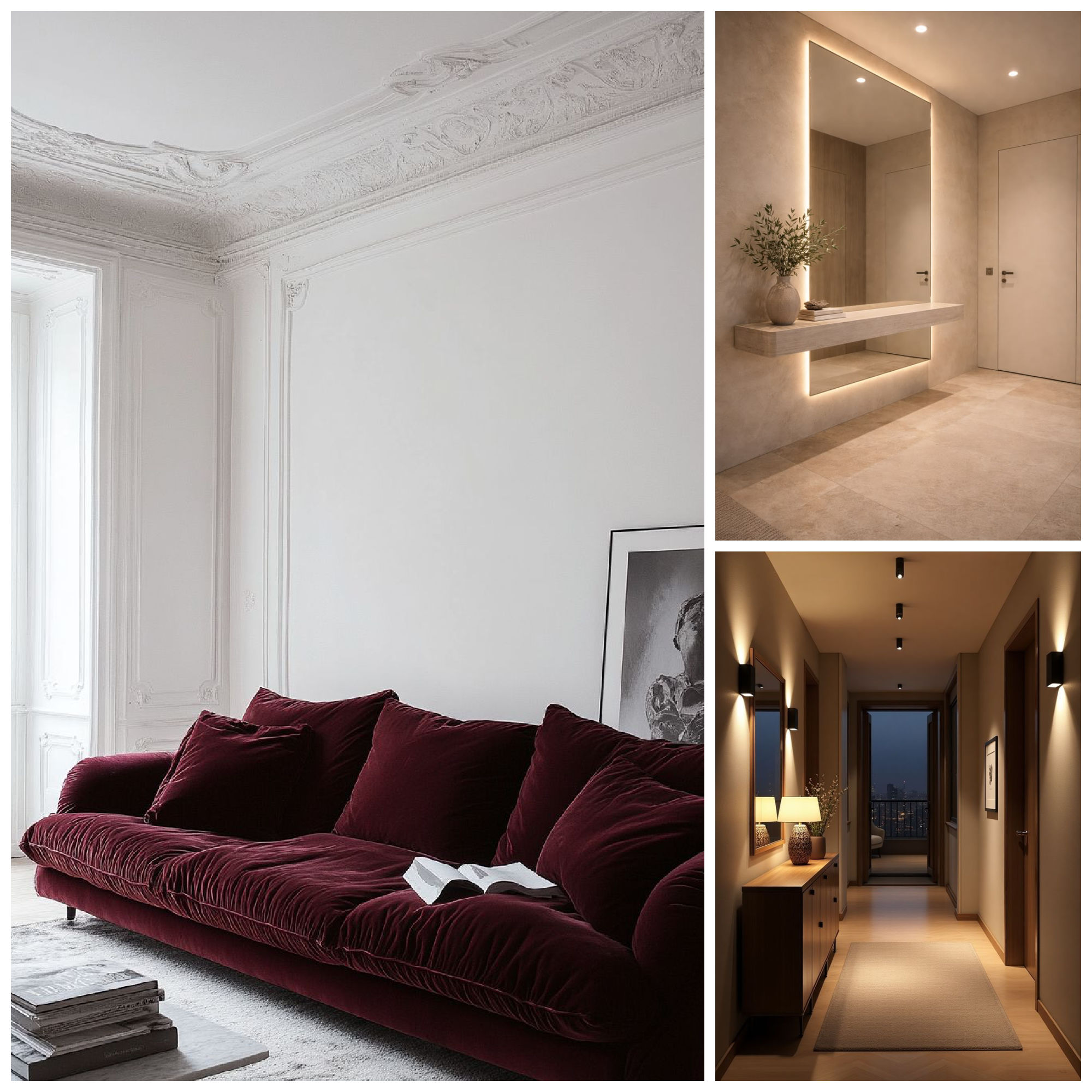
Designers pay attention to acoustics by using soft materials that absorb noise, such as rugs, curtains, and upholstered furniture. In luxury spaces, soundproofing is often built into walls and windows to reduce outside noise.
Private areas within the home also contribute to comfort. Quiet corners or separate zones allow people to step away and relax without distractions.
Conclusion
Creating calm and comfort in luxury spaces is about more than appearance. It’s about designing with intention.
From thoughtful layouts and soft color palettes to wellness features and natural elements, every detail plays a role in shaping how a space feels. The best designs don’t just look impressive. They support everyday living in a way that feels effortless and relaxing.
In the end, true luxury is not just seen. It’s experienced.
xoxo


