Sculpted Contours vs. Soft Volumization: The Role of Calcium Hydroxylapatite in Structural Jawline Definition

I’ve become more cautious about the word “definition” in aesthetic medicine. A sharper jawline isn’t always created by adding more product. In patients with mild tissue laxity, a small amount of strategically placed structural filler often makes more sense than trying to replace every visible loss of volume. And when the treatment goal includes both contour and progressive dermal remodeling, calcium hydroxylapatite (CaHA) has a particular advantage.
The important distinction is between filling a space and changing how the tissue behaves around it. Those are related goals, but they aren’t the same procedure.
The jawline problem is usually structural
Lower-face aging rarely presents as one isolated defect. Volume shifts, skin laxity, mandibular support, prejowl hollowing, and descent of soft tissue interact with each other. The result is often a jawline that looks less continuous rather than simply “smaller.”
That’s where CaHA becomes interesting.
Radiesse is a calcium hydroxylapatite filler in a carboxymethylcellulose gel carrier. The gel provides early volume and support, while the CaHA microspheres act as a temporary scaffold around which tissue remodeling occurs. Research has associated CaHA treatment with changes involving collagen, elastin, proteoglycans and other components of the extracellular matrix. The regenerative mechanism is still being refined, so I wouldn’t describe it as a simple on-off collagen switch.
For clinicians, this distinction matters. A patient asking for a “sharper jawline” might need projection, support, correction of a prejowl depression, improvement in tissue quality, or some combination of these. The injector has to identify the actual problem before choosing the material.
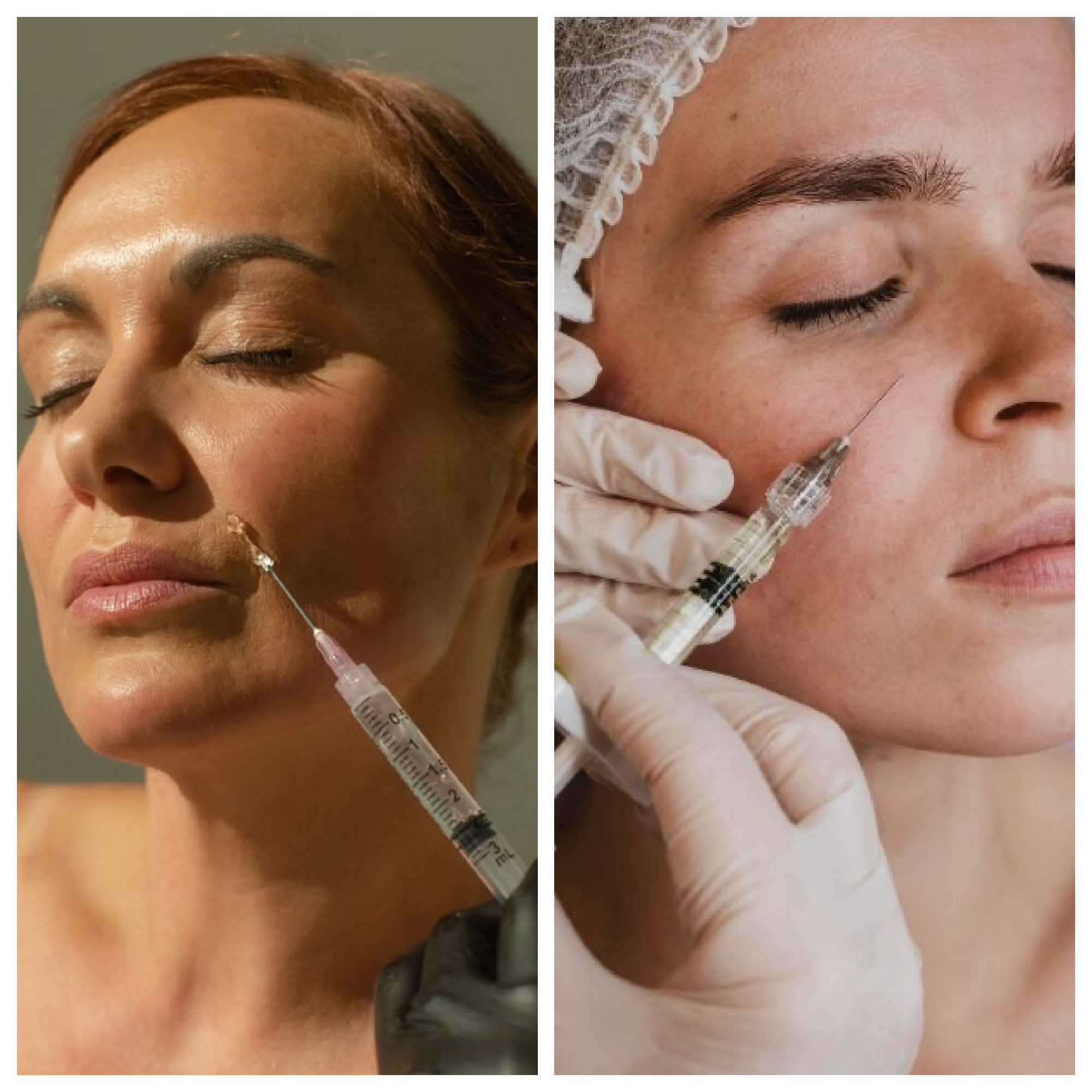
Why CaHA behaves differently from a soft volumizer
Soft HA fillers have an obvious role in aesthetic medicine. Their flexibility and water-binding behavior make them useful when the goal is smooth volume transition or correction of a superficial contour irregularity.
CaHA has a different feel in treatment planning.
Its rheological properties provide projection and resistance to deformation, which is useful when the objective is structural definition. Earlier clinical literature described CaHA as combining immediate volume replacement with longer-term collagen formation, while more recent reviews continue to examine its role as a biostimulatory material rather than treating it as a conventional volume-only filler.
This is why I wouldn’t put “CaHA versus HA” into a simple winner-and-loser framework. The better question is: what tissue change are you trying to produce?
For clinics sourcing injectable materials, product selection also deserves scrutiny beyond the brand name. Formulation, concentration, rheology, intended indication, dilution strategy and the clinician’s injection plan all influence how a material behaves. If a clinic is comparing professional purchasing options, a page such as wholesale Radiesse for aesthetic clinics can serve as a starting point for reviewing the available product category and associated clinical information. The destination page currently presents a broader professional injectable portfolio, including Profhilo products, so clinicians should verify the specific formulation, indication and regulatory status of any product before ordering rather than assuming every item on a supplier page is interchangeable with Radiesse.
That last point sounds mundane, but it prevents a common mistake: treating every injectable as though the syringe determines the treatment. It doesn’t. Material science and placement have to match the anatomical objective.

Structural definition needs restraint
The strongest jawline treatments often look less dramatic immediately than people expect.
For a patient with mild-to-moderate contour loss, the target isn’t necessarily a sharply projected mandibular border. It’s continuity. The prejowl sulcus, chin, mandibular body and angle need to read as parts of the same structure.
Clinical guidance published specifically for CaHA jawline contouring identifies the prejowl sulcus, jawline recontouring and gonial angle definition among common treatment applications. The 2023 guidance also emphasizes patient assessment, treatment planning and safety considerations for on-label CaHA+ use.
That changes how I think about product volume. More isn’t automatically more structural.
An overfilled jaw can look heavy, especially in a face where the underlying problem is laxity rather than skeletal deficiency. A patient with significant skin excess might also be disappointed by filler alone. No injectable can reproduce the tightening effect of excisional surgery, and expectations need to reflect that.
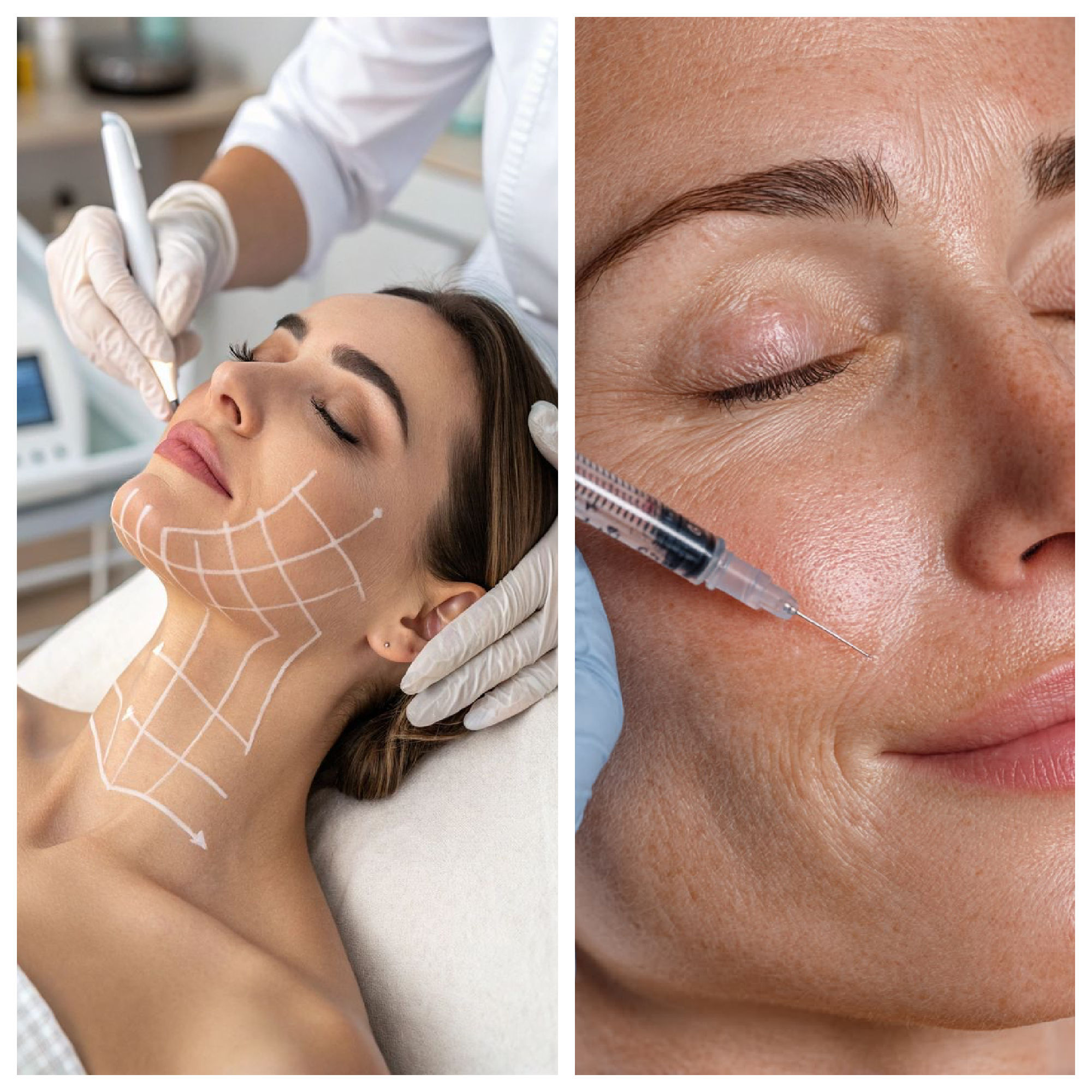
A practical decision framework
| Clinical presentation | Primary treatment objective | Material strategy to consider |
| Mild prejowl hollowing with good skin quality | Restore continuity | Focused structural filler |
| Loss of mandibular definition with moderate tissue descent | Support and contour | CaHA can be considered where clinically appropriate |
| Thin, lax skin with little true volume loss | Improve tissue quality | Biostimulatory approach may be more relevant than aggressive volumization |
| Need for soft, superficial correction | Smooth transition | HA often offers greater flexibility |
| Significant jowling or excess skin | Address structural laxity | Injectable treatment alone may be insufficient |
| Weak chin projection | Improve chin-jaw relationship | Assess chin structure before treating the jawline itself |
The table isn’t a protocol. It’s a reminder to diagnose the visual problem before reaching for the syringe.
The biostimulation question is more complicated than the marketing suggests
CaHA is often described as a collagen stimulator, which is directionally fair but incomplete.
The available literature supports biological activity involving fibroblasts and extracellular matrix remodeling. A 2023 systematic review found evidence for increased collagen production and changes in elastic fibers, with some evidence involving cell proliferation and angiogenesis. At the same time, the authors noted methodological limitations and limited evidence for several proposed mechanisms.
That uncertainty is worth preserving.
The 2025 mechanistic review also points toward interactions among CaHA microspheres, calcium ions, fibroblasts and macrophages. It describes a model in which the material provides biological cues involved in tissue regeneration. Yet the precise biological sequence remains an area of investigation.
For a clinician, this means avoiding a simplistic promise such as “inject CaHA and the skin produces new collagen.” Tissue response is more nuanced. Patient age, anatomy, injection plane, product characteristics, dilution and treatment objective all influence the clinical result.
And that is where the distinction between structural CaHA treatment and hyperdilute CaHA becomes particularly important.
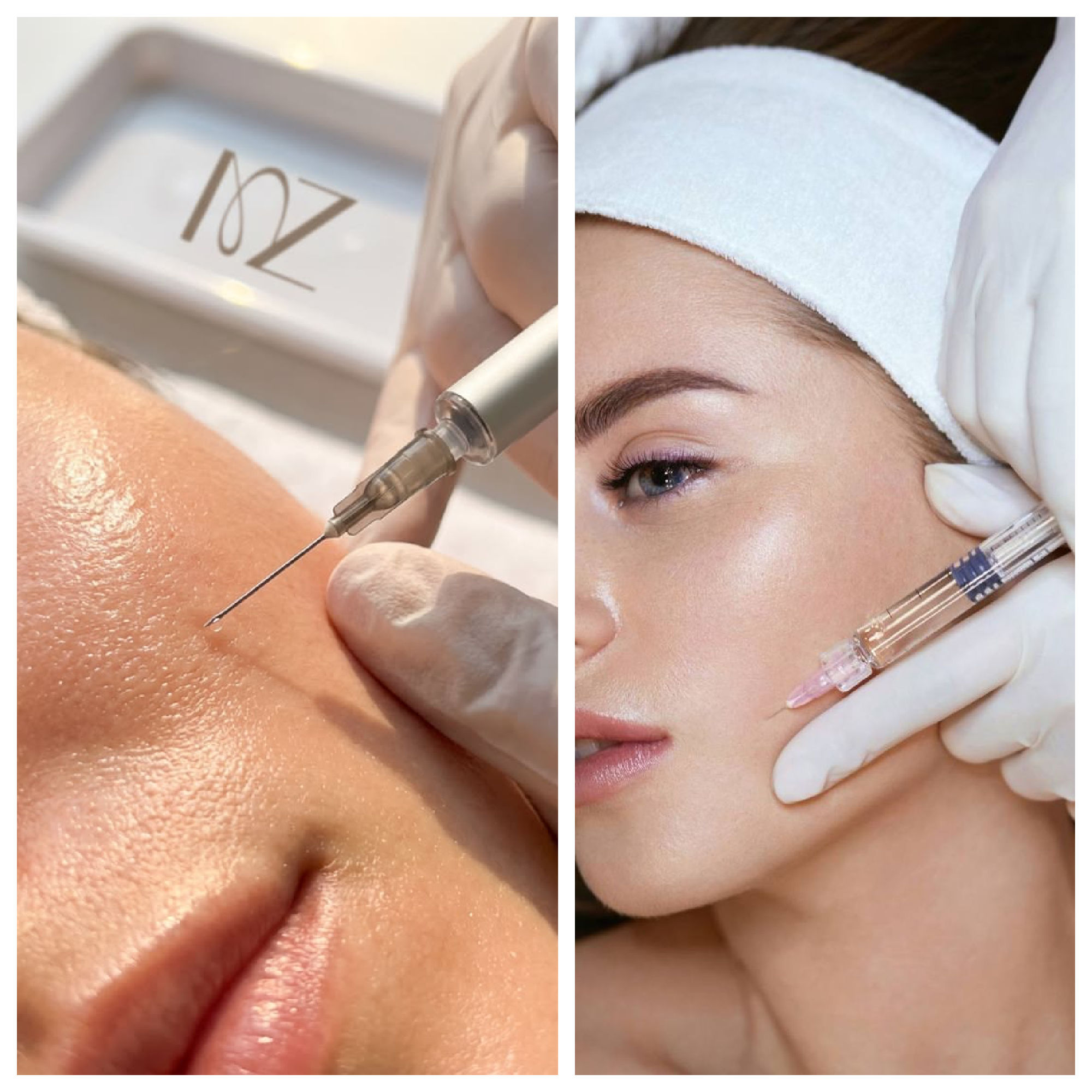
Same material, different clinical intention
A more concentrated CaHA approach can be selected when immediate contour and support are important. Diluted or hyperdiluted CaHA has been investigated for broader skin-quality and laxity treatment, where reducing the immediate volumizing effect and encouraging wider product distribution becomes part of the treatment strategy. A 2026 review describes hyperdilute CaHA as an approach aimed more toward neocollagenesis, neoelastogenesis and extracellular matrix remodeling across larger treatment fields.
Those approaches shouldn’t be treated as interchangeable.
If the patient has a clear structural deficiency at the mandibular border, a diffuse skin-quality strategy might not produce the definition they want. Conversely, placing a structural filler everywhere a patient has lax skin risks creating unnecessary bulk.
This is one of the most commonly confused distinctions in CaHA treatment: biostimulation and volumization can coexist, but the treatment isn’t automatically “biostimulatory” simply because CaHA is involved.
Patient selection matters more than the syringe
I’d be cautious with patients whose primary complaint is substantial skin excess, severe jowling, or a mismatch between their desired result and what nonsurgical treatment can realistically deliver.
The clinician also needs to assess facial proportions before deciding where to inject. A jawline that looks weak from the front might be adequately projected in profile. A prejowl shadow can sometimes be mistaken for insufficient mandibular width. Likewise, treating the jaw without considering the chin can create an isolated, artificial-looking border.
Contraindications and precautions depend on the specific product, indication, jurisdiction and patient history, so the current prescribing information and applicable regulatory guidance should govern treatment decisions. Complications associated with injectable fillers also range from expected short-term reactions to uncommon but serious vascular events. Anatomical knowledge, appropriate injection technique and a clear complication-management plan remain essential.
That part of the job doesn’t become less important because the material has a regenerative component.
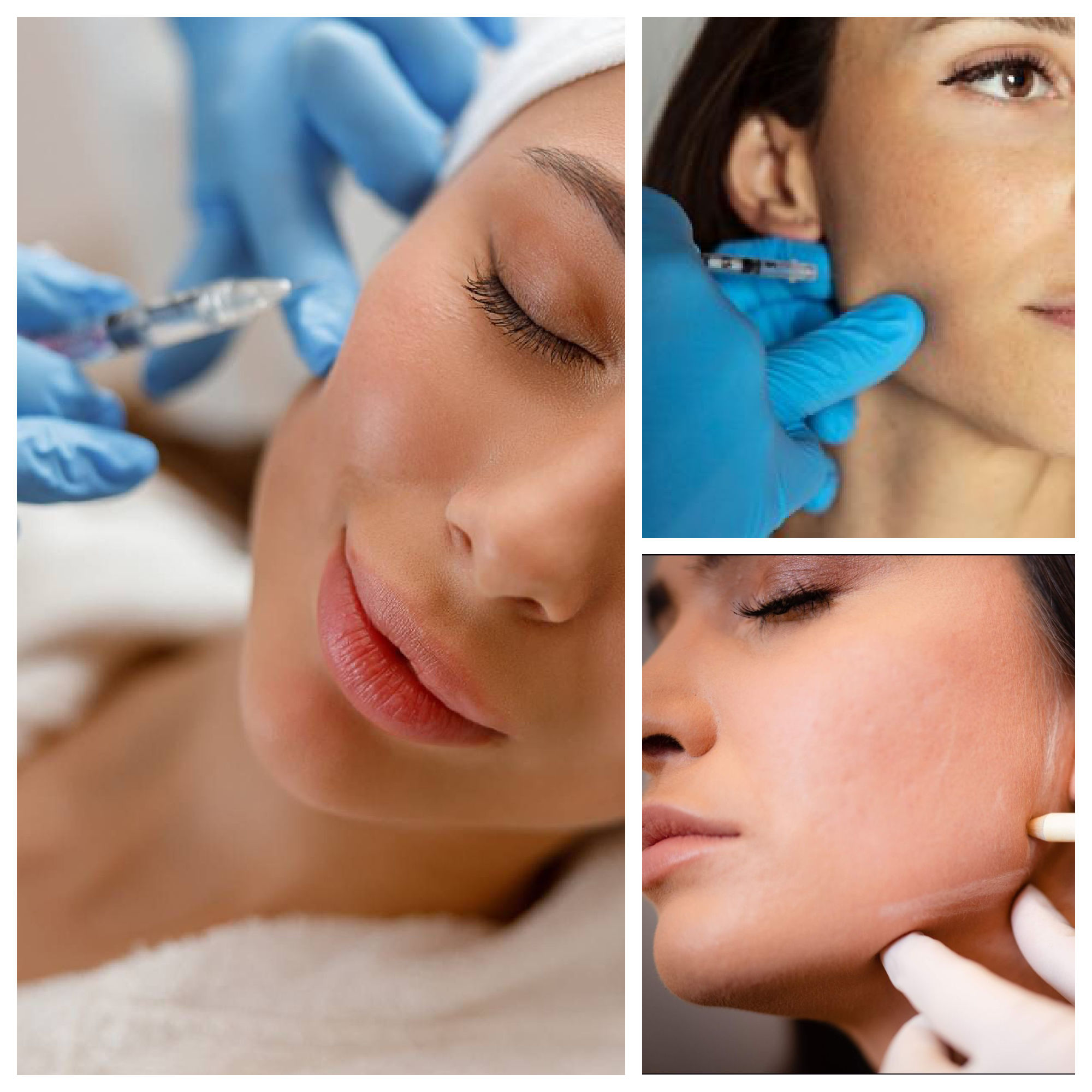
The aesthetic goal should decide the formulation
There’s a temptation in regenerative aesthetics to make every treatment about collagen. I think that’s a mistake.
Sometimes the patient needs collagen remodeling. Sometimes they need immediate structural support. Often they need both, but in different locations and with different treatment strategies.
CaHA is particularly useful when the clinician wants a material capable of providing immediate contour while also participating in longer-term tissue remodeling. The evidence base supports its role in facial contouring, although the quality and design of studies vary and the regenerative mechanisms aren’t fully settled.
The practical advantage is therefore less about calling CaHA “better” than softer fillers and more about using its physical and biological characteristics deliberately.
A well-defined jawline should look like anatomy, not an injectable.
That may mean less product than the patient expected, a different injection plane than they assumed, or treating the chin and prejowl region before attempting to sharpen the mandibular edge. In aesthetic medicine, those decisions often matter more than the name printed on the box.

xoxo


