Minoxidil Solutions: How They Support Hair Regrowth
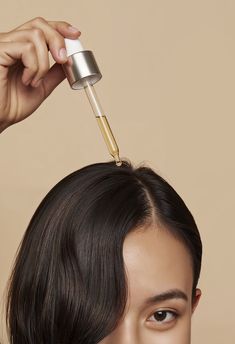

If you’ve been looking into hair loss treatments, chances are you’ve come across minoxidil. It’s one of the most widely used topical solutions for hair thinning and hair loss, and it’s been around long enough that there’s real science behind how it works. But many people start using it without fully understanding what it does, when to expect results, and why it works better for some people than others.
What Minoxidil Actually Does
Minoxidil was originally developed as a blood pressure medication. When patients taking it orally started noticing unexpected hair growth, researchers began studying its effect on hair follicles. The topical version that followed became one of the first treatments approved specifically for hair loss.
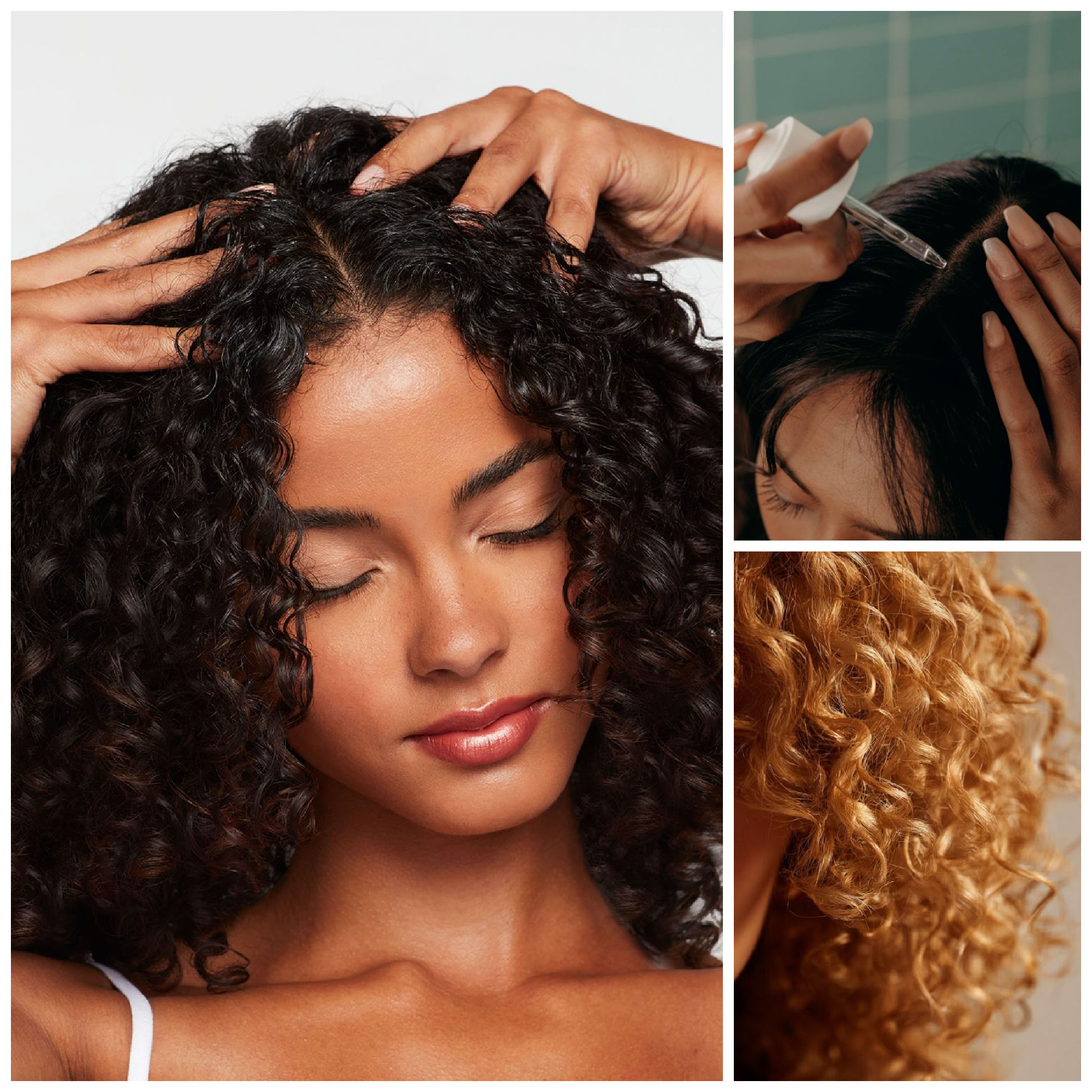
When applied to the scalp, minoxidil works by widening blood vessels and improving blood flow to the hair follicles. This increased circulation delivers more oxygen and nutrients to follicles that may have become dormant or weakened. Over time, this can shift hair from a resting phase back into an active growth phase, which is how it supports regrowth rather than just slowing loss.
It’s important to understand that minoxidil doesn’t address hormonal causes of hair loss. It supports the environment around the follicle — it doesn’t alter what’s driving the follicle to shrink in the first place.
Who It Works Best For
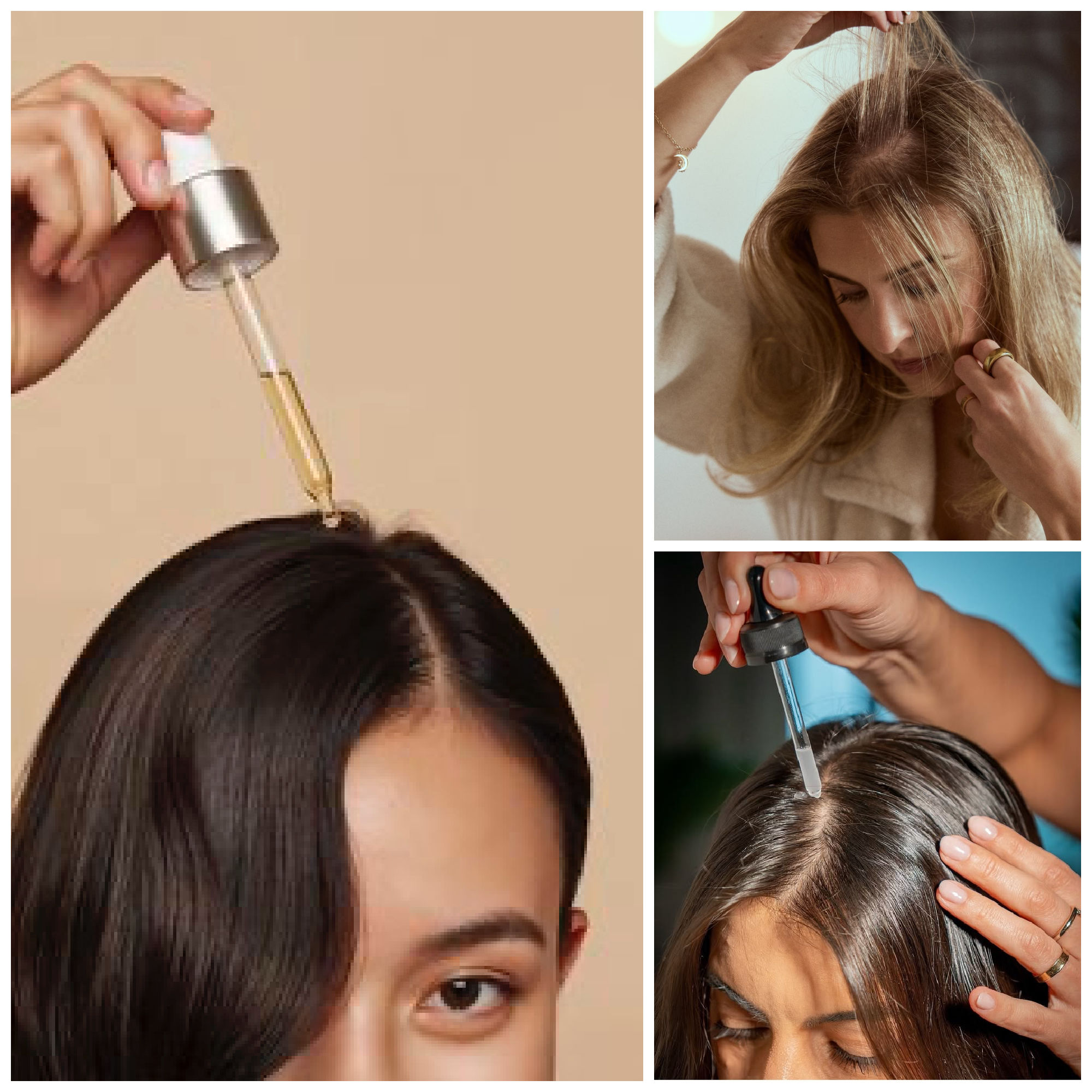
Minoxidil tends to show better results in people who are in earlier stages of hair thinning. If follicles are still alive but underperforming, improved blood supply can make a real difference. In cases where follicles have been inactive for a very long time or where the scalp has significant scarring, results are usually limited.
It’s also worth knowing that minoxidil works more predictably for certain types of hair loss. Androgenetic alopecia — commonly called male or female pattern baldness — responds to it more reliably than other forms. For hair loss caused by nutritional deficiencies, thyroid issues, or stress, treating only the scalp while ignoring the root cause tends to produce incomplete results.

How to Use It Correctly
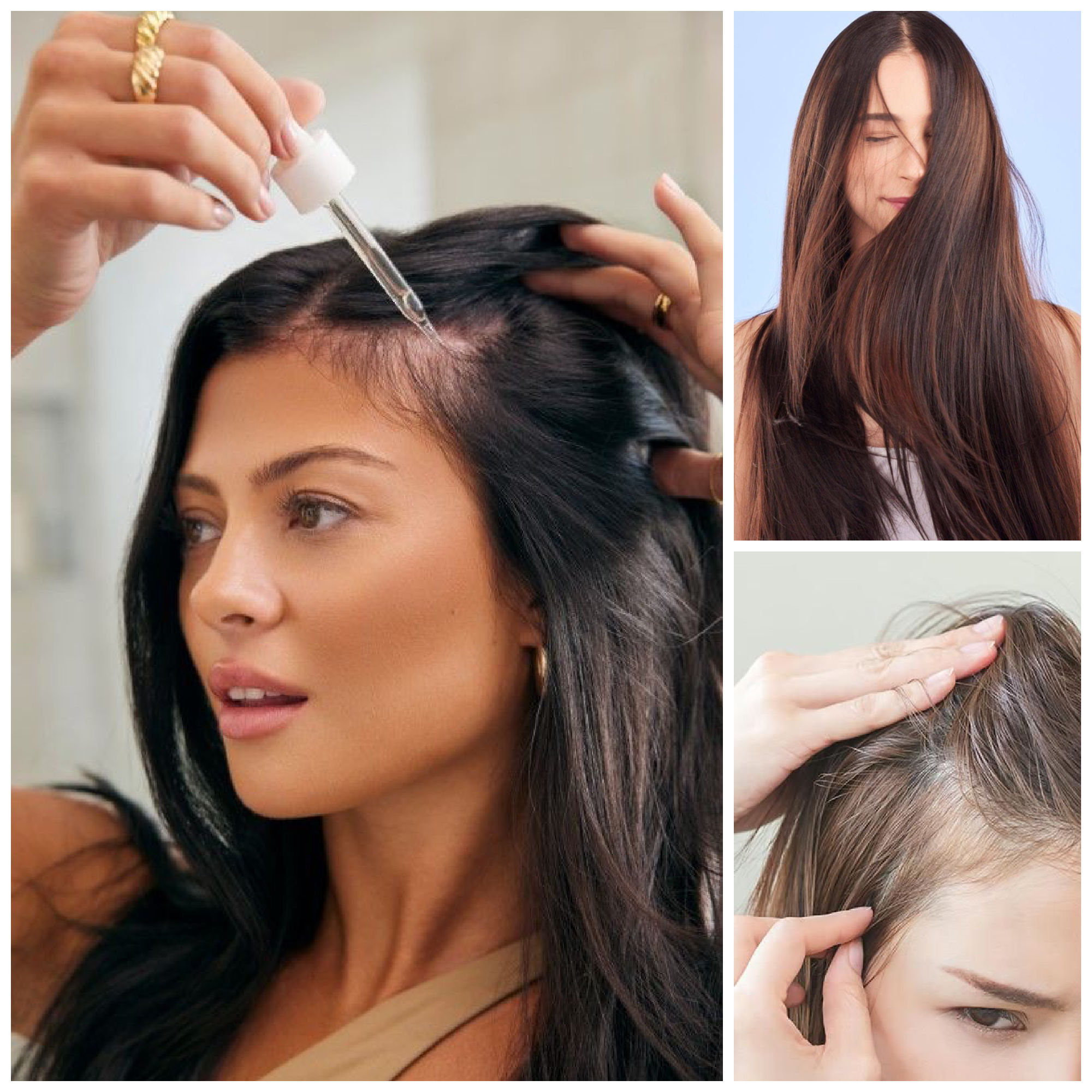
Using minoxidil properly matters more than most people realize. Applying it to a damp or wet scalp dilutes the solution and reduces absorption. It should always go onto a clean, dry scalp. Using more than the recommended amount doesn’t speed up results — it mostly increases the chance of irritation.
A few practical points:
- Apply directly to the scalp, not the hair
- Use it consistently — skipping applications significantly reduces effectiveness
- Give it at least four to six months before evaluating results
- Wash hands thoroughly after each application
Some people combine topical solutions with tools like a dermaroller, which creates micro-channels in the scalp that can help the solution absorb more effectively. This combination has shown promising results in several studies, though it requires care to avoid irritating the scalp.
The Shedding Phase Most People Don’t Expect
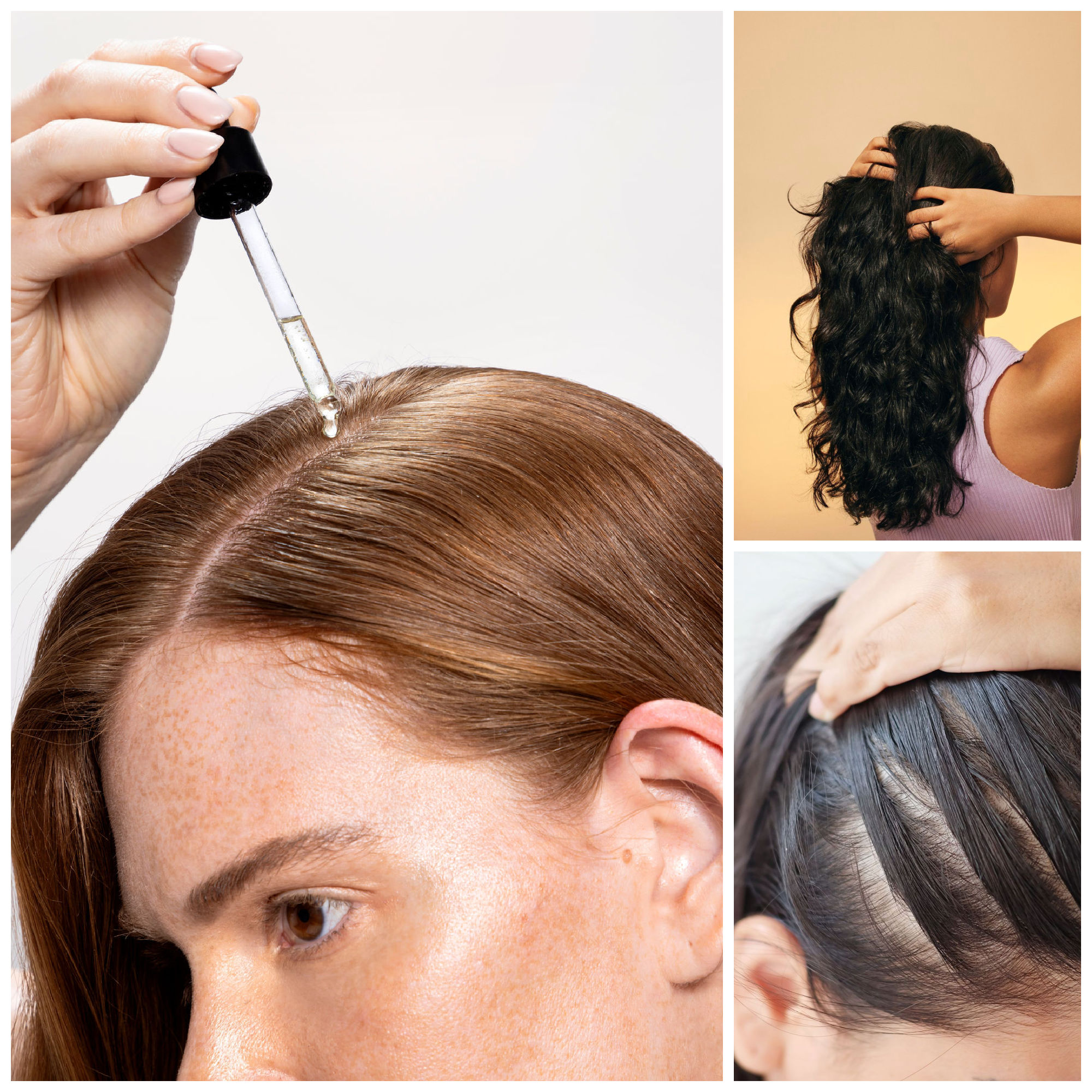
One of the most common reasons people stop using minoxidil too early is the initial shedding that can occur in the first few weeks. This can feel alarming — you start a treatment for hair loss, and suddenly you seem to be losing more hair.
This happens because minoxidil pushes older, weaker hairs that are nearing the end of their cycle out faster, making room for newer, stronger growth. It’s a normal part of the process, not a sign the treatment isn’t working. Most people who push through this phase begin to see stabilization and gradual improvement within a few months.
Where Root Cause Thinking Comes In
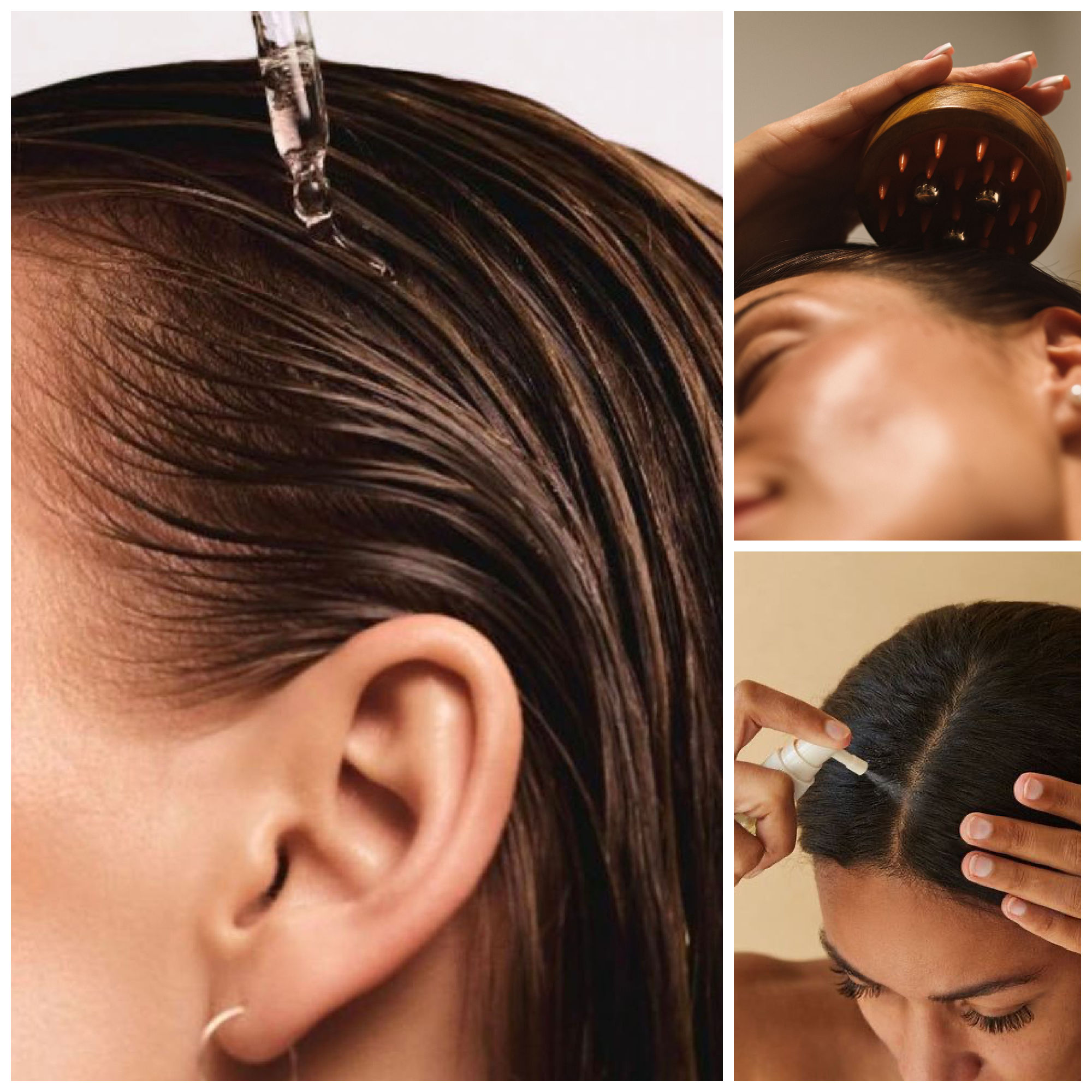
Minoxidil can be a valuable part of a hair care approach, but it rarely works well as a standalone solution for people dealing with ongoing or worsening hair loss. Some approaches like Traya’s minoxidil solution combine topical treatment with a broader plan that accounts for the internal triggers driving hair loss — things like hormonal imbalances, gut health, and nutritional gaps. That kind of layered thinking tends to produce more lasting results.
Final Thoughts
Minoxidil is a well-researched, genuinely useful tool for supporting hair regrowth — but it works best when you understand what it can and can’t do. It supports the scalp environment and encourages dormant follicles back into activity. What it doesn’t do is fix the underlying reasons your hair started thinning in the first place. For anyone dealing with persistent hair loss, that deeper question is worth taking seriously.

xoxo


