How to Protect Hair From Heat and Prevent Styling Damage
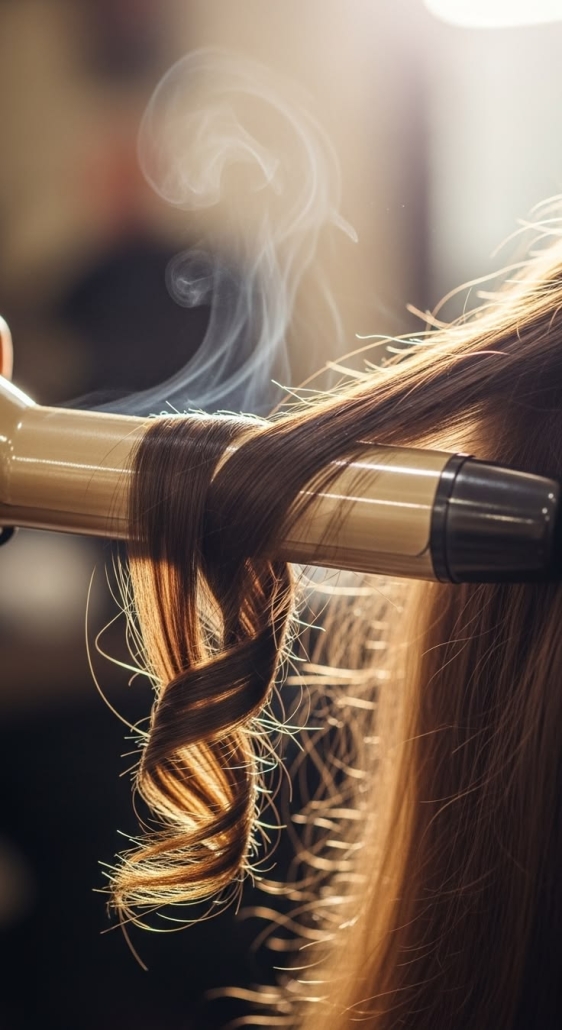
Heat styling can transform your hair in minutes—smoothing frizz, adding curl, or simply making a bad hair day disappear—but repeated exposure to high temperatures often comes at a cost: dryness, brittleness, split ends, and breakage. Blow-dryers, curling irons, and a hair straightener all work the same basic way, applying concentrated heat to reshape hair temporarily. What actually determines whether hair suffers damage, though, isn’t the tool itself—it’s how often it’s used, at what temperature, for how long, and how well the hair has been prepped beforehand. This article sticks to general principles of heat management rather than pushing any particular product or brand. Dermatology guidance consistently draws a line between temporary styling changes and permanent alterations to the hair shaft, and protecting your hair starts with understanding that difference.
How Heat Can Affect the Hair Shaft
The structure of hair
Each strand of hair consists of an outer layer called the cuticle, which shields an inner layer known as the cortex. Think of the cuticle as a shingle-like shield made of overlapping scales—when those scales lie flat, hair looks smooth and reflects light well. Repeated thermal or mechanical stress, though, can lift or roughen these scales, leaving hair looking duller and feeling coarser. Since hair is no longer living tissue once it grows past the scalp, damaged sections can’t heal themselves the way skin can. Conditioners and treatments may temporarily smooth the surface and make hair feel softer, but they can’t rebuild its original internal structure.
Why repeated heat exposure increases risk
High heat, particularly when combined with multiple passes over the same section, can pull moisture out of the hair and weaken the cuticle’s protective barrier. Signs that heat stress has been building up over time include:
- Increased dryness or roughness
- Frizz and a loss of smoothness
- Hair that tangles more easily
- Split ends
- Breakage or uneven lengths
How much risk any individual faces depends on hair texture, porosity, thickness, and whether it’s been through chemical treatments like coloring or relaxing. Dermatology sources point out that excessive heat can damage any hair type—there’s no single “safe” temperature that works universally, which is why lower settings and less frequent use are generally recommended over a one-size-fits-all number.
Assess Your Hair Before Using Heat
Before you reach for a hot tool, it’s worth taking stock of your hair’s current condition. Is it bleached, relaxed, or color-treated? Does it feel fine, fragile, or like it might snap under tension? Has it recently dealt with chlorine, long stretches in the sun, or rough brushing? Hair that’s chemically treated or already showing signs of wear usually calls for a gentler approach.
Here’s a useful comparison: someone with thick, unprocessed hair might handle moderate heat—even occasional higher settings—without much visible effect, while someone with fine, bleached hair could see breakage from that exact same routine. The same heat settings simply don’t translate across different hair types. That said, persistent itching, pain, sores, or unexplained hair loss point to scalp issues rather than shaft damage, and those are worth bringing up with a qualified healthcare professional.
Prepare Hair Properly Before Styling
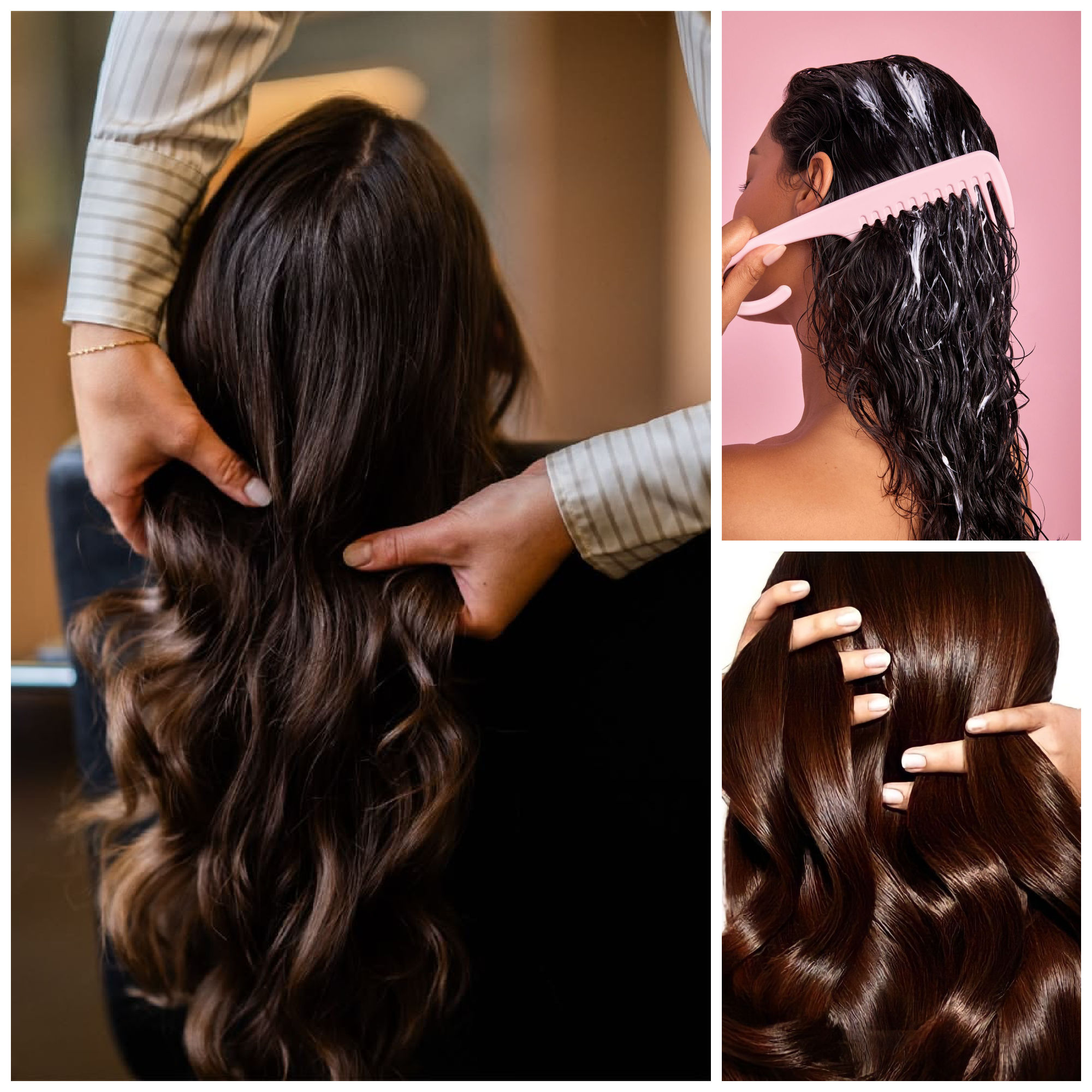
Start with clean, gently handled hair
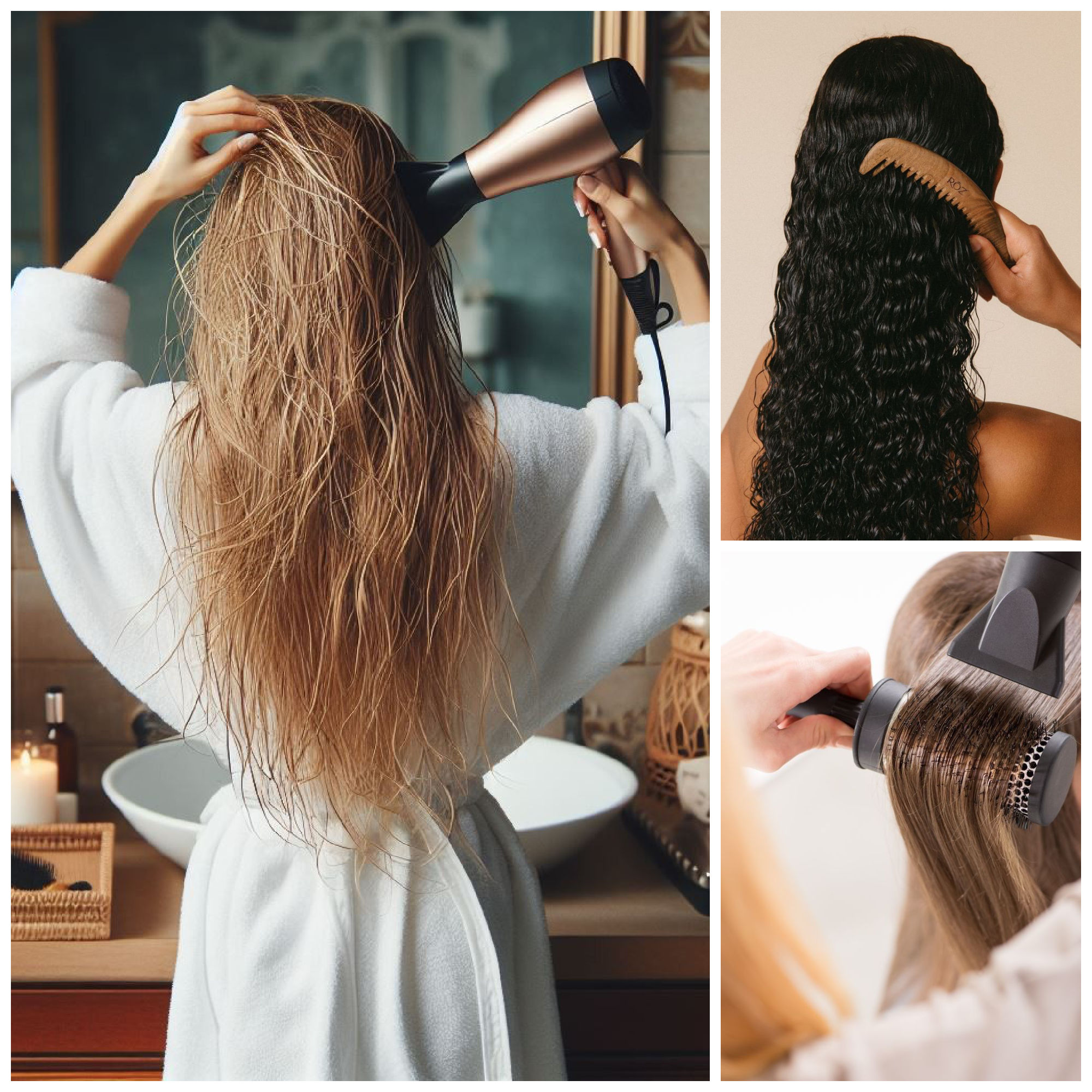
Wet hair stretches more easily and is more prone to breakage, so it’s better to blot it gently rather than rub it vigorously with a towel. Letting hair air-dry partway before switching to a blow-dryer also cuts down on the total time hair spends under heat.
Detangle thoughtfully
Working through tangles with a wide-tooth comb or suitable brush—starting at the ends and gradually moving upward—minimizes unnecessary pulling. Detangling needs can vary quite a bit depending on texture; tightly curled hair, for instance, often calls for different wet-detangling techniques than straight hair does.
Use a heat-protective product appropriately
Heat-protective products are built to reduce, not eliminate, the effects of thermal exposure. Following the label directions and applying enough product for your hair’s length and density matters far more than which brand you choose. No formula, no matter how well-marketed, makes very high temperatures or repeated passes harmless.
Choose Safer Heat-Styling Practices
Use the lowest effective temperature
Aim for the lowest effective temperature that still gets the job done—not the highest setting just to finish faster. Starting low and only turning up the heat if needed helps avoid unnecessary exposure, especially since tool calibration and hair condition vary so much that no single temperature chart applies to everyone.
Reduce contact time and repeated passes
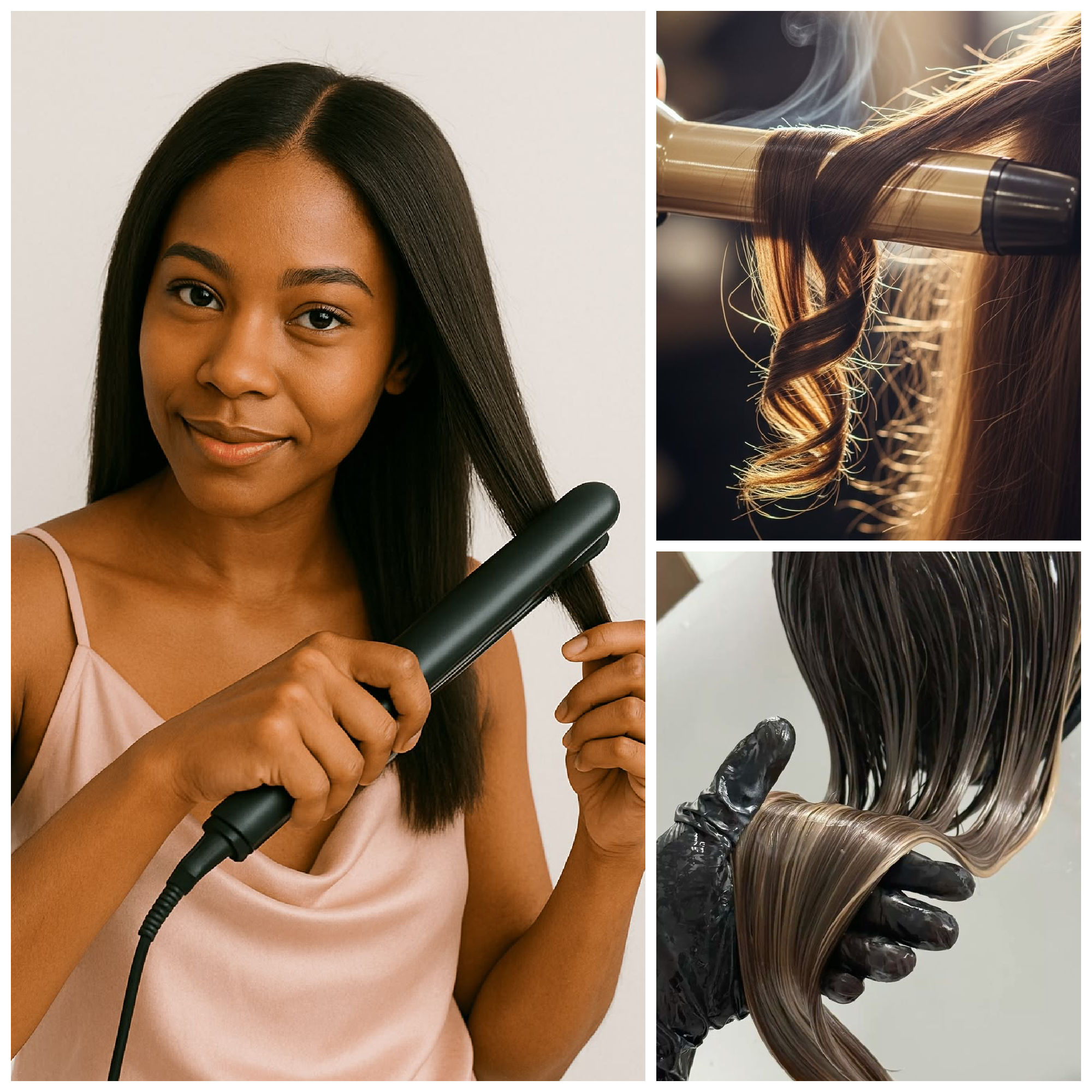
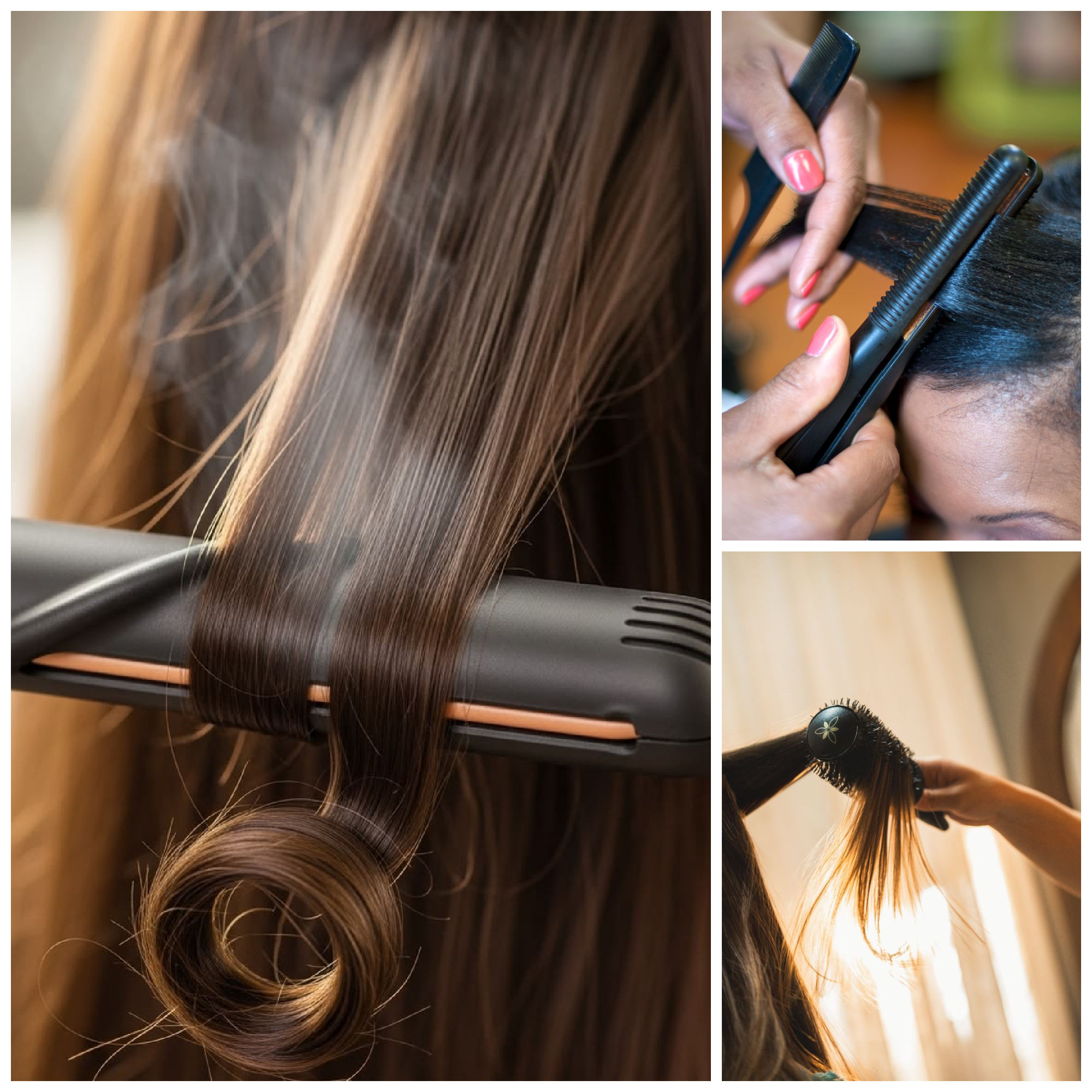
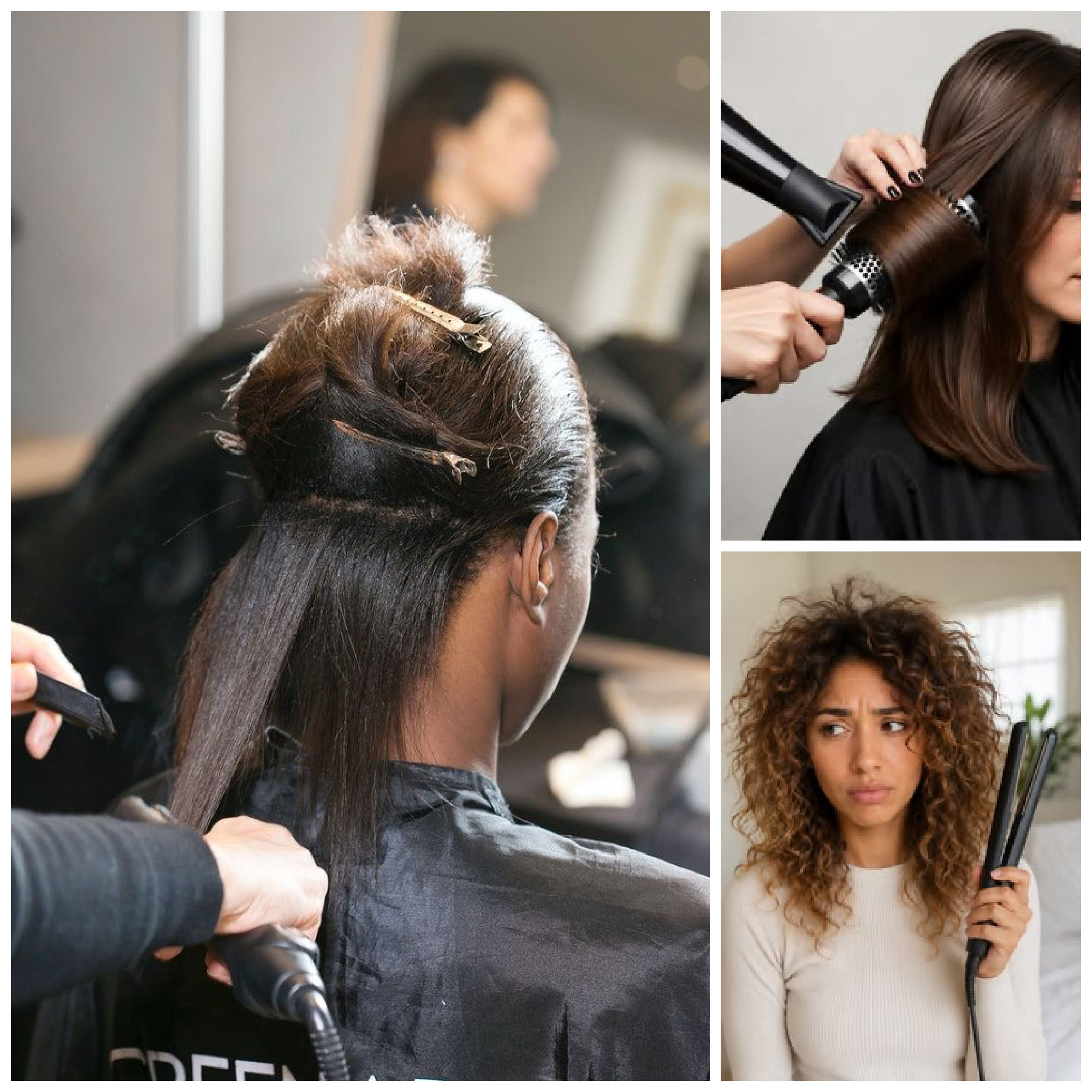
Working through hair in controlled sections with fewer passes keeps cumulative exposure in check. Dermatology guidance generally recommends using flat irons on dry hair, set to low or medium heat, and not reaching for them too often.
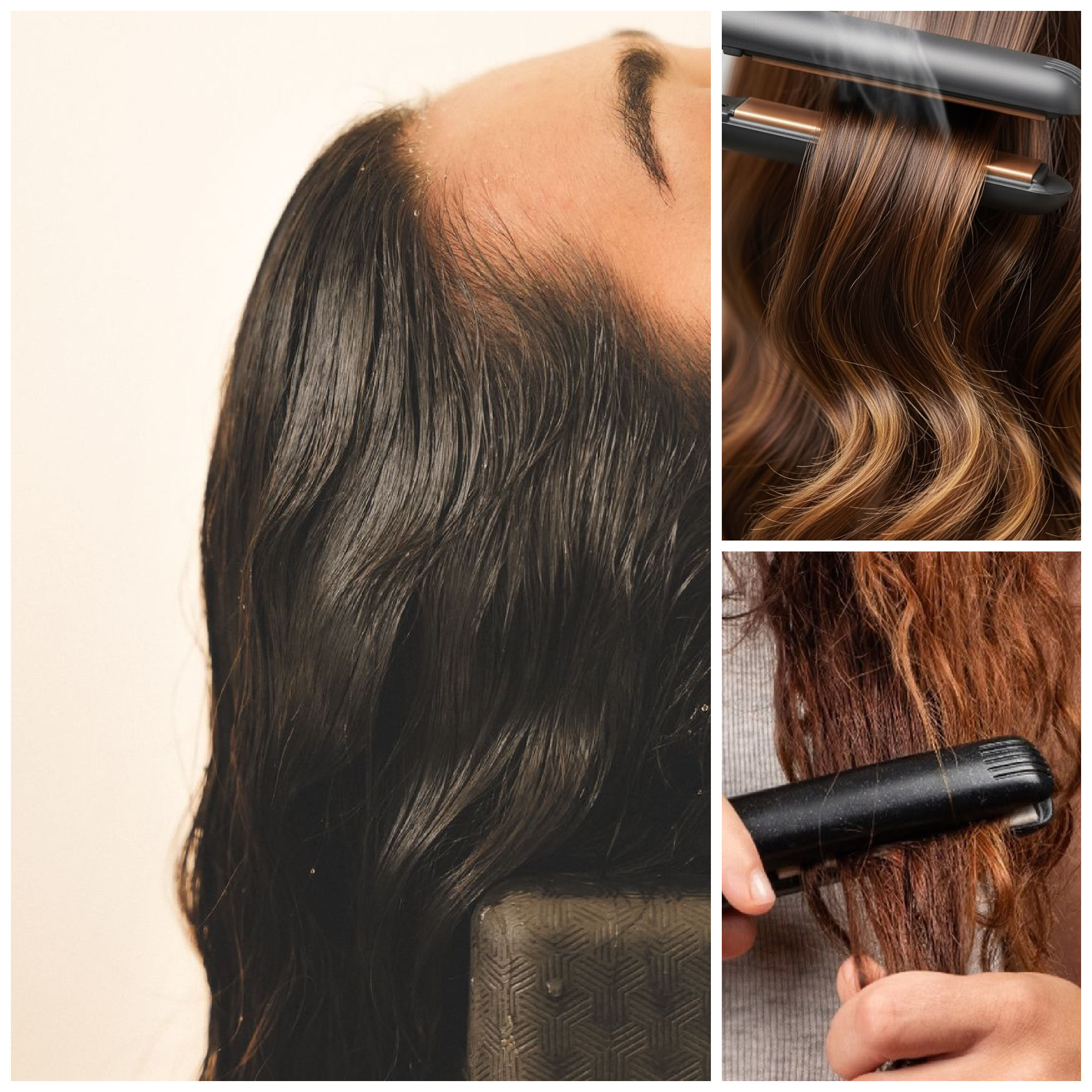
Avoid applying hot tools to damp hair
Flat irons are meant for fully dry hair—any leftover moisture can intensify thermal stress and leave you with uneven results.
Build in heat-free days
Mixing in air-drying days or heat-free styles between heat-styling sessions does more to reduce overall exposure than simply piling on extra products.
Key Takeaway: Lower heat, fewer passes, shorter contact time, and less frequent styling all work together to ease unnecessary stress on your hair.
Adapt the Routine to Different Hair Types and Conditions
- Fine or fragile hair: lower heat, minimal repeated passes.
- Thick or coarse hair: work in sections rather than cranking up the temperature.
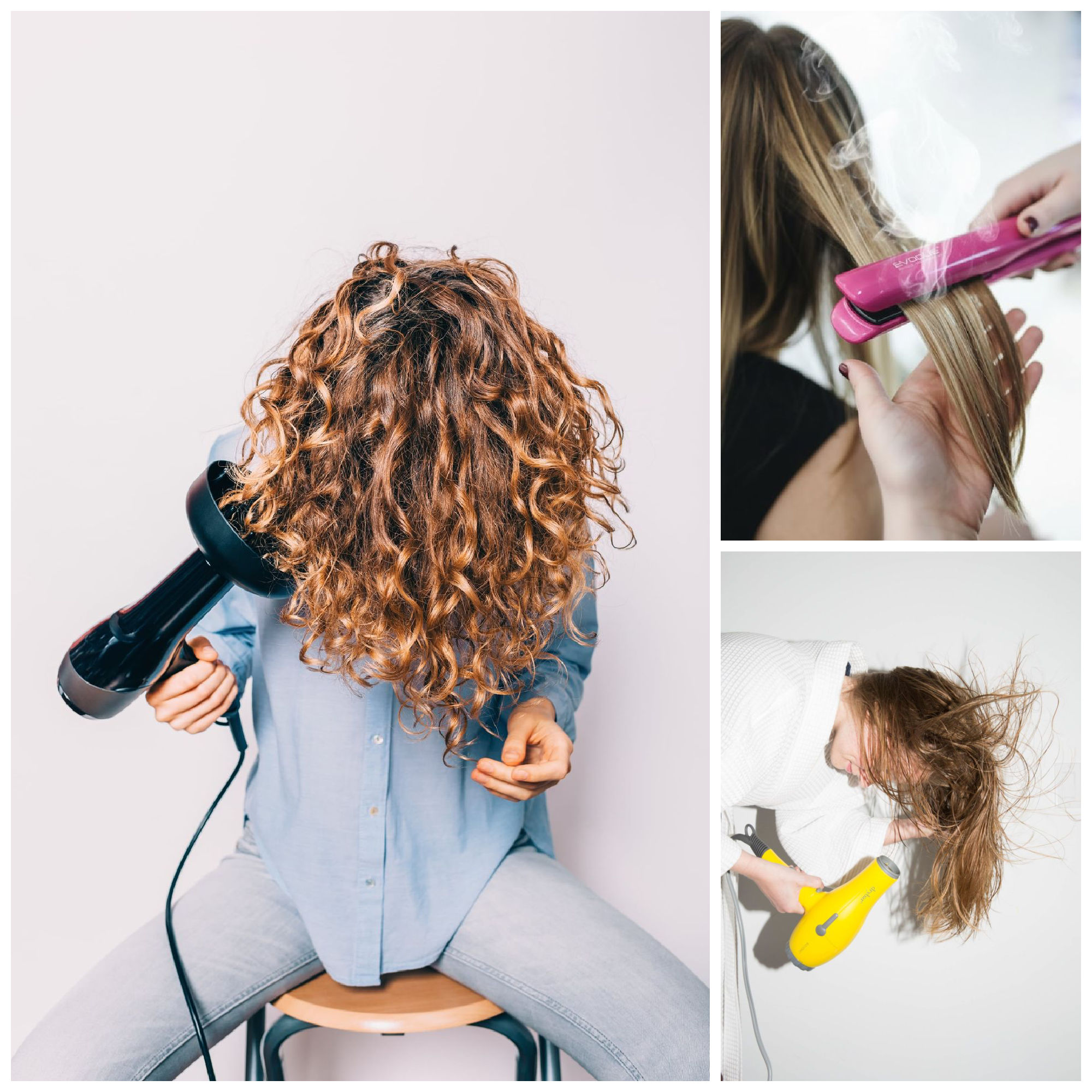
- Curly or coiled hair: prioritize gentle detangling over trying to “correct” the natural texture.
- Bleached or chemically treated hair: stick to conservative heat while hair still feels brittle.
- Color-treated hair: keep an eye out for dryness that worsens with repeated heat.
It’s worth remembering that “healthy-looking” hair and structurally undamaged hair aren’t necessarily the same thing. Surface conditioning can disguise existing damage, but it can’t undo it.
Common Mistakes That Increase Heat Damage
- Styling hair before it’s fully dry
- Defaulting to the highest temperature setting out of habit
- Passing over the same section repeatedly
- Holding a tool in place too long
- Styling with heat every single day, without breaks
- Ignoring visible breakage or severe dryness
- Treating heat protectant as a complete safeguard
- Combining frequent heat styling with chemical treatments without giving hair time to recover
How to Recognize When to Reduce or Stop Heat Styling
Keep an eye out for new or worsening breakage, rough-feeling ends, tangling that won’t quit, a growing number of split ends, or hair that feels unusually weak when wet. Trimming split ends is really just a cosmetic fix—it doesn’t repair damage that’s already occurred further up the strand. And if you’re dealing with persistent scalp symptoms or sudden hair loss, that calls for medical guidance beyond what routine hair care can offer.
A Sustainable Approach to Heat Styling
Protecting your hair doesn’t mean giving up styling altogether or sticking to one rigid routine. Assessing your hair’s condition, starting with fully dry hair, choosing the lowest effective temperature, keeping passes to a minimum, and taking regular breaks all add up to less long-term stress on your strands. Before your next styling session, take a moment to think about your temperature setting, how often you’re styling, and how well you’re prepping beforehand—small adjustments like these tend to add up to a meaningful difference over time.
xoxo


