Collecting With Purpose: When Luxury Meets Long-Term Value


Not every expensive object holds its value. Some luxury items bought at peak prices fade into obscurity, while others quietly compound over decades, trading hands among collectors who understand what makes them genuinely scarce.
The difference between an expensive object and a meaningful collectible often comes down to three factors: rarity, provenance, and sustained demand. Items with documented histories, limited supply, and active collector communities tend to retain relevance across market cycles. This pattern holds across fine art, luxury watches, vintage wine, and other categories that now fall under the broader umbrella of the alternative asset class.
That said, the financial case for collecting is rarely clean-cut. The Knight Frank Luxury Investment Index tracks how passion assets perform relative to traditional investments, and the results vary significantly by category and timing. What it reinforces is that emotional ROI, meaning the personal satisfaction, cultural connection, and identity that collectibles provide, is real and legitimate, but it operates separately from financial return. Conflating the two is where many collectors go wrong.
Collecting with purpose means understanding which principles drive value before acquiring, not after. The sections ahead break down those principles across the categories where long-term collectors tend to focus their attention.
What Gives a Luxury Collectible Lasting Value
Rarity, Provenance, and Market Demand
Long-term value in collectibles usually depends on a combination of scarcity, condition, provenance, and sustained collector demand. These are not abstract qualities. They are the measurable factors that auction houses, dealers, and serious buyers use to assess whether an item deserves a premium or simply carries a high price tag.
Rarity matters most when it is verifiable. Limited production runs, documented ownership histories, and active secondary markets all contribute to an item’s staying power. Without at least two of these three elements working together, even visually striking or culturally significant objects can struggle to hold value across market cycles.
Emotional ROI Versus Financial Return
Passion assets can deliver genuine personal satisfaction, and that satisfaction is worth acknowledging on its own terms. However, emotional attachment is not the same as investment performance, and treating the two as interchangeable tends to lead to poor decisions on both fronts.
A collector who acquires fine art primarily for the joy of living with it is making a legitimate choice. A collector who acquires the same piece expecting a specific financial return, without accounting for liquidity constraints, carrying costs, and market timing, is operating on a different set of assumptions that the market may not reward. Understanding which category you fall into, or whether you genuinely occupy both, is one of the more honest questions purposeful collecting requires.
Which Categories Hold Value: Fine Art, Watches, Cars, and Wine Compared
Not every collectible category follows the same logic, and understanding those differences is what separates purposeful collecting from speculative buying.
Fine art tends to rise or fall on artist reputation, exhibition history, and provenance. A work with a clear ownership trail and strong auction records carries more weight than one without documentation, regardless of how visually compelling it may be. An art collection built around emerging artists can deliver significant returns, but it also carries higher uncertainty than established names.
Luxury watches operate differently. Value here is shaped by brand prestige, model scarcity, and condition. A Patek Philippe with original papers and an unpolished case commands a premium that a similar watch without documentation simply cannot match. Readers weighing whether luxury watches are a smart buy will find that these details matter more than most buyers initially expect.
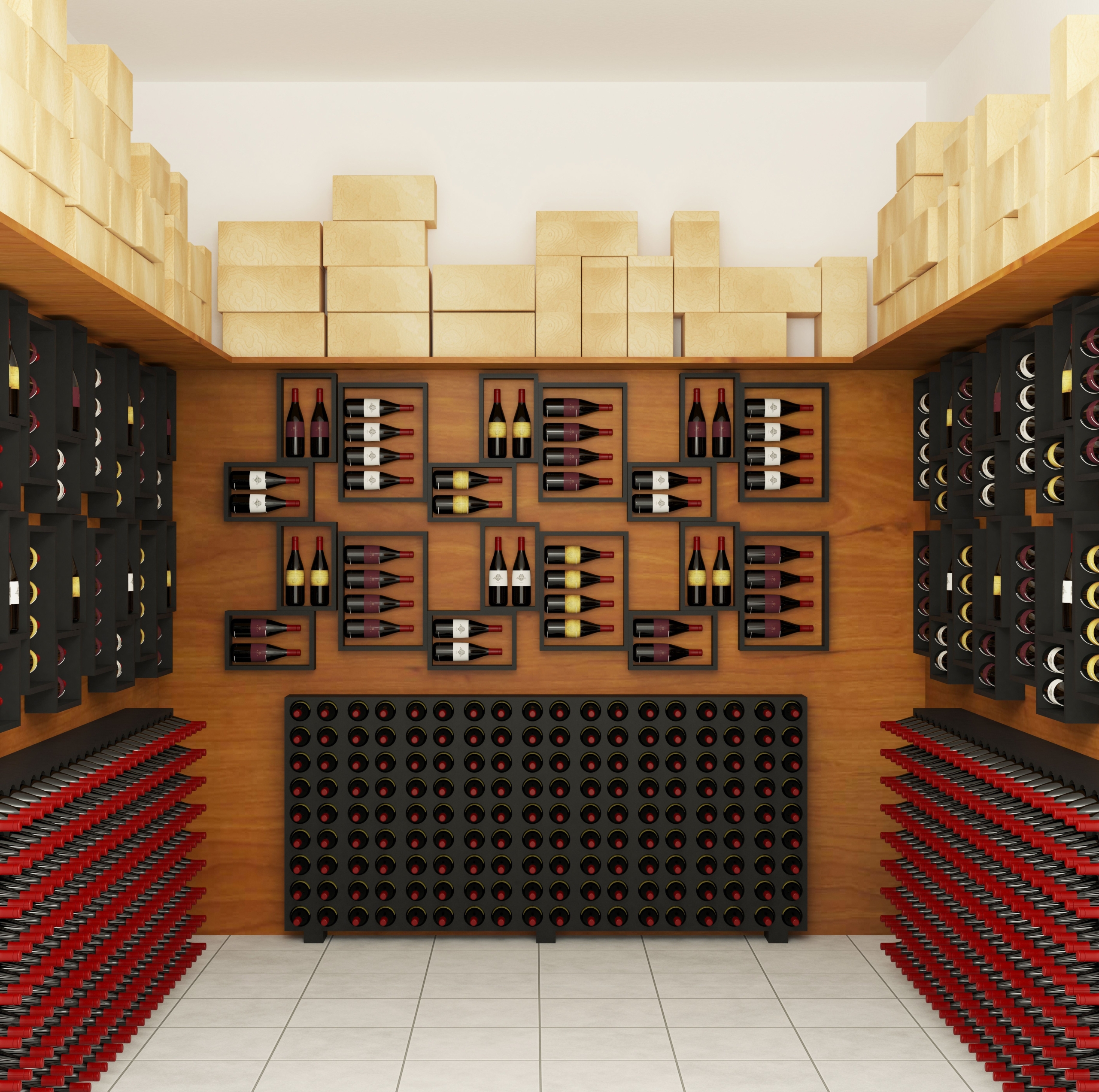
Vintage cars and fine wine introduce a different layer of complexity: storage, maintenance, and authentication costs are ongoing and non-trivial. A wine stored incorrectly loses value entirely, and a car restored with non-original parts can do the same.
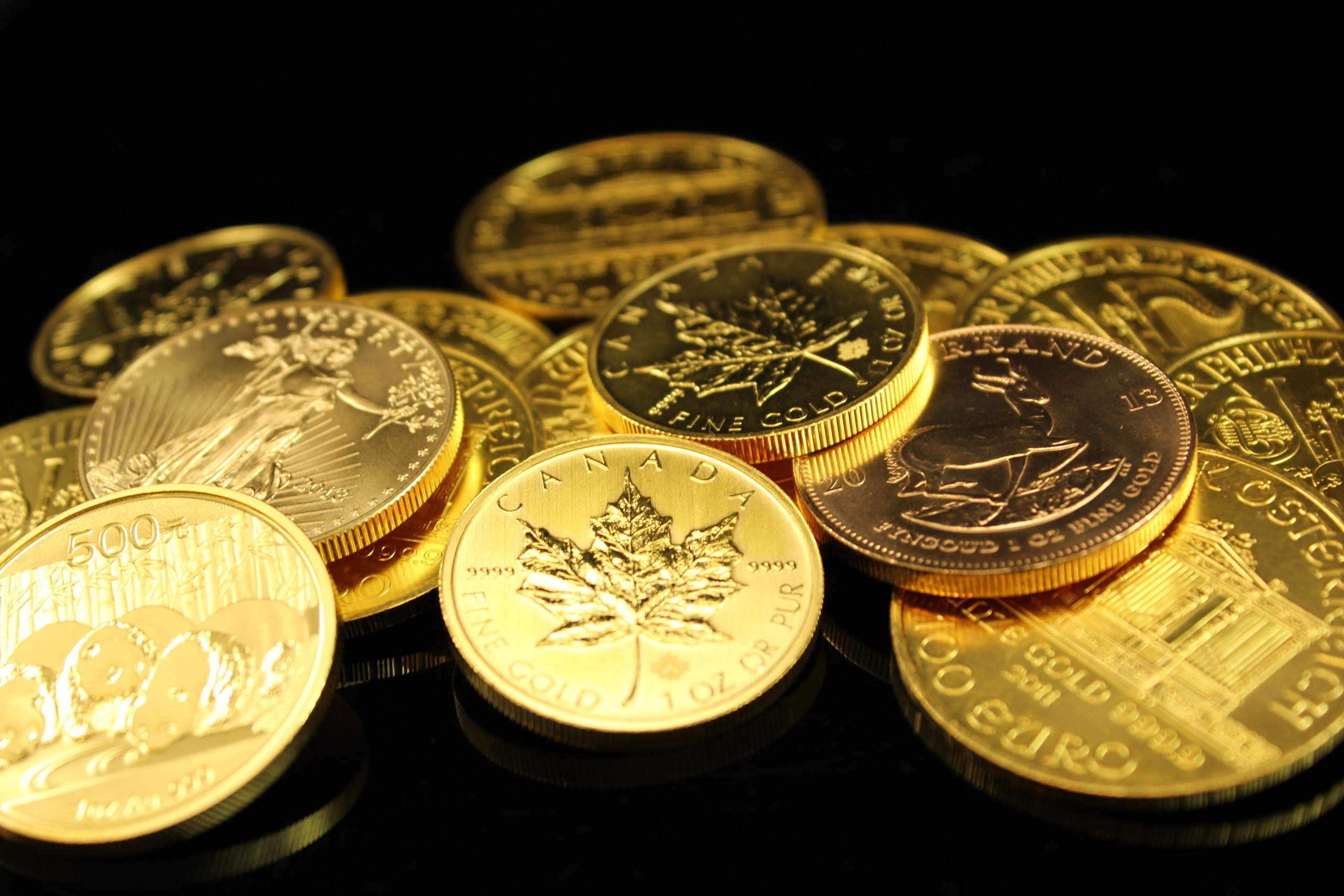
Precious metals listed in the Monex catalog alongside bullion options represent another distinct category with its own liquidity profile. Diversification across these types may reduce concentration risk, though it also demands broader expertise to manage effectively.
How Collections Fit Into a Broader Wealth Plan
For most high-net-worth individuals, collectibles work best alongside traditional investments rather than in place of them. Treating a collection as a full substitute for equities or bonds introduces concentration risk that even the most seasoned collectors rarely find comfortable.
Passion assets occupy a unique position in wealth management conversations because they serve multiple roles at once. A well-assembled collection can represent genuine alternative asset class exposure, a personal legacy project, and a source of ongoing engagement that purely financial instruments rarely offer.
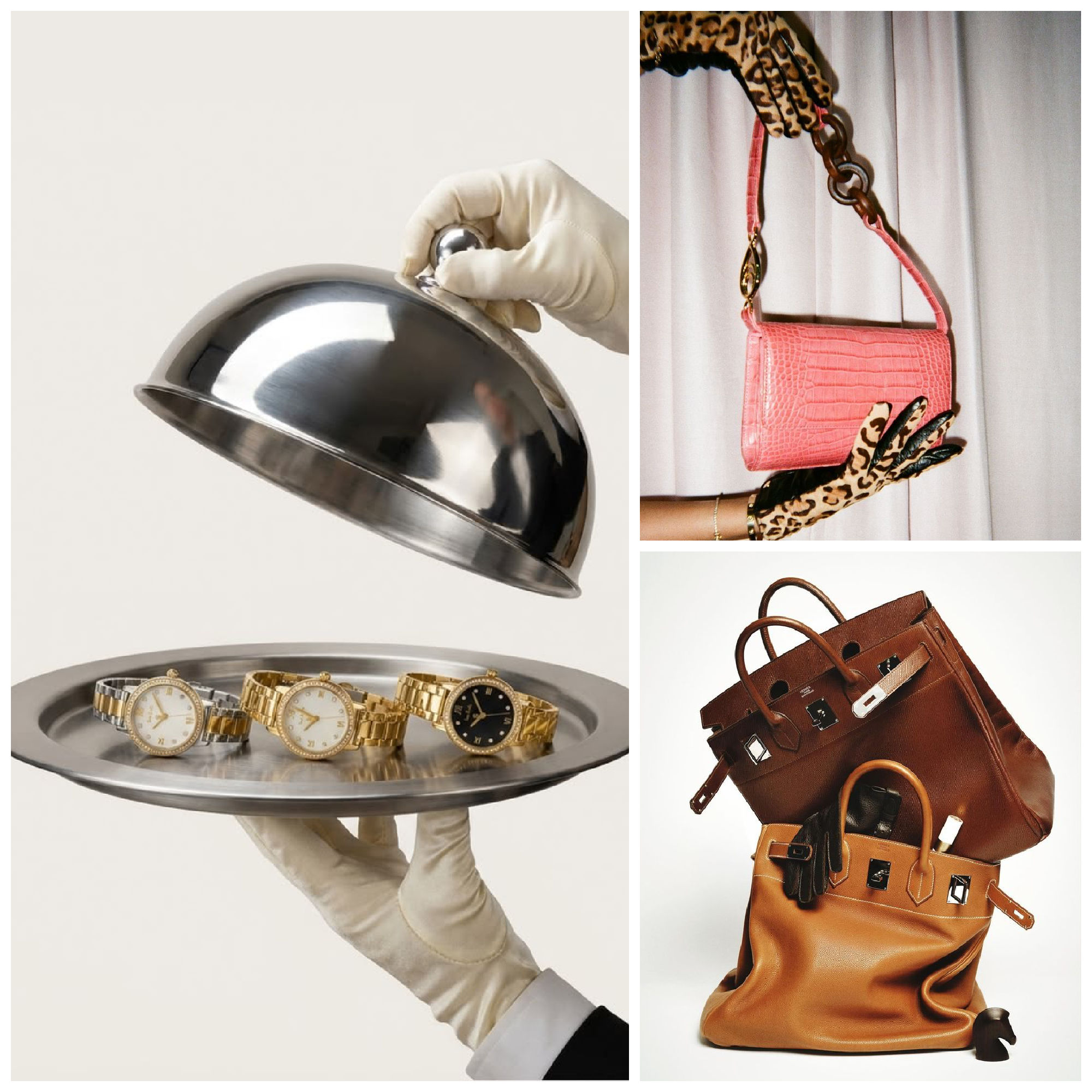
That dual function is worth holding onto when thinking through art investment strategies. Holding periods matter enormously here, as collectibles are illiquid, and selling under pressure rarely produces favorable outcomes. Expertise matters too, and unlike stocks, there is no standardized pricing mechanism to fall back on. Thoughtfully chosen objects, from designer bags built to last to watches acquired for their scarcity rather than novelty, often carry more staying power within a broader plan precisely because they were selected with intention.

The Practical Risks Collectors Often Overlook
Liquidity, Insurance, and Appraisal Realities
One of the more underestimated realities of collecting is that owning something valuable and being able to access that value are two very different things. Liquidity in this space is genuinely limited. Selling a significant piece often requires engaging auction houses, specialist dealers, or waiting months for the right buyer and market conditions to align.
Beyond the exit, the ongoing cost of ownership adds up. Insurance, climate-controlled storage, and periodic professional appraisal are necessary expenses, not optional ones. Appraisal values also shift over time, meaning a collection needs revaluation to remain properly insured and accurately reflected in any financial plan.
Taxes, Transfer, and Legacy Planning
The financial picture becomes more layered once inheritance and transfer enter the conversation. Collectibles are often subject to capital gains tax on sale, and estate planning rules around how they are valued at death can vary significantly depending on jurisdiction and structure.
Provenance documentation plays a role here too. Clear ownership records simplify valuation for tax purposes and reduce disputes during transfer or estate settlement. Legacy planning for collections works best when it is addressed early. Whether passing a collection to heirs, donating to institutions, or liquidating, each path carries different tax and administrative consequences that reward advance preparation.
Final Thoughts
Purposeful collecting sits at the intersection of passion, discipline, and an honest appraisal of what drives long-term value. Enthusiasm alone has never been a reliable foundation for building a collection that holds meaning or market relevance over time.
The strongest collections tend to share a few common traits: clear acquisition criteria, thorough documentation, and the patience to let value develop rather than forcing it. These qualities matter whether the goal is emotional ROI, financial return, or both. When emotional meaning and market fundamentals reinforce each other, that is where collectibles tend to show genuine staying power within a broader wealth management strategy. Collections built on impulse rarely reach that point.

xoxo