Beyond Surface Skincare: How Synthetic Peptide Research Is Shaping Next-Generation Beauty Biotech

For years, aesthetic medicine treated skin ageing as a problem with fairly obvious visual targets. A wrinkle appeared, so we softened it. Volume disappeared, so we replaced it. The skin looked dull, so we resurfaced it.
Those approaches still have a place. But skin laxity has always been the awkward problem in the room.
You can fill a fold and still have poor tissue quality. You can smooth the surface and still see crepiness around the cheeks, neck, arms, or abdomen. And if you keep adding volume to compensate for declining structural support, the face eventually starts to look treated rather than refreshed.
That is why I think the most interesting development in aesthetic biotech is not another surface treatment or another filler format. It is the growing focus on biological signaling.
Synthetic peptide research sits inside that shift. The science is still uneven, and some commercial claims have moved faster than the clinical evidence. But the underlying idea deserves more attention than it often gets. Instead of viewing ageing skin as material that needs to be covered, filled, or tightened from the outside, researchers are studying ways to influence the cellular processes responsible for extracellular matrix maintenance, collagen organization, and tissue repair.
For clinicians dealing with progressive skin laxity, this changes the conversation.
The question becomes less about which product creates the most immediate visual effect. It becomes about what type of biological response the tissue needs.
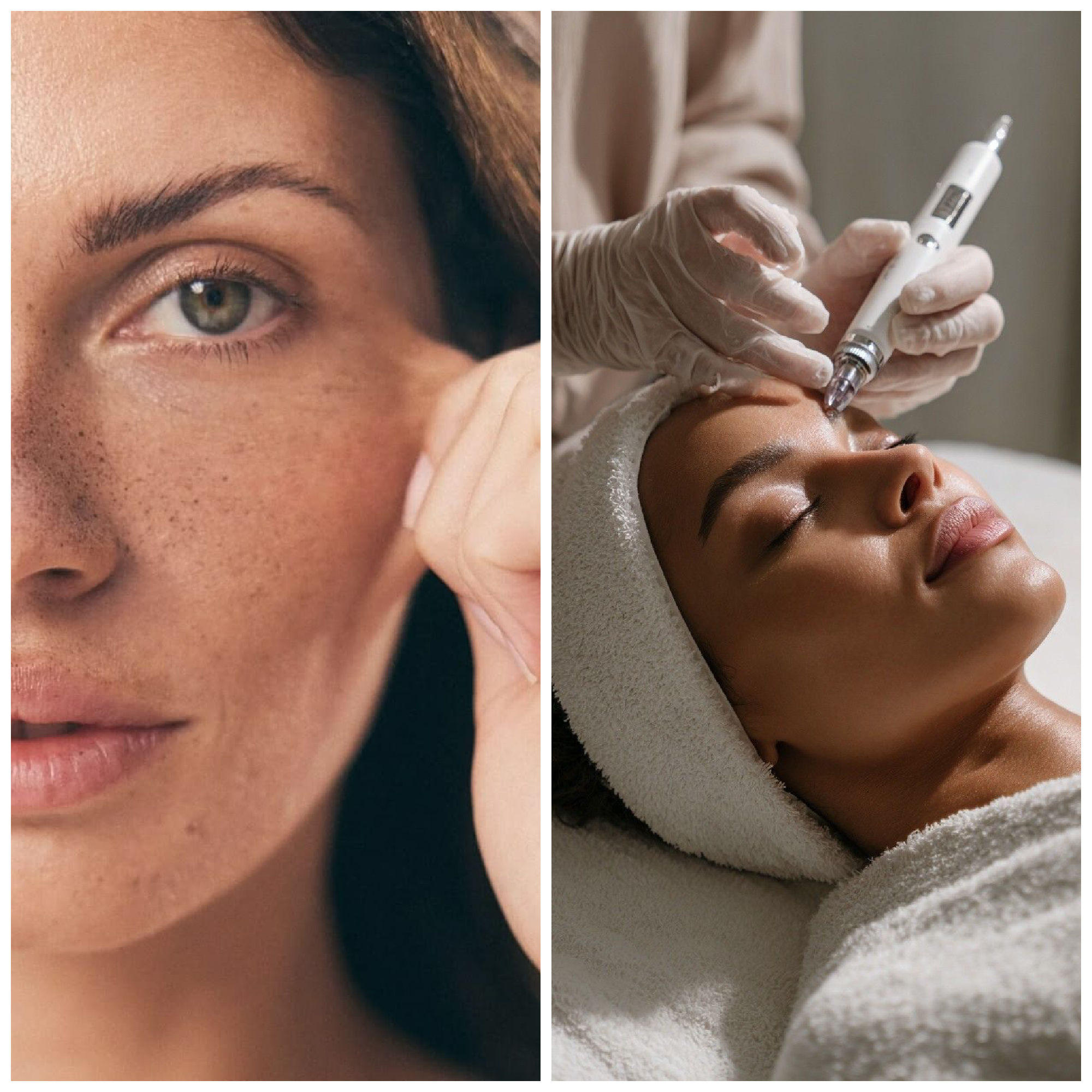
Skin laxity is not a simple collagen shortage
The phrase “collagen loss” is useful, but it hides a messy biological problem.
Ageing skin does not lose one thing in one predictable way. Fibroblast activity changes. Collagen turnover becomes less balanced. Elastin architecture deteriorates. Glycosaminoglycan distribution shifts. The extracellular matrix loses some of the organized mechanical behavior that gave younger skin its density and recoil.
And those changes do not occur at the same rate in every patient.
A patient with early lower-face laxity and reasonably preserved volume presents a different problem from someone with marked photodamage, dermal thinning, and tissue descent. Treating both with the same strategy because they fall under the broad label of “skin ageing” is where aesthetic medicine starts to become formulaic.
This is also why I have become less enthusiastic about treatment plans built around a single endpoint.
“Lift.”
“Tighten.”
“Stimulate collagen.”
Those phrases are convenient, though they flatten an important clinical distinction. Tissue remodeling is not the same thing as mechanical filling, and collagen stimulation is not automatically useful if the treatment choice ignores skin quality, tissue thickness, baseline volume, or the patient’s broader pattern of ageing.
Synthetic peptide research is interesting because peptides offer a way to think in signals rather than bulk material.
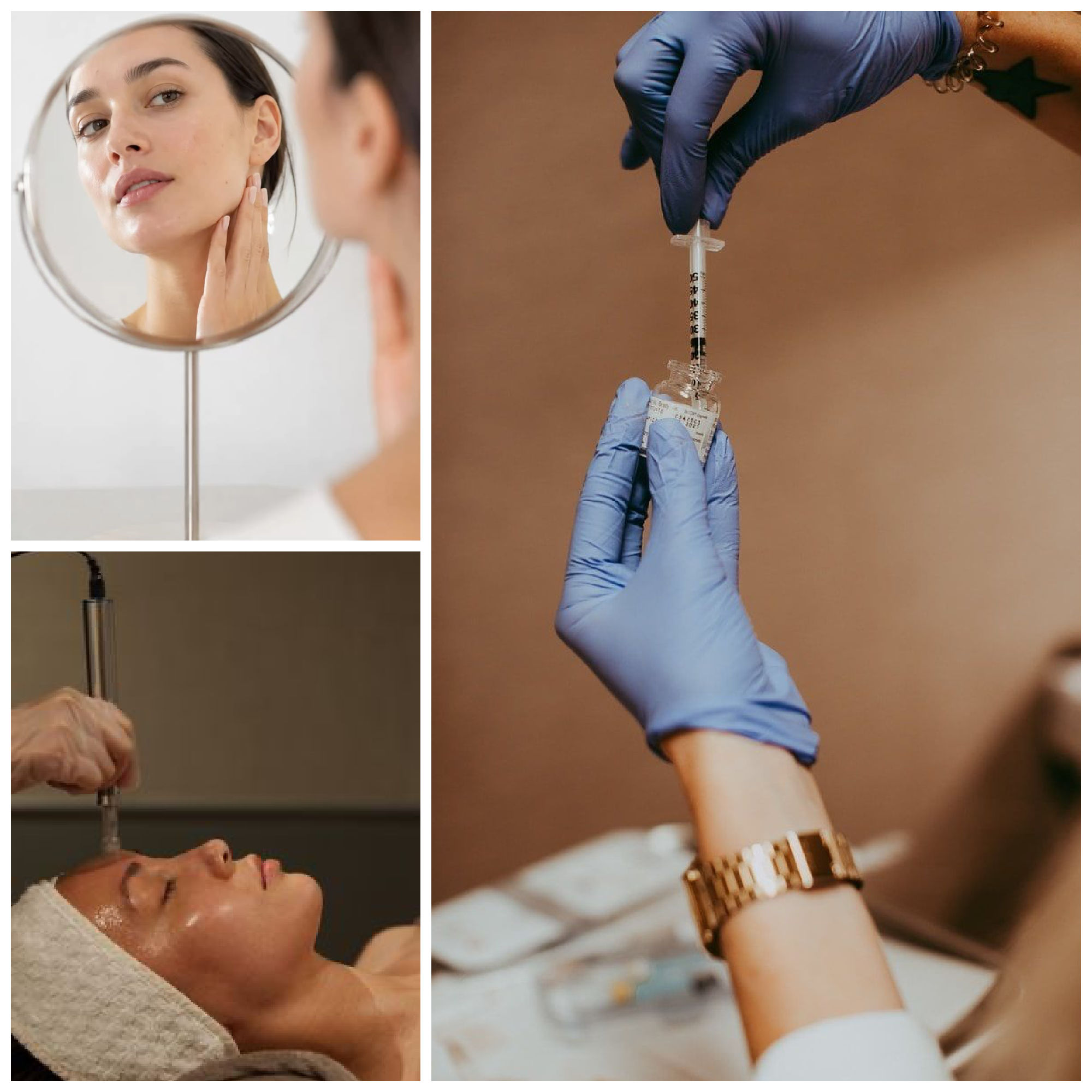
What synthetic peptides bring to the research conversation
Peptides are short chains of amino acids, but the clinically relevant question is not their size. It is their intended biological role.
Some peptide systems are investigated as signaling molecules. Others are designed around carrier functions or enzyme-related activity. In cosmetic and regenerative research, the attraction is obvious. If a defined peptide sequence interacts with a biological pathway involved in fibroblast behavior, extracellular matrix activity, or inflammatory signaling, researchers have a more targeted starting point than simply adding another generic active ingredient.
The important word here is starting point.
A peptide showing activity in a laboratory model does not automatically translate into meaningful clinical remodeling in human skin. Concentration matters. Stability matters. Delivery matters. Tissue penetration matters. The formulation surrounding the peptide matters. And, most importantly, the biological model used during research may have little resemblance to a 52-year-old patient’s chronically photoaged skin.
This is where I think the field needs more discipline.
There is a difference between peptide research as a scientific direction and treating every peptide-containing formulation as a proven clinical intervention. Those two ideas are often blurred together.
Still, the direction itself is worth watching because aesthetic medicine is gradually moving toward a broader category of treatments designed to influence tissue behavior rather than simply occupy space.
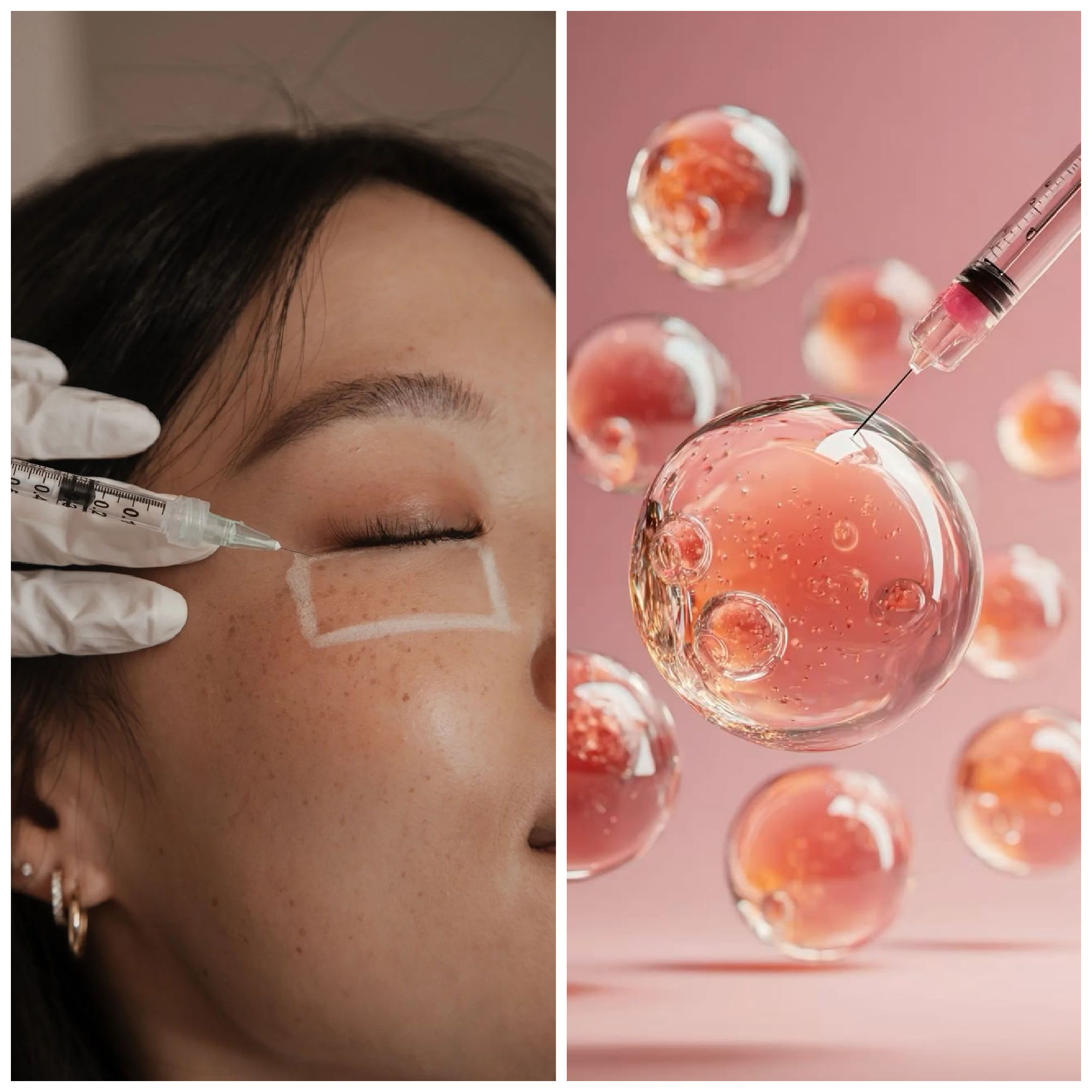
The overlap with injectable bio-remodeling
Synthetic peptide research and injectable skin bio-remodeling are not interchangeable. This distinction matters.
Peptide-based research generally focuses on defined molecular sequences and their biological activity. Injectable bio-remodeling products may work through different mechanisms, including tissue hydration, extracellular matrix interaction, mechanical signaling, or stimulation of cellular activity.
A clinician looking at progressive skin laxity therefore needs to separate the research category from the treatment category.
One useful decision point is the type of biological material being evaluated. Peptide research involves examining sequence design, purity, concentration, stability, and intended cellular targets. Injectable bio-remodeling products require a different assessment that includes rheological behavior, injection plane, tissue integration, treatment protocol, safety data, and the patient’s anatomy.
For professionals researching peptide-related aesthetic science and comparing the wider bio-remodeling product category, resources where licensed practitioners can review products such as Profhilo® Body Kit, H+L, and Structura, alongside clinical information on mechanism, application approaches, and safety, provide a practical point of reference. Those researching the molecular side of this field can also buy cosmetic peptides for lab research through specialist professional channels when appropriate for legitimate research purposes. The important point is not to treat these products as identical. A laboratory peptide and an established injectable bio-remodeling protocol answer different questions.
That distinction sounds obvious. In practice, it is often where the conversation becomes confused.
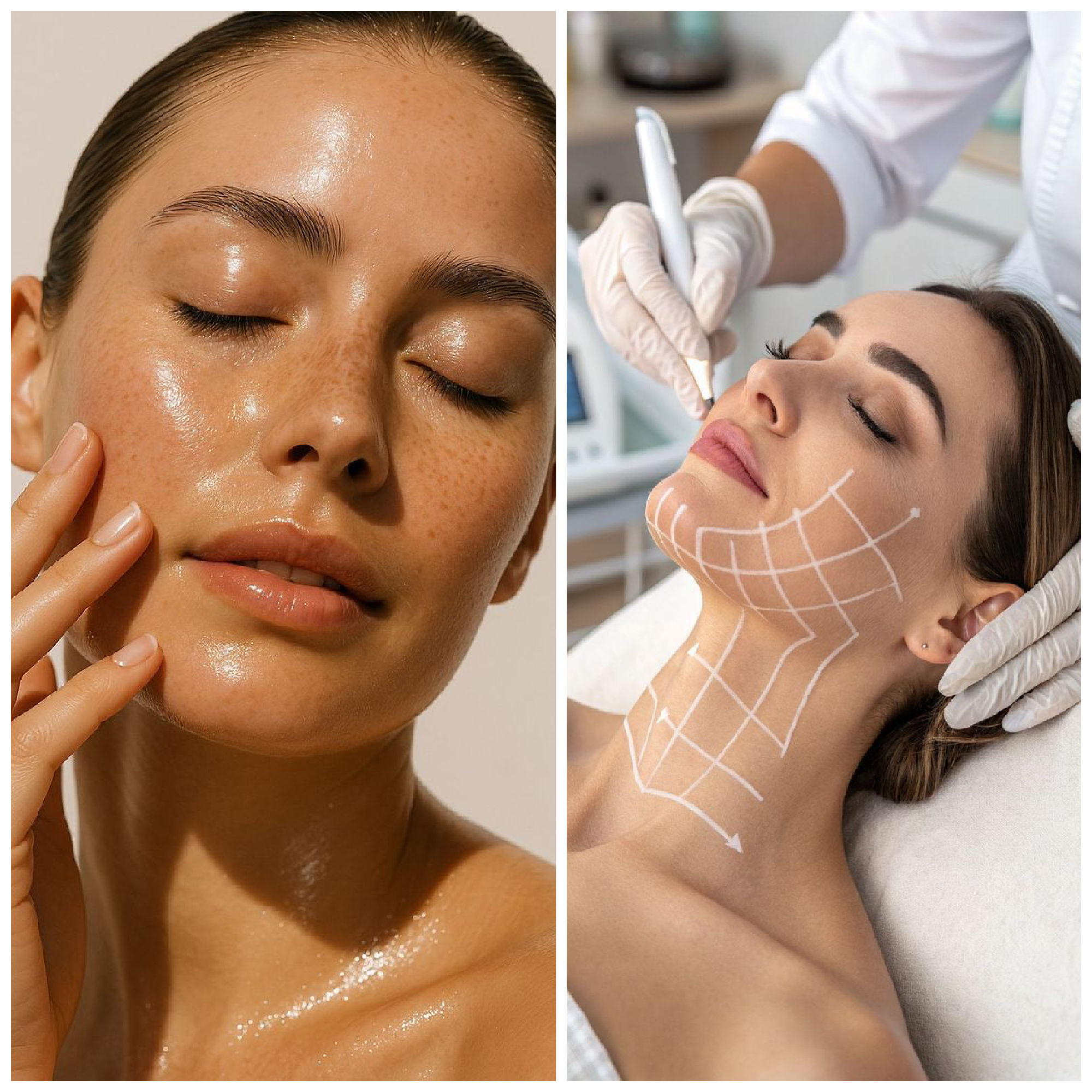
A practical framework for selecting the right direction
I find it more useful to start with the clinical problem than the product.
| Clinical question | More relevant treatment direction |
| Is the main issue volume loss and structural depletion? | Structural volumization or a support-focused approach |
| Is volume reasonably preserved but skin quality is declining? | Bio-remodeling or regenerative approaches may deserve priority |
| Is the concern superficial texture, pigmentation, or photodamage? | Resurfacing and skin-directed treatments may be more relevant |
| Is the objective to study molecular signaling and fibroblast activity? | Controlled peptide and cellular research |
| Is laxity severe with significant tissue descent? | Non-surgical remodeling alone may offer limited correction |
The last row is particularly important.
One of the common mistakes in aesthetic practice is treating a biological treatment as though it were a substitute for mechanical correction. It isn’t.
If the tissue has descended significantly, improving dermal quality may improve the appearance without producing the degree of repositioning the patient expects. Promising otherwise creates dissatisfaction before the needle ever touches the skin.
On the other hand, using a structural filler where the dominant issue is declining tissue quality can lead to the opposite problem. More product gets added because the first treatment did not address the biological issue underneath it.
Sometimes the right decision is to do less.
The part of peptide research that deserves closer scrutiny
The most valuable research questions are not always the ones with the best marketing language.
I am more interested in questions such as these:
- Which peptide sequences produce reproducible biological effects in relevant human tissue models?
- How stable is the molecule before it reaches the intended tissue?
- Does the delivery system preserve biological activity?
- What happens after repeated exposure?
- Is the observed effect clinically meaningful or only statistically detectable?
- How does the response differ in younger and older skin?
- Does the treatment alter collagen production, collagen organization, inflammatory signaling, or several processes at once?
Those details matter because “collagen stimulation” is too broad to guide serious treatment development.
A rise in a laboratory marker is not the same as improved dermal architecture. Increased fibroblast activity is not automatically equivalent to better clinical outcomes. And even visible improvement needs context. A statistically positive result over a short observation period tells us less than a durable response measured against an appropriate comparator.
This is where dermatology and aesthetic medicine benefit from keeping one foot firmly in research methodology.
The beauty industry has a habit of taking a plausible biological mechanism and moving straight to the consumer-facing promise. Clinical professionals should slow that process down.
Common selection mistakes in bio-remodeling practice
The mistakes are often less dramatic than a technical complication. They start with poor categorization.
Treating every loose area the same
The neck, malar region, perioral area, arms, and abdomen do not behave like interchangeable pieces of tissue. Thickness, mobility, fat distribution, photodamage, and mechanical stress differ.
A protocol should reflect the area.
Confusing hydration with structural correction
Improved hydration can change how skin reflects light and how fine crepiness appears. That does not mean the underlying tissue has gained meaningful structural support.
Both outcomes have value. They are not the same outcome.
Overestimating what progressive remodeling looks like
Patients often understand an immediate result more easily than a biological one. If the treatment works through gradual tissue response, expectation management has to begin before treatment.
Showing a patient a dramatic post-filler transformation as a reference point for a bio-remodeling procedure is asking for trouble.
Ignoring baseline anatomy
Thin, photodamaged skin with limited subcutaneous support deserves a different conversation from skin laxity occurring over substantial volume loss. Product selection without anatomical assessment turns treatment planning into menu ordering.
Assuming newer molecular science means stronger clinical evidence
This one matters in peptide research. A sophisticated mechanism does not exempt a treatment from the usual questions about study design, reproducibility, safety, and clinical relevance.
In fact, the more specific the biological claim, the more specific the evidence should be.
Where the next phase of beauty biotech may be heading
The long-term opportunity is not likely to come from replacing one injectable with another.
It is more likely to come from better matching.
Matching molecular signals to specific tissue states. Matching formulations to delivery environments. Matching bio-remodeling strategies to the patient’s anatomical problem instead of applying a standardized protocol to every form of laxity.
Synthetic peptide research fits into this direction because it encourages researchers to think about biological specificity. But specificity also creates complications. A peptide sequence with an interesting effect in one model may behave differently in another. The interaction between formulation chemistry and tissue biology is rarely simple.
And this is where the hype tends to fade and the serious work begins.
For aesthetic clinic owners, the practical lesson is not to chase every new molecule. It is to build a better filter for evaluating what enters the practice. Look at the biological rationale, then look at the human evidence. Consider the treatment mechanism, then ask whether it matches the anatomical problem sitting in front of you.
For researchers, the opportunity is wider. The unanswered questions around peptide signaling, extracellular matrix remodeling, dermal ageing, and controlled delivery are substantial.
For clinicians, I think the most useful shift is philosophical. Skin ageing is not always something to fill.
Sometimes it needs to be studied, supported, and remodeled with a much clearer idea of what the tissue is doing before we decide what to put into it.
And that is a more interesting direction than another promise of smoother skin.
xoxo


