The Sensory Side of Fashion: Why Some Jewelry Feels Better Than It Looks
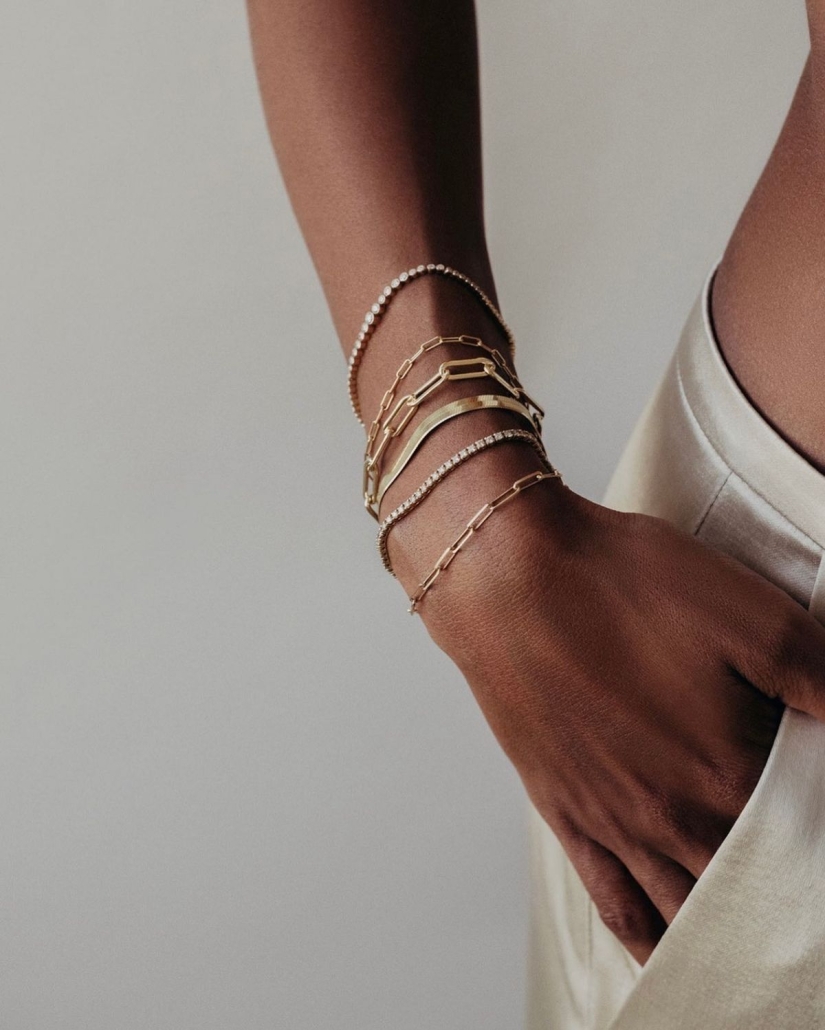
A piece of jewelry can stop someone mid-scroll. The color catches the light, the design feels original, and within seconds it’s in the cart. But once it arrives and actually goes on the body, something shifts, or doesn’t.
That gap between visual appeal and wearing experience is where most jewelry either earns its place or gets left in a drawer. Weight distribution, texture against the skin, the way a piece moves with the body or resists it — these are the details that a photograph simply cannot communicate. Sensory jewelry, which prioritizes how a piece feels as much as how it looks, has grown out of the recognition that tactile experience shapes how long someone actually wears something.
The effect goes deeper than comfort alone. A bracelet with smooth, grounding weight or a necklace that sits without pulling can quietly support focus and emotional connection throughout the day. These aren’t abstract benefits — they influence whether a person reaches for a piece every morning or forgets it exists. Texture, temperature, and movement all contribute to a kind of body awareness that feeds into confidence and self-expression in ways that appearance rarely can on its own.
The sections that follow break down exactly which physical qualities drive that wearing experience, and why they matter more than most people think when choosing jewelry they’ll actually love.
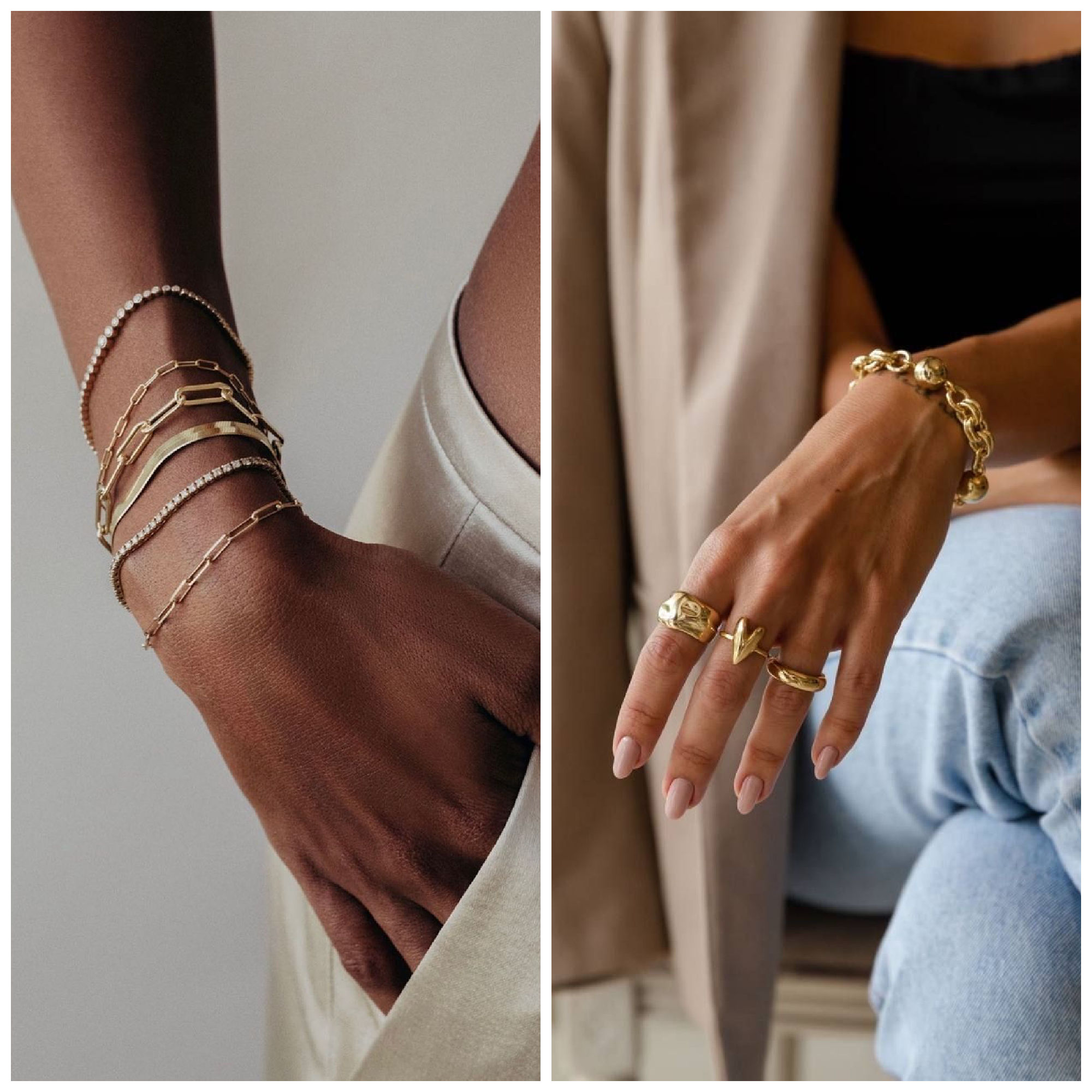
Why Feel Often Matters More Than First Impressions
Jewelry succeeds when it feels good on the body, not just when it photographs well. That distinction sounds simple, but it changes how most people should think about buying and wearing accessories. A piece that looks stunning in an image still has to survive contact with skin, movement through a full day, and the quiet test of whether the wearer keeps it on or quietly removes it by noon.
The gap between visual appeal and wearing experience shows up in texture, weight, temperature, and movement. Each of these qualities communicates something the eye cannot fully process from a distance. Sensory jewelry addresses this directly by treating tactile experience as a design priority rather than an afterthought. When a piece feels right, it tends to support confidence, deepen emotional connection, and become part of how someone expresses themselves daily. When it doesn’t, even the most beautiful design ends up unworn.
What Your Body Notices Before Your Eyes Do
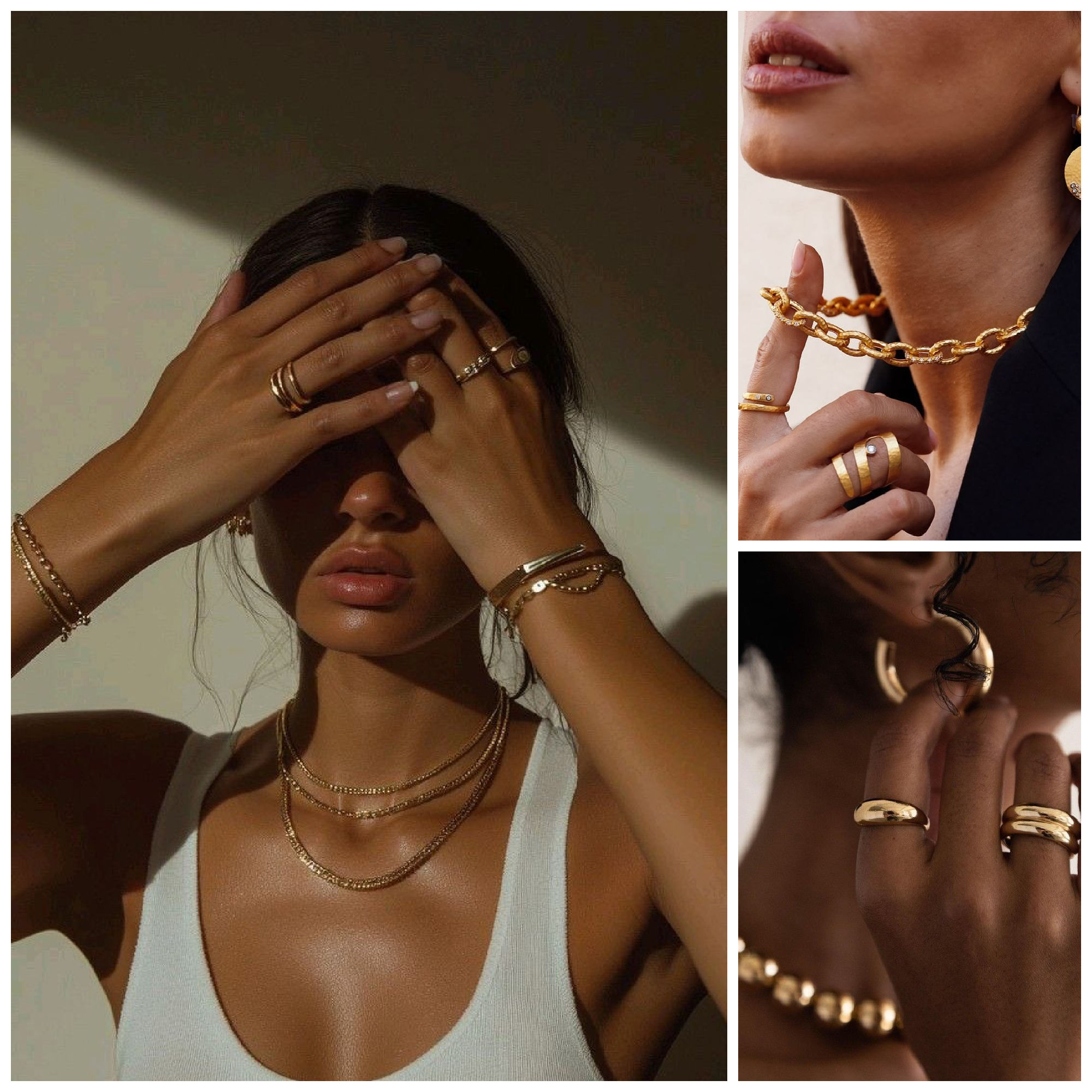
The sensory signals that jewelry sends begin the moment it makes contact with the body. Before color, proportion, or style registers consciously, the skin is already responding to texture, temperature, and weight. Understanding these signals makes it easier to choose pieces that hold up across hours of real wear.
Texture, Temperature, and Skin Contact
The first thing jewelry communicates isn’t color or shape — it’s how it feels the moment it touches the skin. Smooth textures slide against the body without friction, while rough or unfinished edges can pull at clothing, catch on hair, or create low-grade irritation that builds over hours of wear.
Polish level matters more than most people expect. A highly buffed surface on precious metals like sterling silver or gold feels noticeably different from a brushed or hammered finish, even when the visual difference is subtle. Gemstones introduce their own sensory layer — some sit flush and barely register, while bezel-set stones with raised profiles create pressure points that become distracting by mid-afternoon.
Temperature is another early signal. Metal conducts cold quickly, which some wearers find alerting and grounding, while others find it uncomfortable. For those with sensitive skin, the material choice matters even more. Fashion accessories like earrings and necklaces sit directly against the body for hours, so selecting hypoallergenic jewelry metals is worth taking seriously. According to Cords Club, certain metals are far less likely to trigger skin reactions than others, which means the material choice affects more than just aesthetics — it shapes the entire wearing experience from the first hour onward.
Weight, Balance, and Movement on the Body
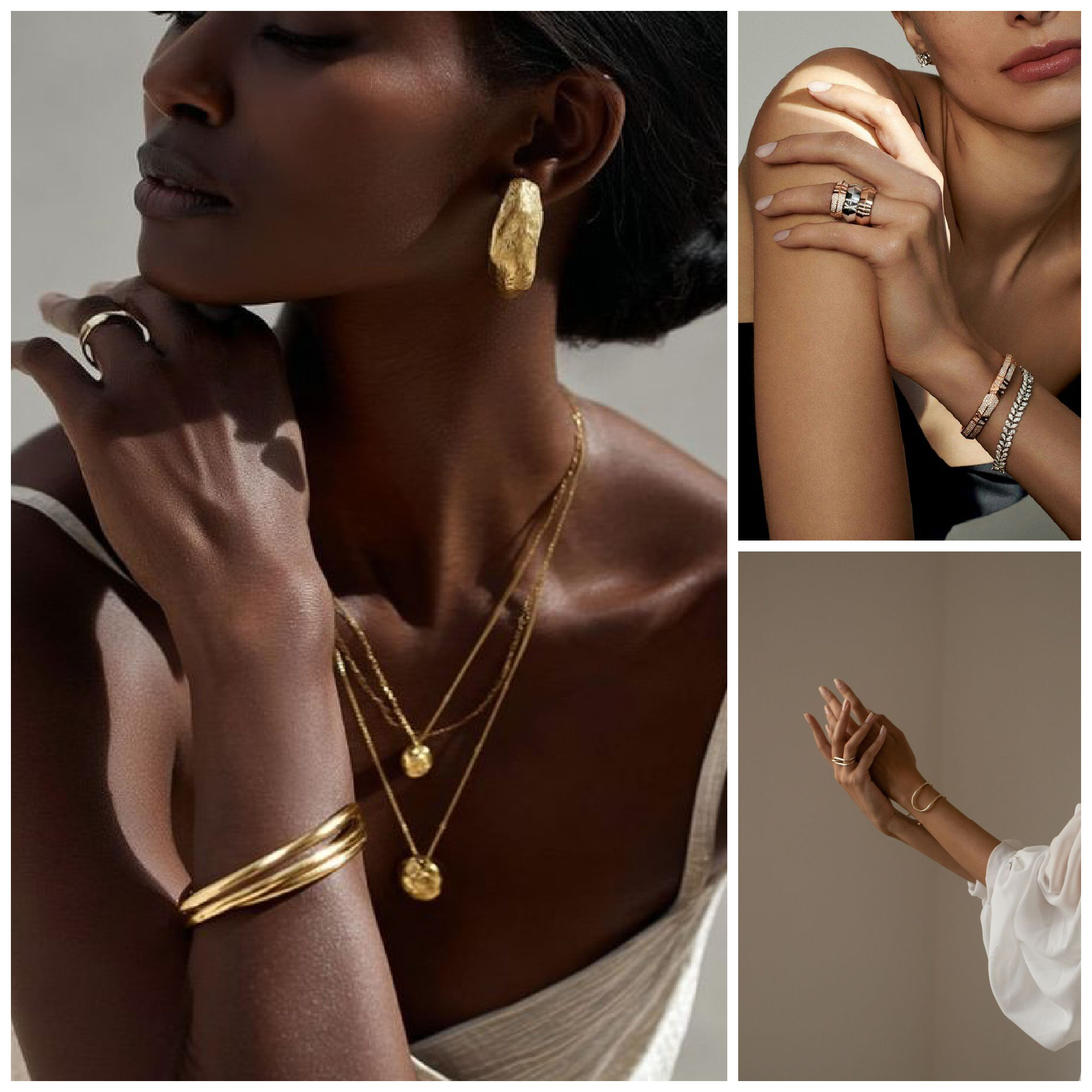
Two rings can look nearly identical and feel completely different once worn. The difference usually comes down to weight distribution — whether mass is centered, front-loaded, or spread evenly across the band.
Lightweight materials like titanium or cord reduce fatigue during long wear, while heavier pieces in dense metals can feel satisfying and grounding if balanced well, or tiring if they pull in one direction. Moving parts add another dimension entirely. A charm that sways, a chain that shifts with the body, or layered elements that produce soft sound can delight one wearer and distract another. That response to sensory stimulation is personal, which is exactly why the same piece earns daily wear from some people and sits untouched by others.
Why Certain Pieces Become Emotional Favorites
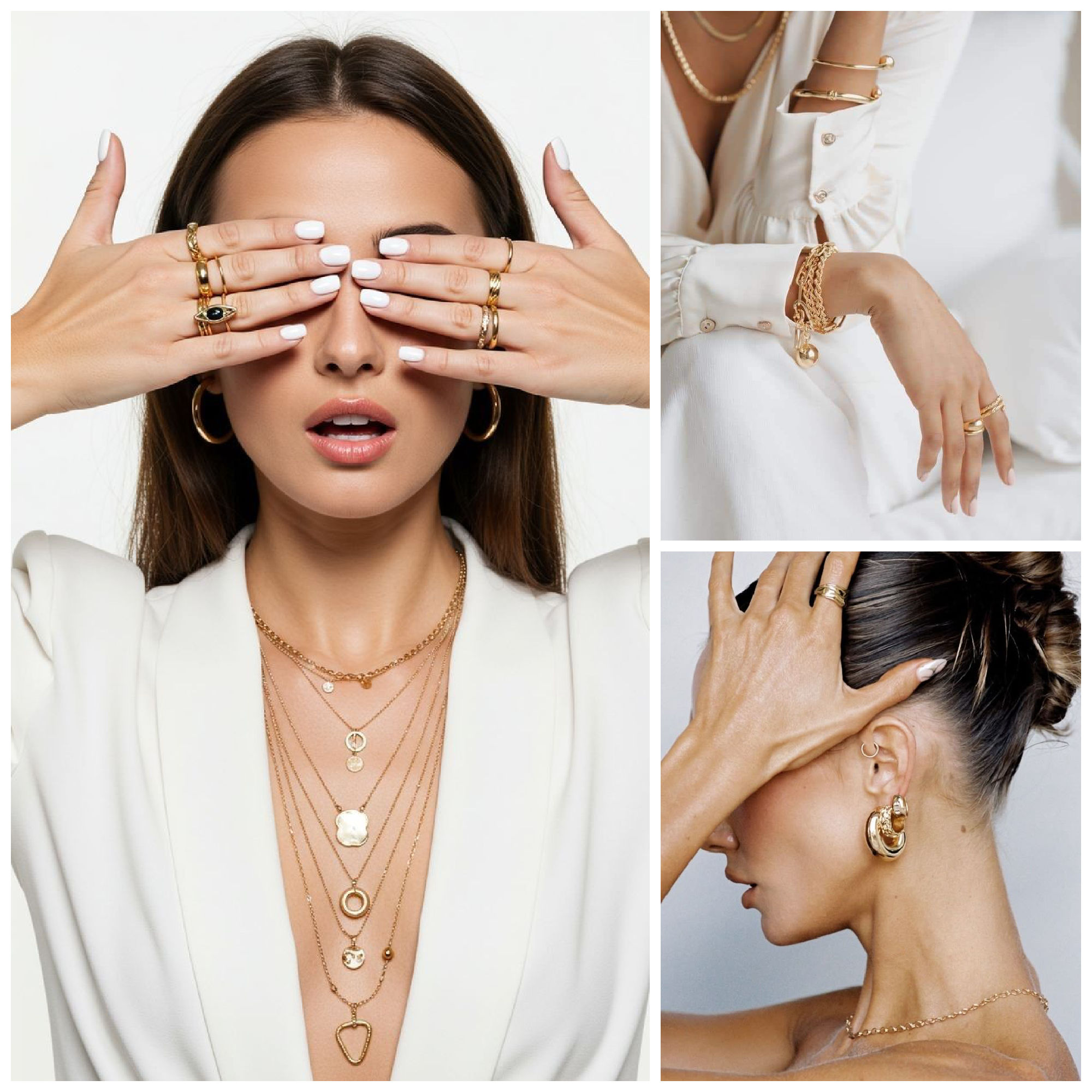
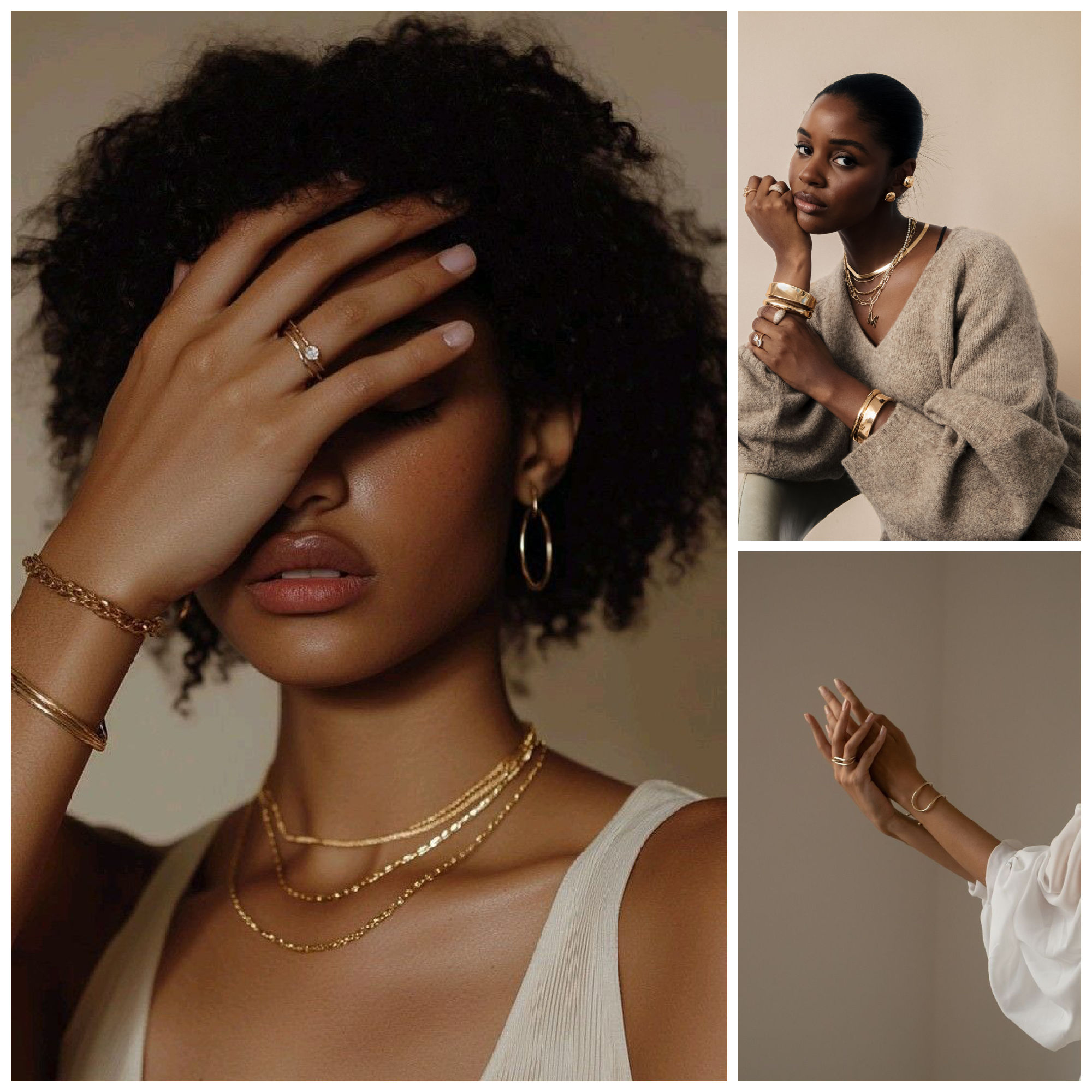
Sensory comfort and emotional attachment are more connected than they might first appear. When a piece feels physically right, it tends to stay on longer, and the longer it stays on, the more meaning it accumulates. Two mechanisms drive this process.
The Link Between Touch and Confidence
There is a psychological concept worth knowing here: enclothed cognition. Researchers at Northwestern University found, through peer-reviewed research, that clothing and accessories influence the wearer’s psychological state based on both their symbolic meaning and the physical experience of wearing them.
Jewelry fits squarely into this framework. When a piece feels physically comfortable, the brain stops registering it as an intrusion and starts treating it as part of the self. That shift matters. Repeated wear builds familiarity, and familiarity builds a quiet kind of reassurance — the feeling of reaching for something and knowing, before even looking in the mirror, that it will feel right. That reassurance connects directly to confidence. A piece that settles well against the body, doesn’t pull or irritate, and moves naturally tends to fade into the background in the best possible way.
When Jewelry Becomes Part of Your Identity
Physical comfort opens the door, but emotional connection is what keeps a piece in daily rotation. When a ring or bracelet feels right on the body and carries personal meaning — a memory, a relationship, a moment — the attachment deepens in ways that pure aesthetics rarely produce.
Cultural symbolism adds another layer. Certain materials, forms, or styles carry weight beyond the individual, connecting wearers to heritage, community, or belief. That combination of sensory familiarity and symbolic meaning is what transforms an object into a form of self-expression that feels genuinely irreplaceable.
How to Tell What Kind of Sensory Wearer You Are
Understanding sensory preference starts with noticing patterns, not diagnosing them. Most people fall somewhere along a spectrum between preferring minimal sensory input and actively seeking it out, and jewelry responds differently to each end of that range.
If You Prefer Calm, Low-Friction Pieces
Some people find that jewelry quickly becomes background noise in the worst sense — a persistent tug, a cool edge that never quite warms up, or a weight that accumulates over hours. For this type of wearer, sensory-friendly design means reduction rather than richness.
Smooth finishes, soft curved edges, and lightweight materials like titanium or fine cord tend to work well here. The goal is pieces that register as neutral once on the body — present enough to feel intentional, quiet enough not to demand attention. Wearers with sensory sensitivities, including those associated with autism or heightened tactile awareness, often gravitate toward this end of the spectrum naturally. Choosing jewelry that works with your outfit also matters here, since visual and physical cohesion reduces the mental load of getting dressed entirely.
If You Like Texture, Motion, or Fidgetable Details
Other wearers actively enjoy sensory engagement. A spinning ring, a charm that sways, a braided or beaded surface — these details offer ongoing tactile input that feels satisfying rather than distracting.
This preference is common among people with ADHD, who often find that subtle movement or texture supports focus without requiring conscious effort. Fidget jewelry sits comfortably within this category, offering a functional outlet through wearable form. These two preference patterns frequently overlap, and neither is fixed — the same person might want grounding weight on a hectic day and textured movement on a calm one.
Choosing Jewelry You Will Actually Want to Keep On
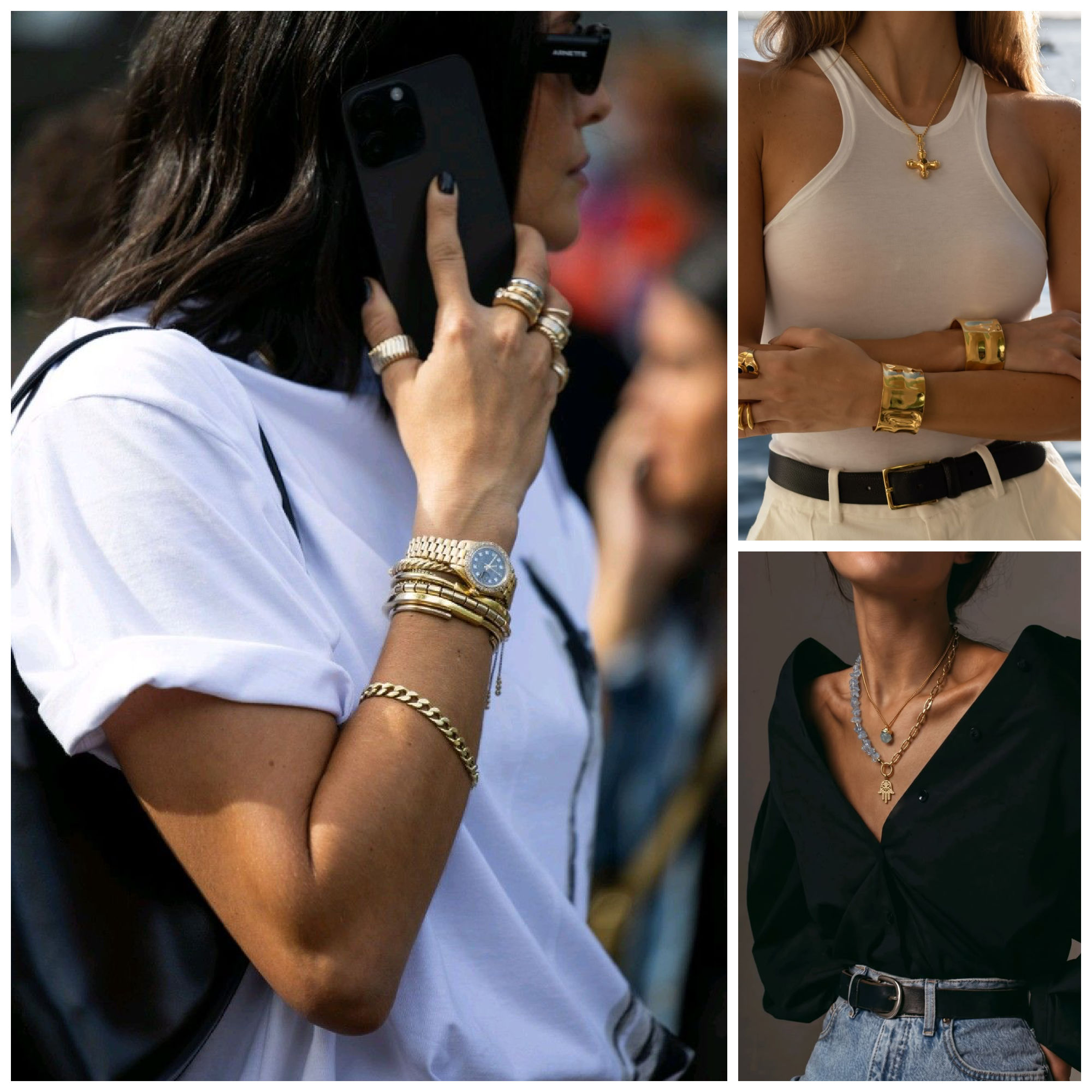
Shopping for jewelry with sensory experience in mind means looking beyond how a piece photographs. Testing it against actual wear conditions — how it moves during a commute, whether the closure irritates by hour three, whether a textured surface stays interesting or becomes distracting — tells far more than appearance alone ever could.
Closures are worth examining closely. A stiff lobster clasp or a sharp toggle edge can turn a beautiful necklace into something that gets removed by noon. Chain behavior matters too: whether links twist, whether a pendant migrates, and how a bracelet sits during typing or reaching are all part of the tactile experience that determines daily wearability.
Sensory-friendly design doesn’t require sacrificing style. Many pieces balance visual appeal with thoughtful construction — smooth edges, well-distributed weight, and surfaces that suit the wearer’s texture preferences. A ring that photographs well but pinches or rotates all day rarely earns repeat wear. The goal is a piece that supports confidence quietly, one that disappears into the body by midmorning and reappears when it matters. For wearers who want those pieces to last, keeping your pieces in top condition is the natural next step after finding them.
The Best Jewelry Earns Its Place by Feel
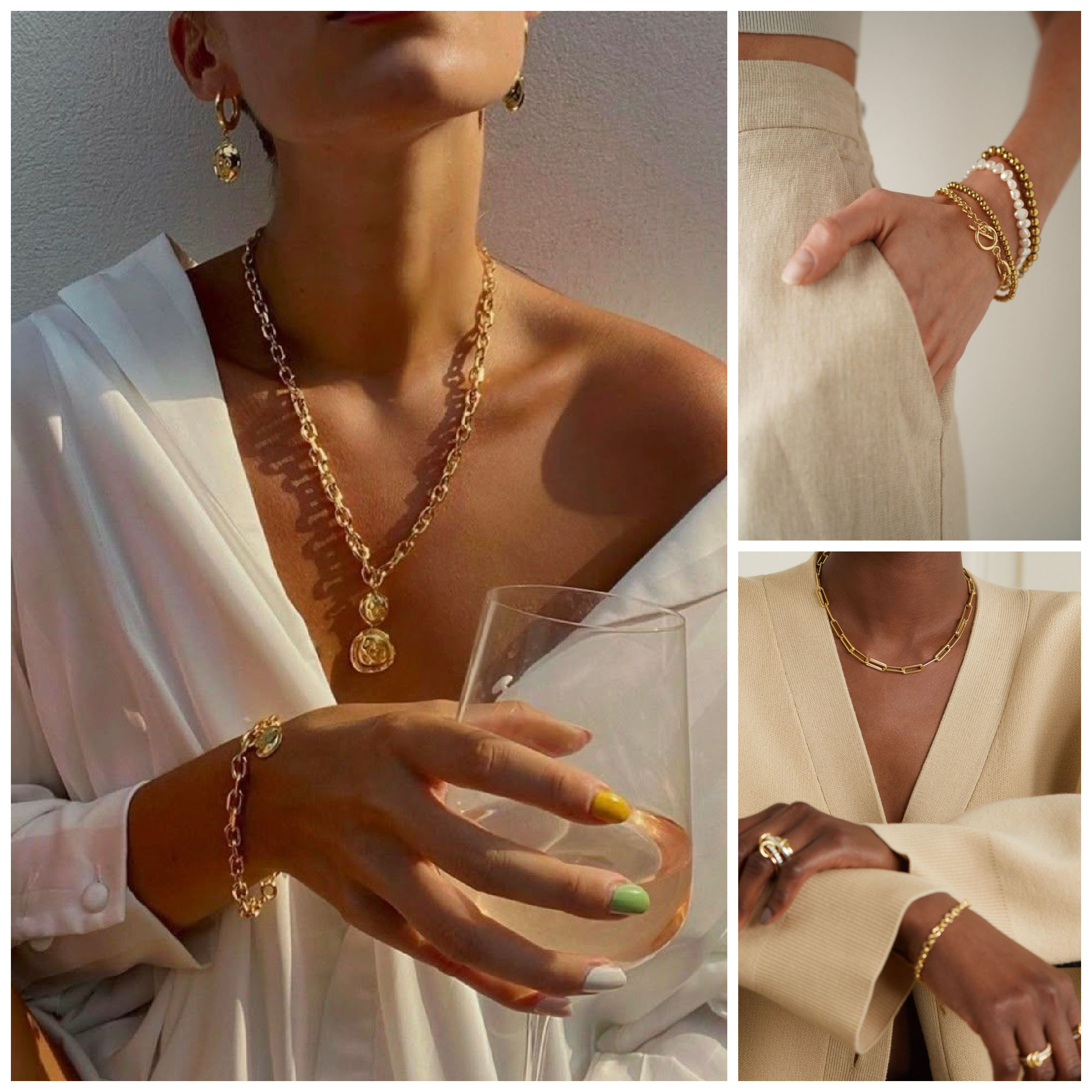
Visual appeal is what draws attention, but tactile experience is what determines whether a piece gets worn again tomorrow. A ring that catches the eye in a display case still has to earn its place against skin, in motion, and across hours of wear.
Texture, weight, movement, and emotional connection all shape that experience in ways a photograph simply cannot replicate. When sensory jewelry is designed with these qualities in mind, the result is something that settles into the body rather than competing with it.
The decision, ultimately, is straightforward: choose pieces that look right and feel natural. Those are the ones that build emotional connection over time and become genuinely difficult to leave behind.
xoxo


