How to Find the Best Sewing Machine for Your Projects and Budget
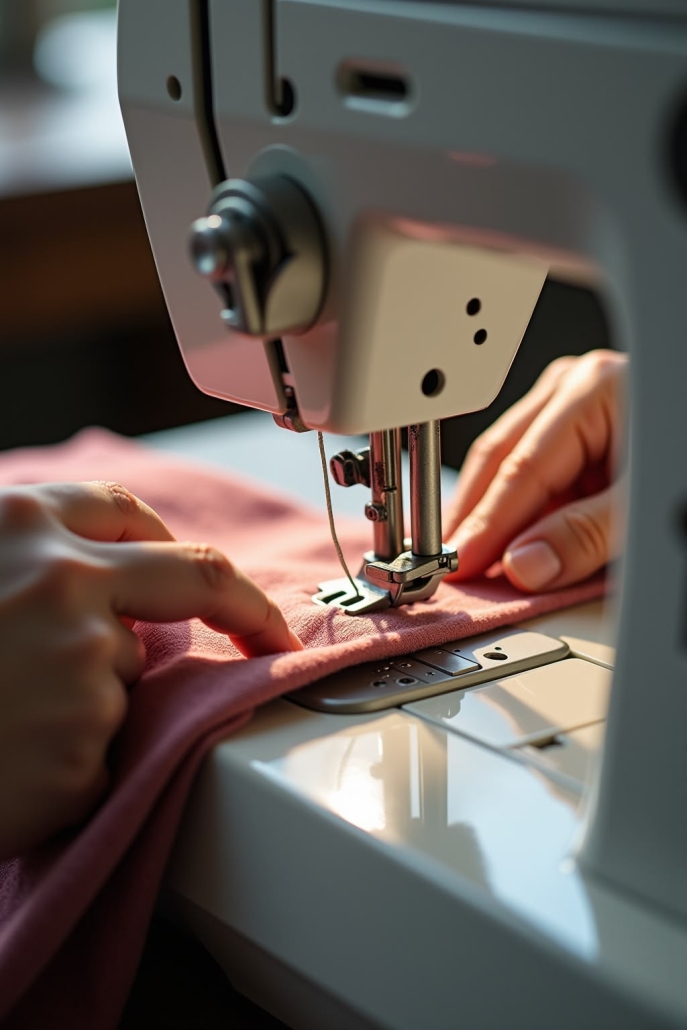
A sewing machine earns its place by matching the work in front of it. Garment repairs, quilting, upholstery, and leatherwork place very different demands on feed control, needle force, and stitch consistency. Price matters, yet cost alone says little about service life or steady performance. A sound choice considers fabric type, daily volume, available space, and upkeep needs, ensuring the machine delivers clean results without creating avoidable strain or waste.
Start by Checking the Details
Clear descriptions make comparisons easier. A buyer who lists fabric weight, stitch type, weekly output, and available workspace can judge what matters most before money changes hands. Reviewing sewing machines for sale online provides useful context on machine classes, motor setups, and accessory options, helping narrow the field with practical details rather than guesswork or broad claims.
Match Fabric Needs
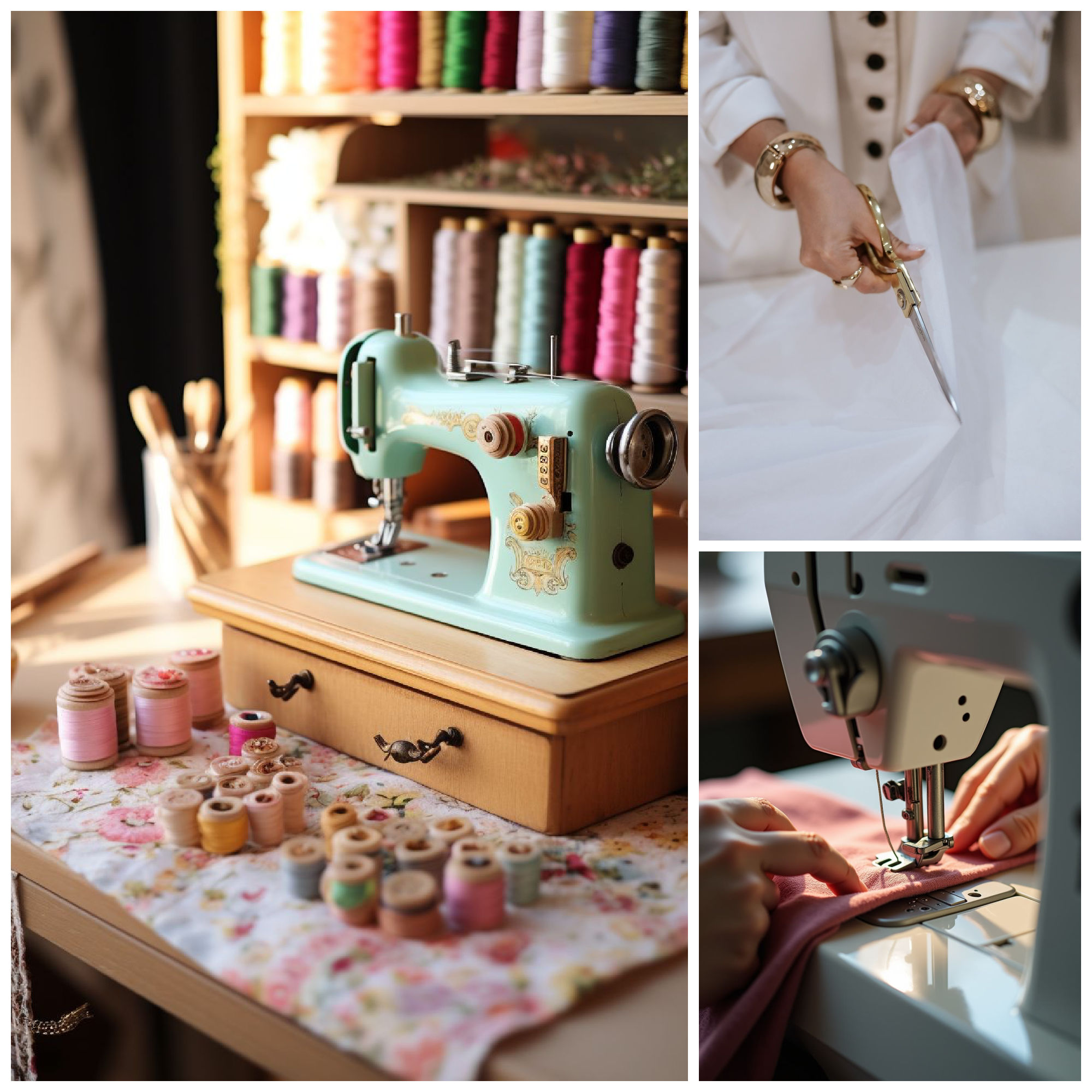
Fabric choice should lead the decision. Cotton shirting, lining, and light repairs usually need modest piercing strength and smooth tension control. Denim, vinyl, canvas, or layered seams call for firmer feeding, stronger needle penetration, and steadier torque. A machine that handles silk beautifully may not work well for heavier hems. By contrast, a powerful unit can feel clumsy during delicate piecing or fine topstitching.
Pick the Machine Class
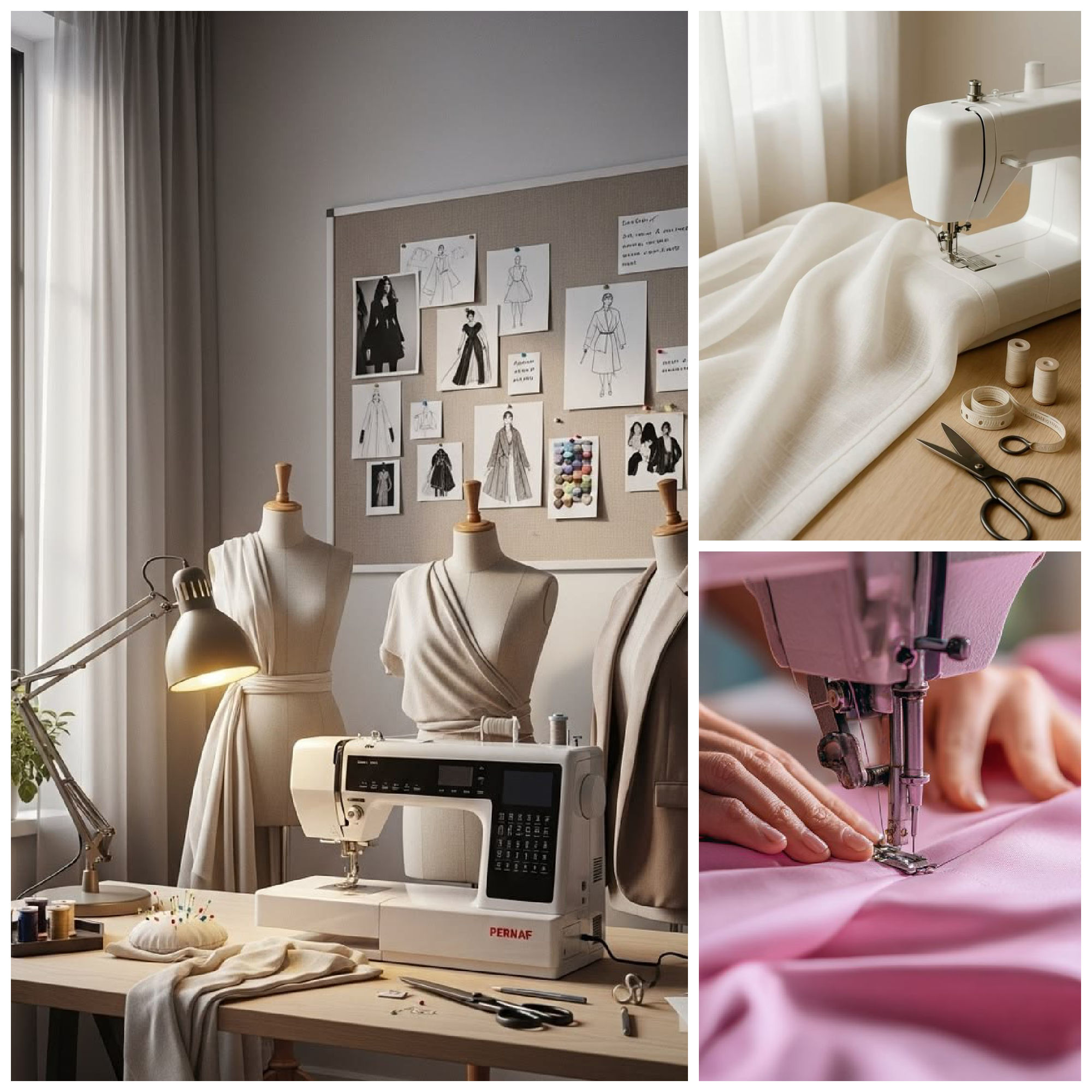
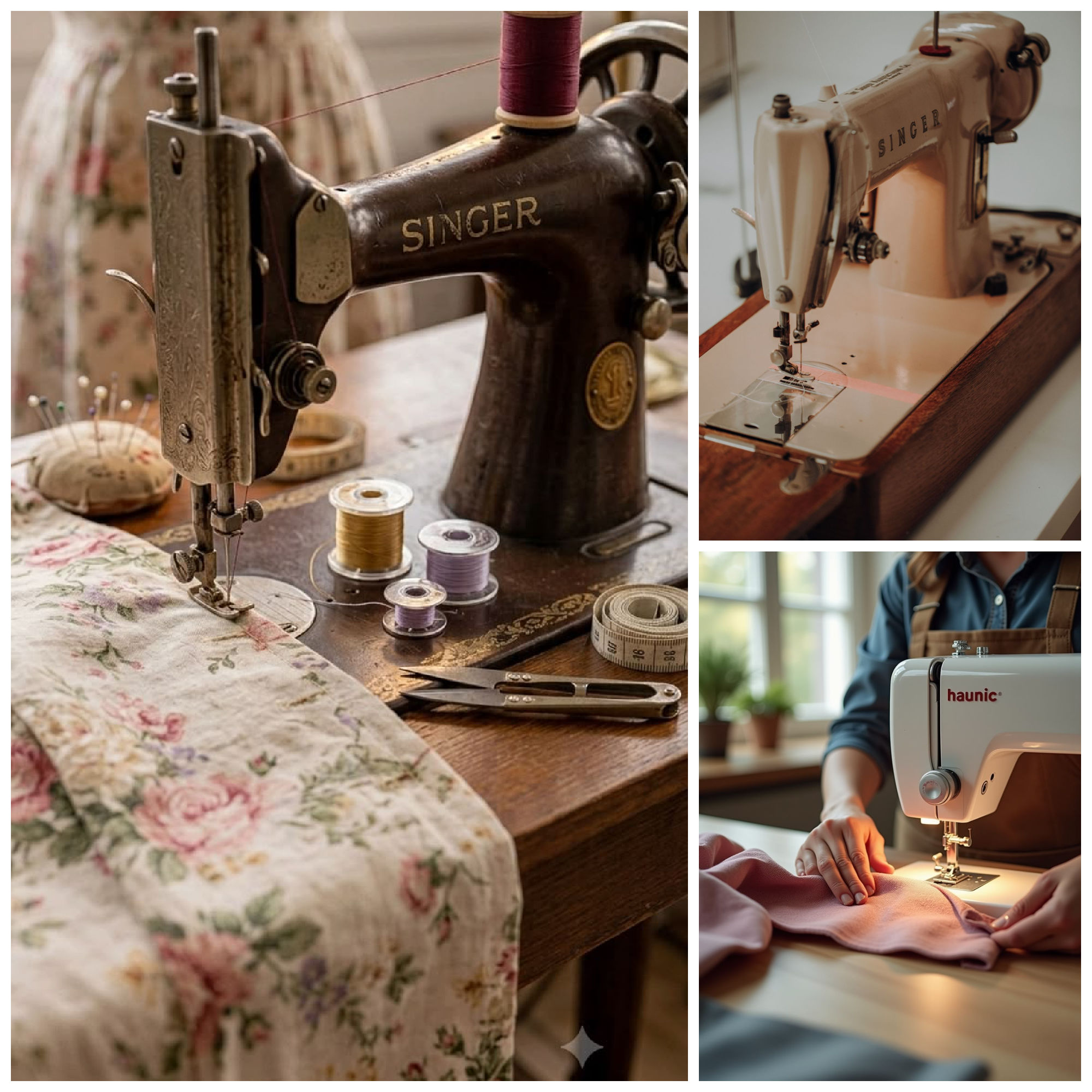
Home machines are suitable for mending, crafts, garments, and occasional quilting. Their footprint stays manageable, the learning curve is usually gentler, and built-in stitch options cover many household tasks without extra attachments. On the other hand, industrial units are suited to repeated use, durable materials, and longer production runs. Speed, stability, and task-specific design are real strengths, though these machines need more space, regular maintenance, and a larger initial outlay.
Build a Budget
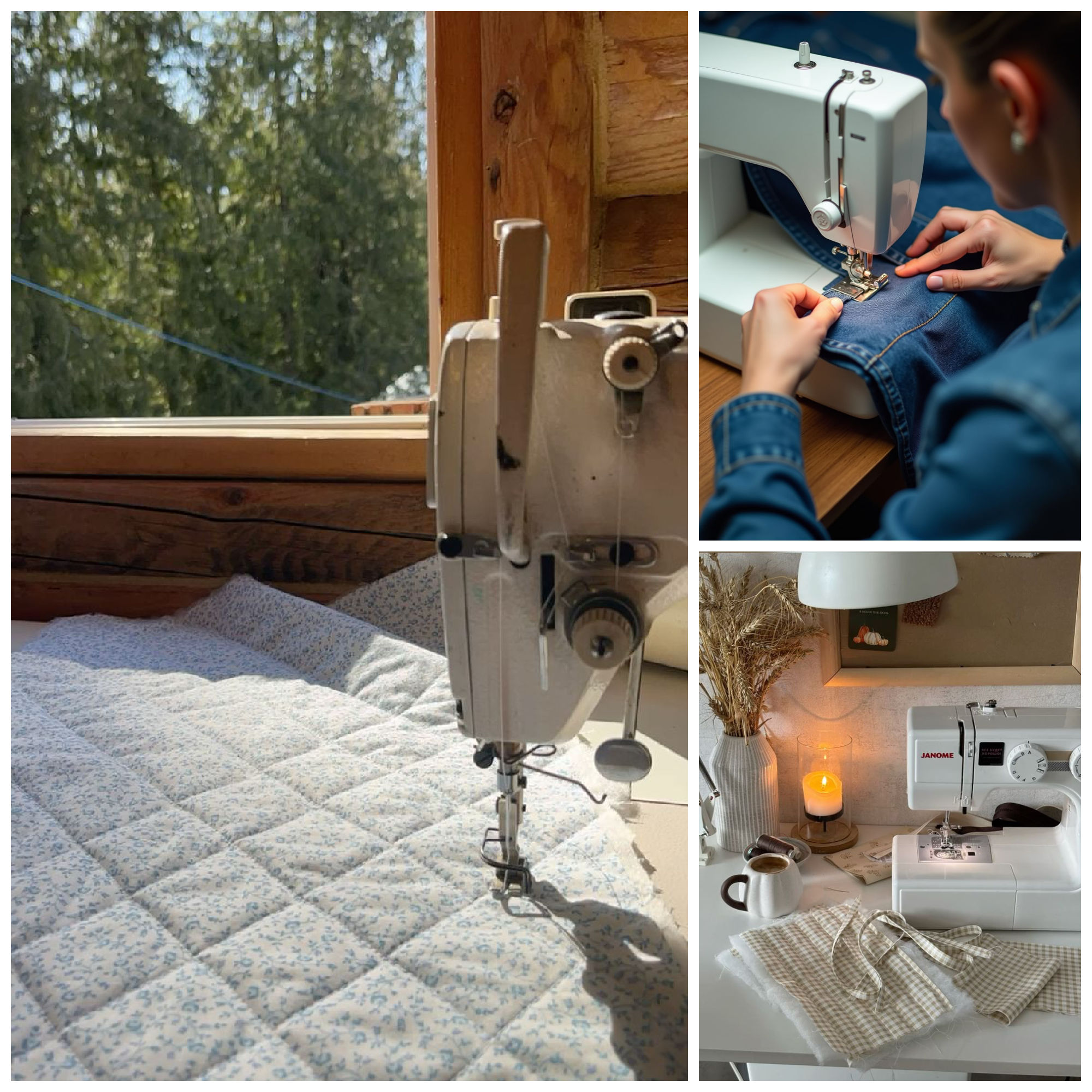
The purchase price is only one part of the bill. Needles, presser feet, bobbins, thread stands, tables, oil, and possible motor upgrades can add up quickly. Service access matters as well, because an inexpensive machine can become costly after frequent adjustments or delayed repairs. Buyers often benefit from comparing total ownership cost over several years, rather than focusing only on the number on the tag.
Focus on the Core Features
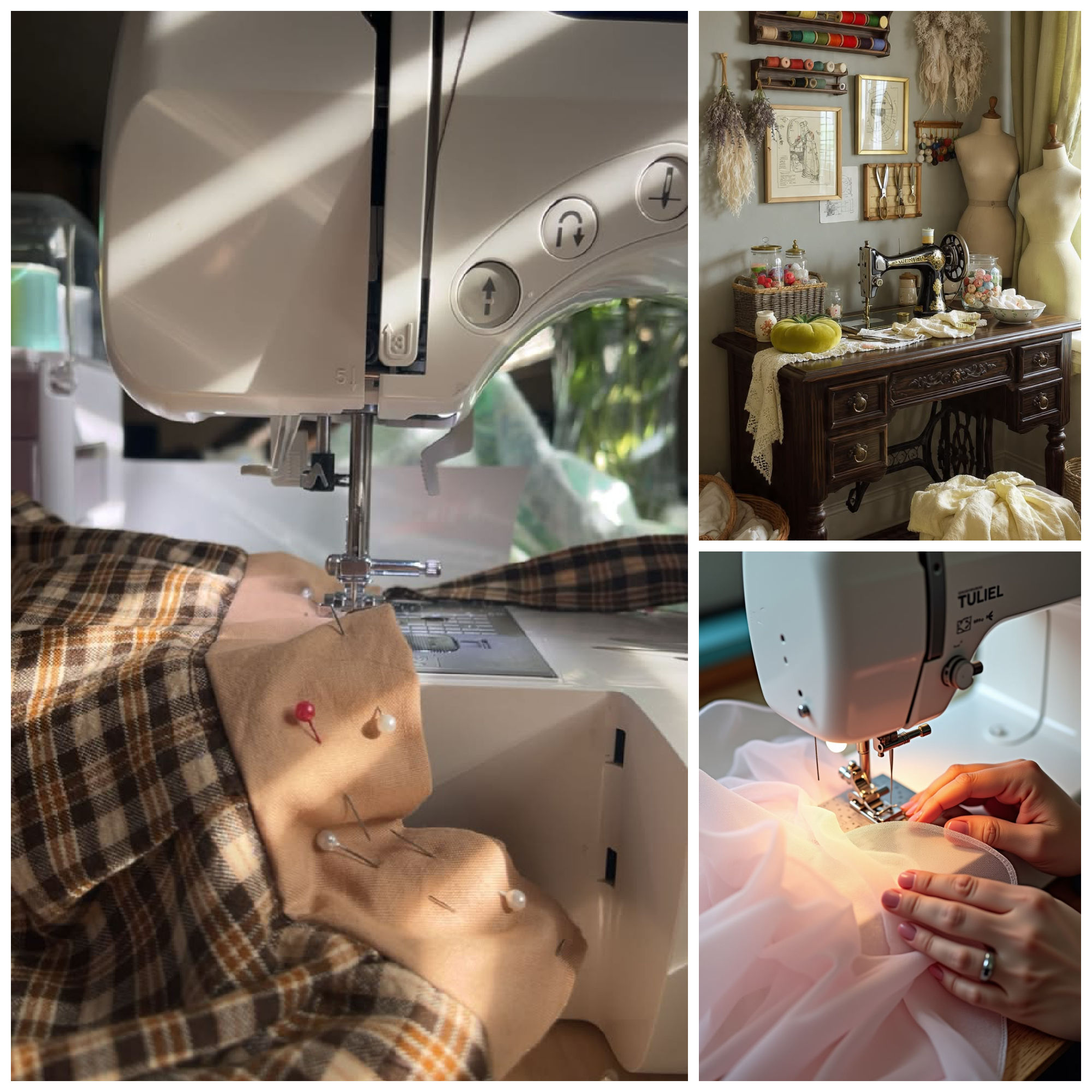
Useful features depend on the projects being sewn. Straight-stitch quality matters more than decorative patterns to many buyers. Adjustable speed improves control during precise work. Presser foot pressure, feed reliability, and clear lighting also deserve attention. A free arm helps with cuffs and sleeves, while a walking foot supports sticky or layered materials. Feature lists should serve daily use, rather than distract from basic performance.
Test Ease of Use
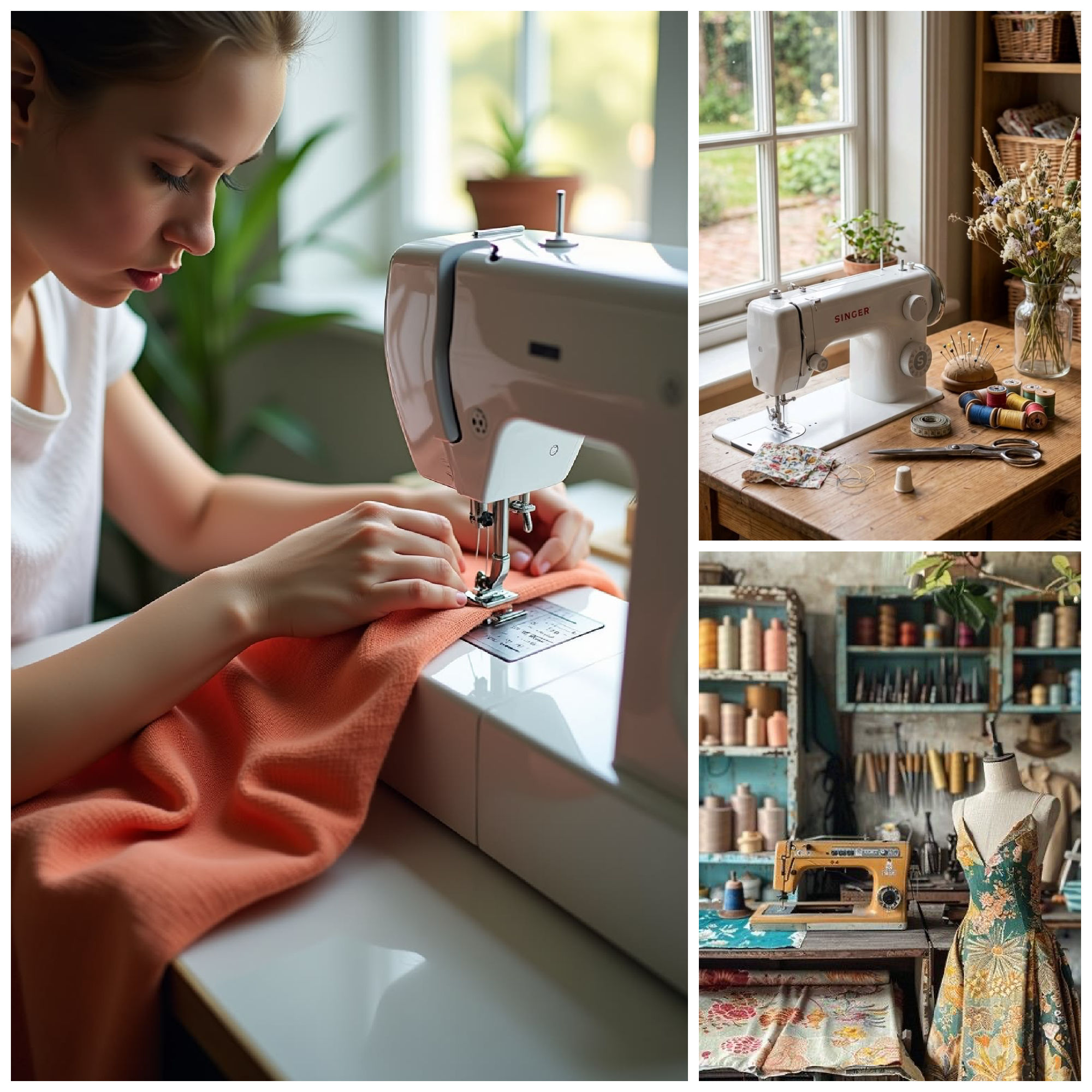
Ease of use affects stitch quality more than many people expect. Threading should feel clear, controls should respond predictably, and pedal pressure should increase speed without sudden jumps. Machine weight also matters, because lighter bodies travel easily yet may vibrate more on thick seams. Noise levels deserve attention in home studios or shared rooms. Awkward handling rarely improves simply because time passes.
Check Support and Parts
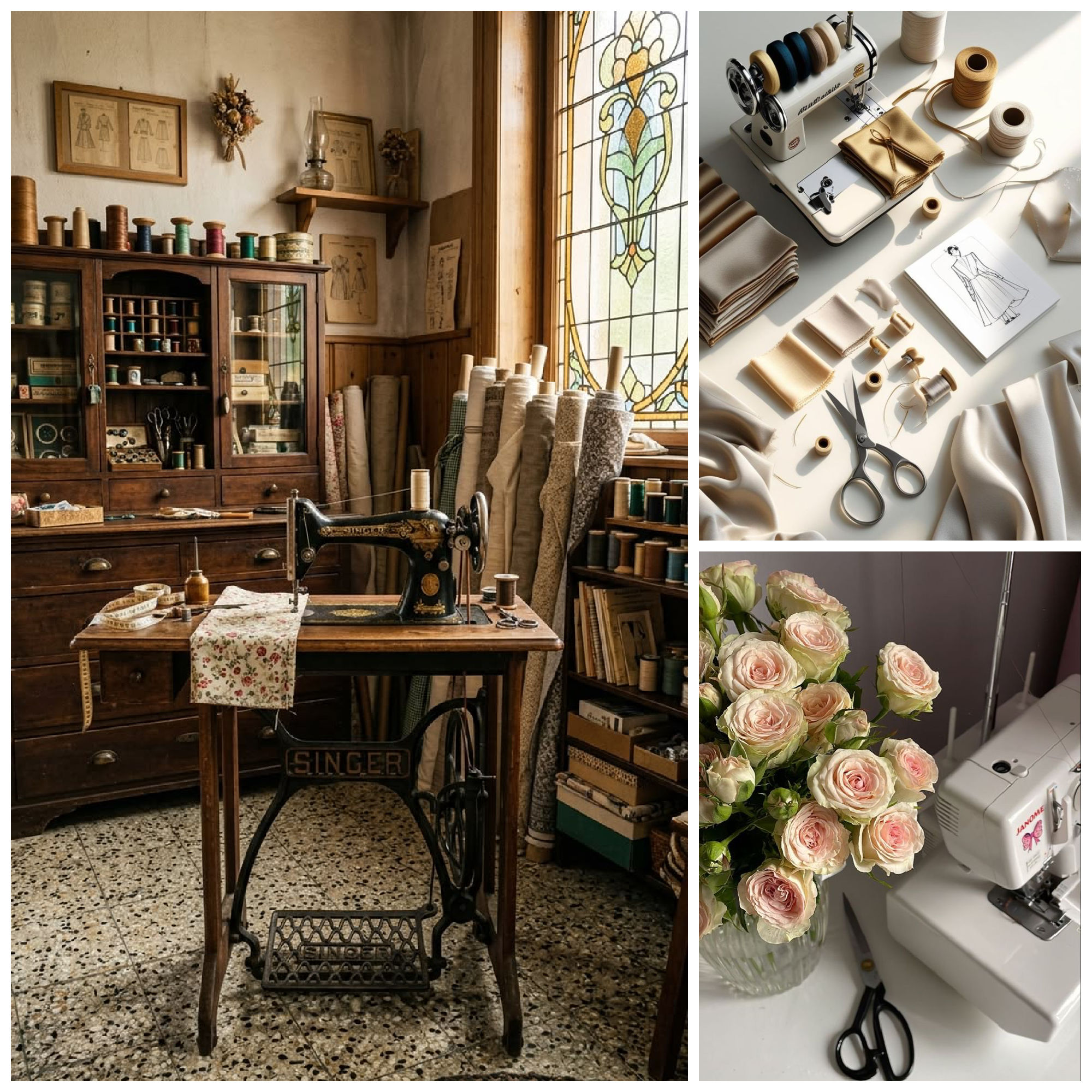
Post-purchase support can save time and money. Replacement parts, manuals, needles, and repair access should be easy to confirm before placing an order. Familiar brands often help, though model-specific availability still deserves a close look. Warranty terms should be read carefully, including labor coverage and shipping responsibility. Reliable service keeps production moving and reduces the frustration that follows avoidable downtime.
Compare Before Deciding
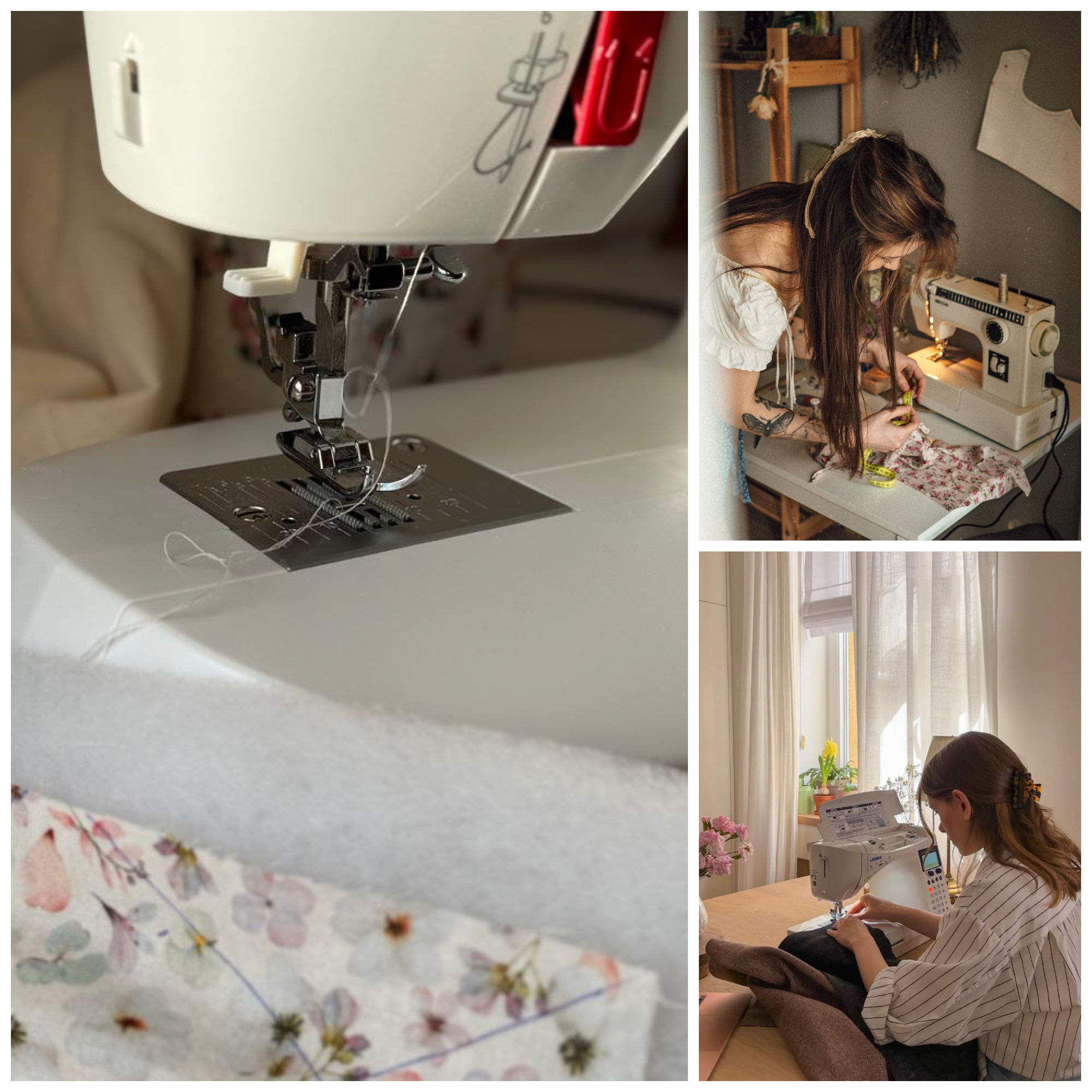
A side-by-side checklist keeps judgment clear. Buyers should compare stitch type, motor style, fabric range, frame stability, included accessories, and service options in one place. Reviews may offer clues, yet technical specifications usually carry more weight than broad praise. Narrowing the list to two or three models makes tradeoffs easier to see. That final comparison often reveals which machine best fits the actual workload.
Conclusion
The right sewing machine supports the work without adding friction. A careful alignment of fabric demands, project volume, feature priorities, and long-term upkeep usually delivers better value than chasing the lowest price. Buyers who compare machine class, handling, support, and ownership cost with patience are more likely to choose well. That discipline pays off in smoother sewing, fewer interruptions, and more dependable results over time.
xoxo