How Statement Buttons Elevate Simple Silhouettes Into Premium Designs
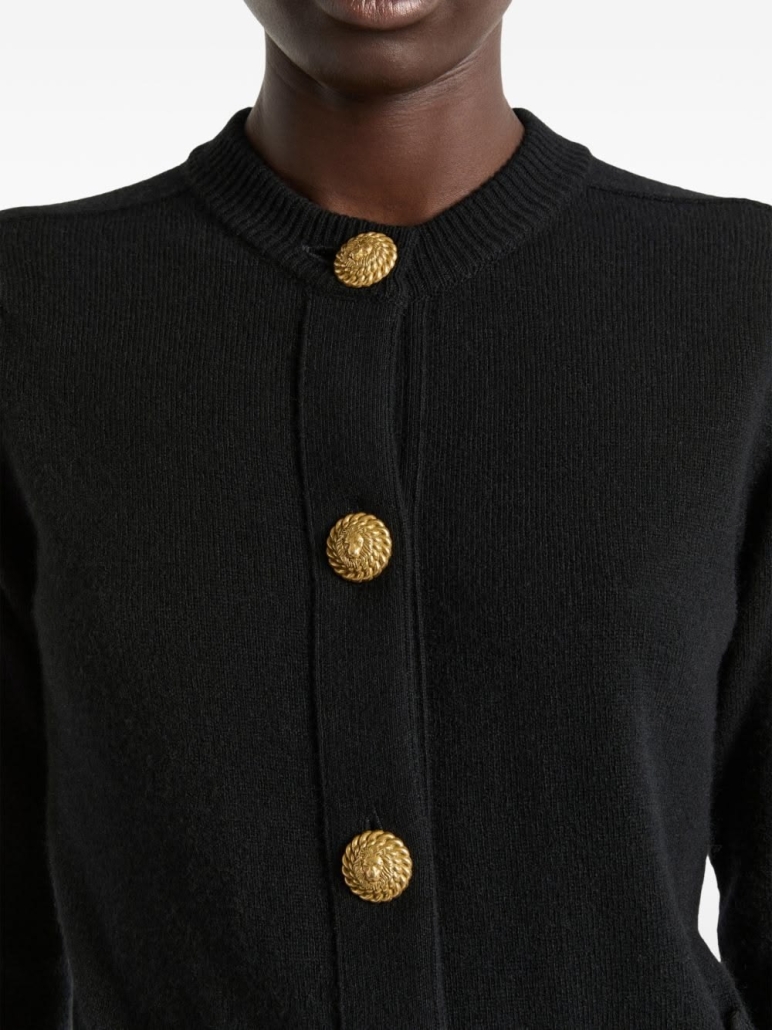
Buttons are increasingly being treated as deliberate design features rather than merely functional closures. Vogue Australia’s September 2025 trend coverage highlighted the renewed use of buttons and grommets, including button-heavy looks from Tory Burch and Celine.
On a simple silhouette, one carefully developed statement button can introduce character, texture and visual focus without relying on print or heavy embellishment. Its impact depends on how the button’s shape, scale, material, finish and placement work with the garment’s proportions, fabric and intended use.
Why Small Details Matter in Minimal Garment Design
Minimal garments contain fewer decorative elements, making every visible trim, seam and finish more noticeable. A standard button may disappear into the placket, while a distinctive statement button can establish the character of the entire piece.
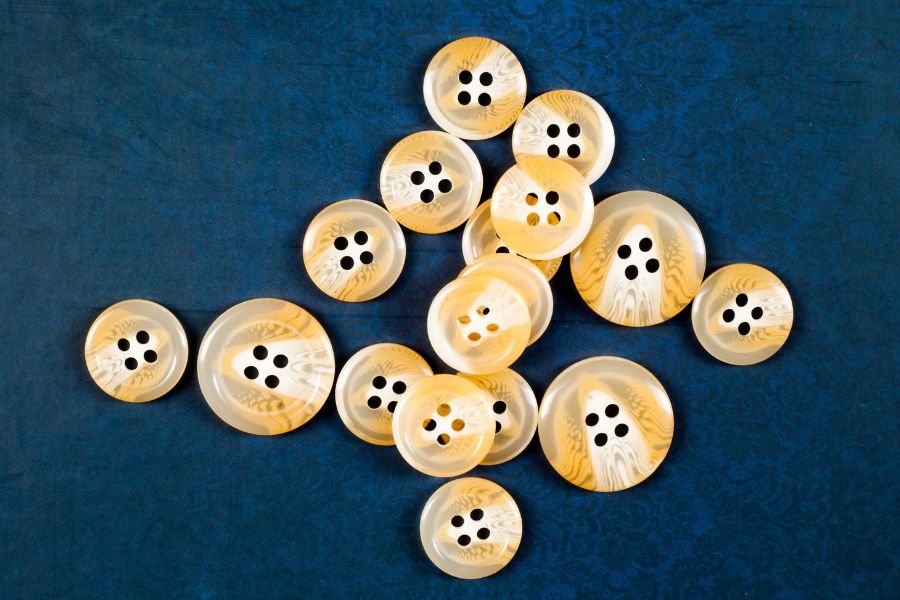
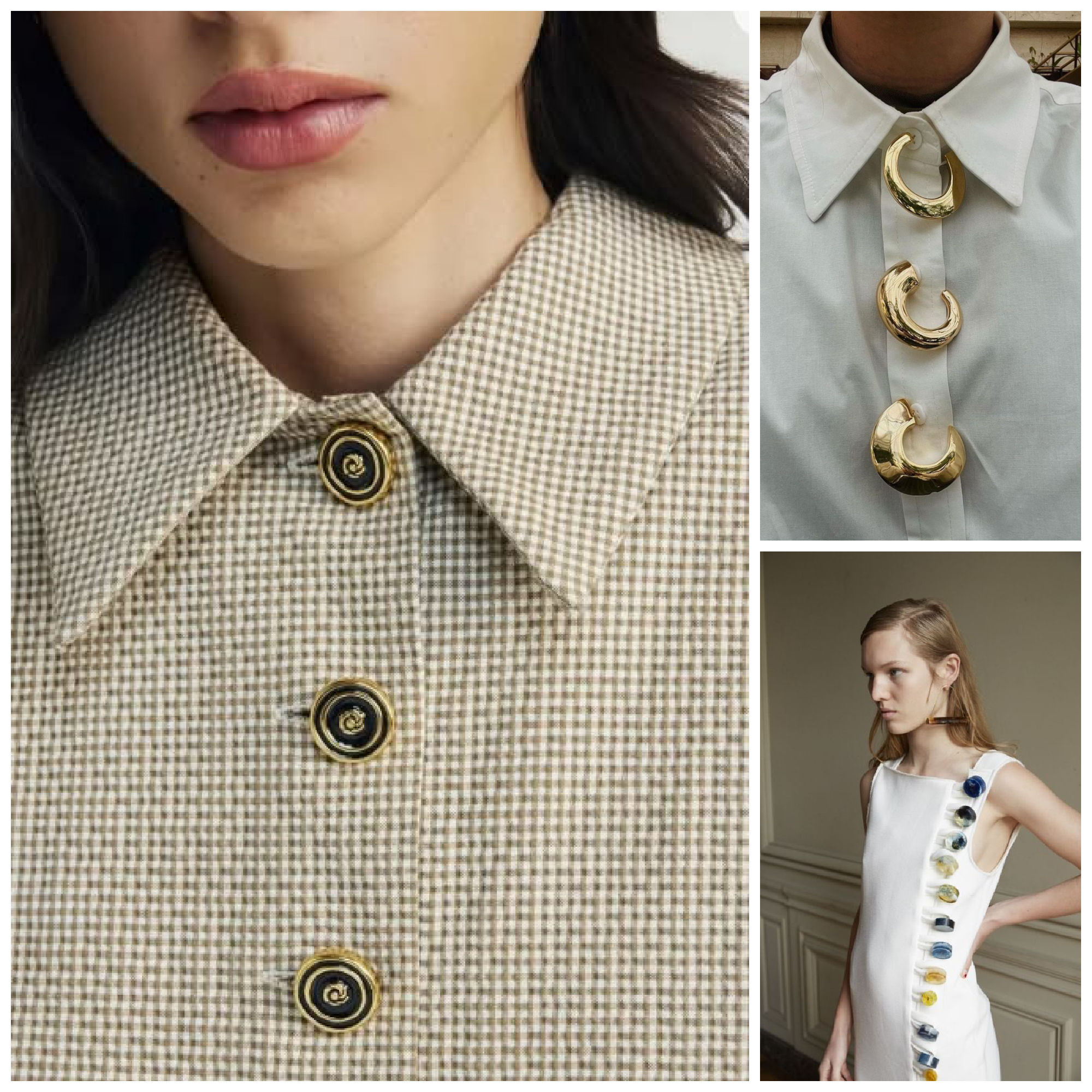
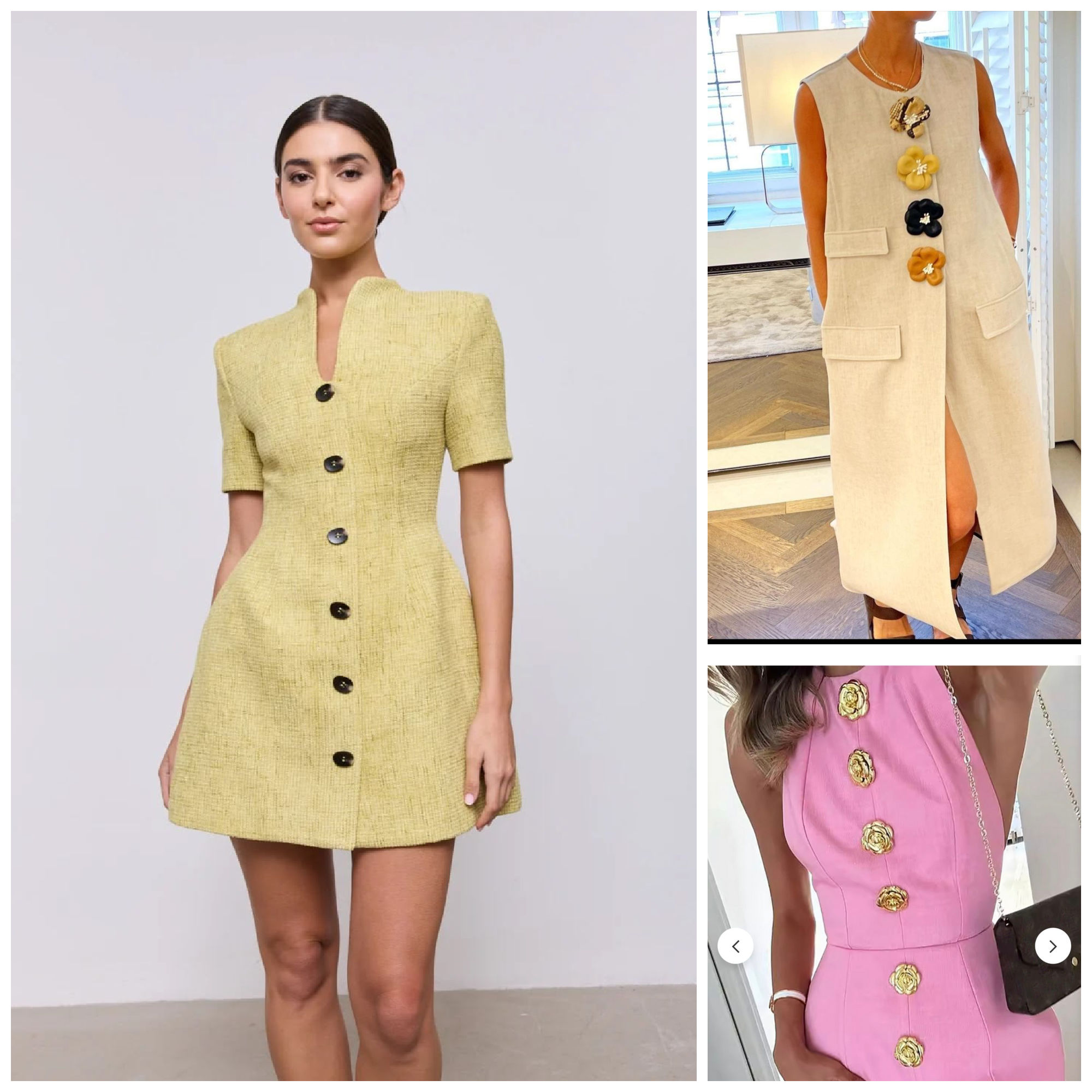
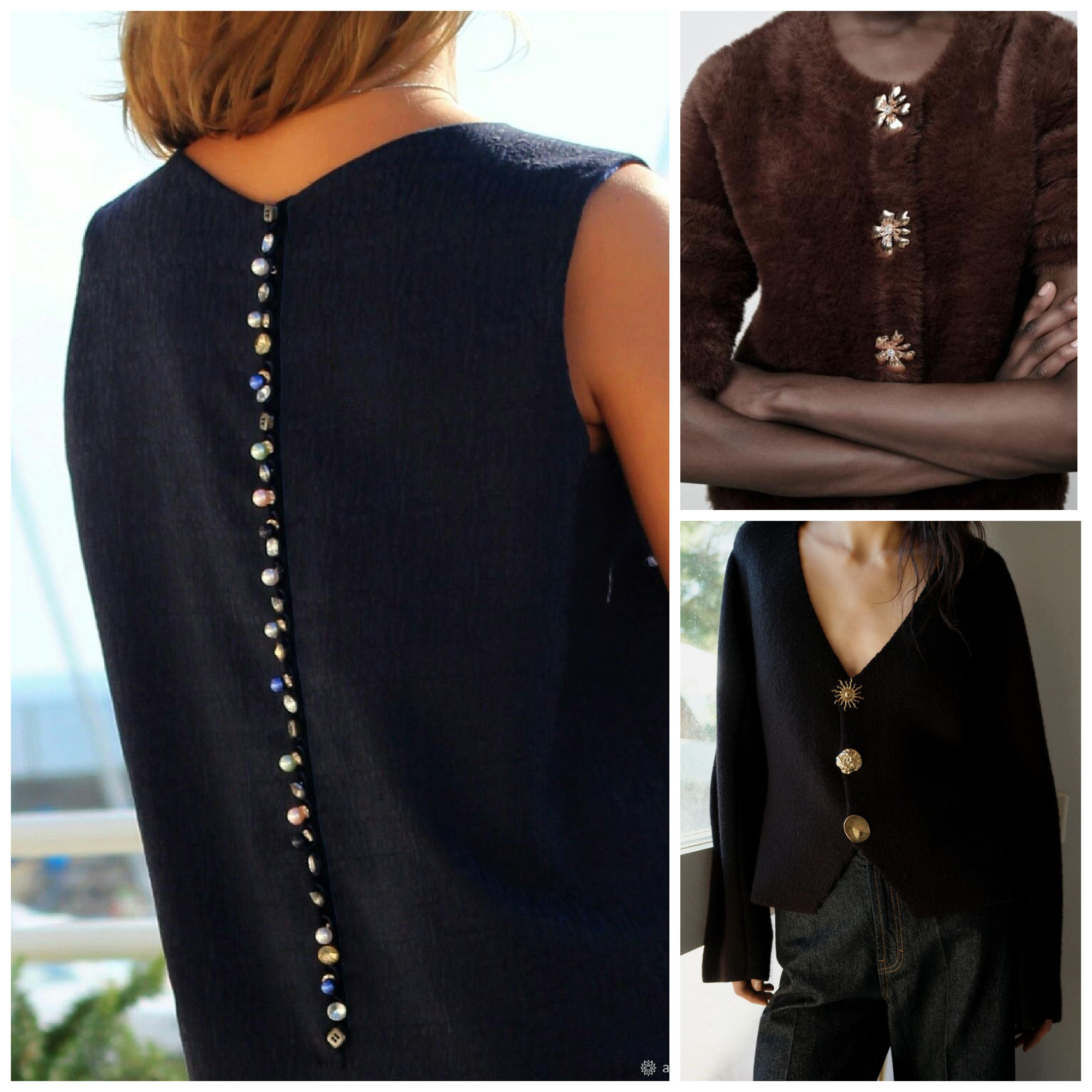
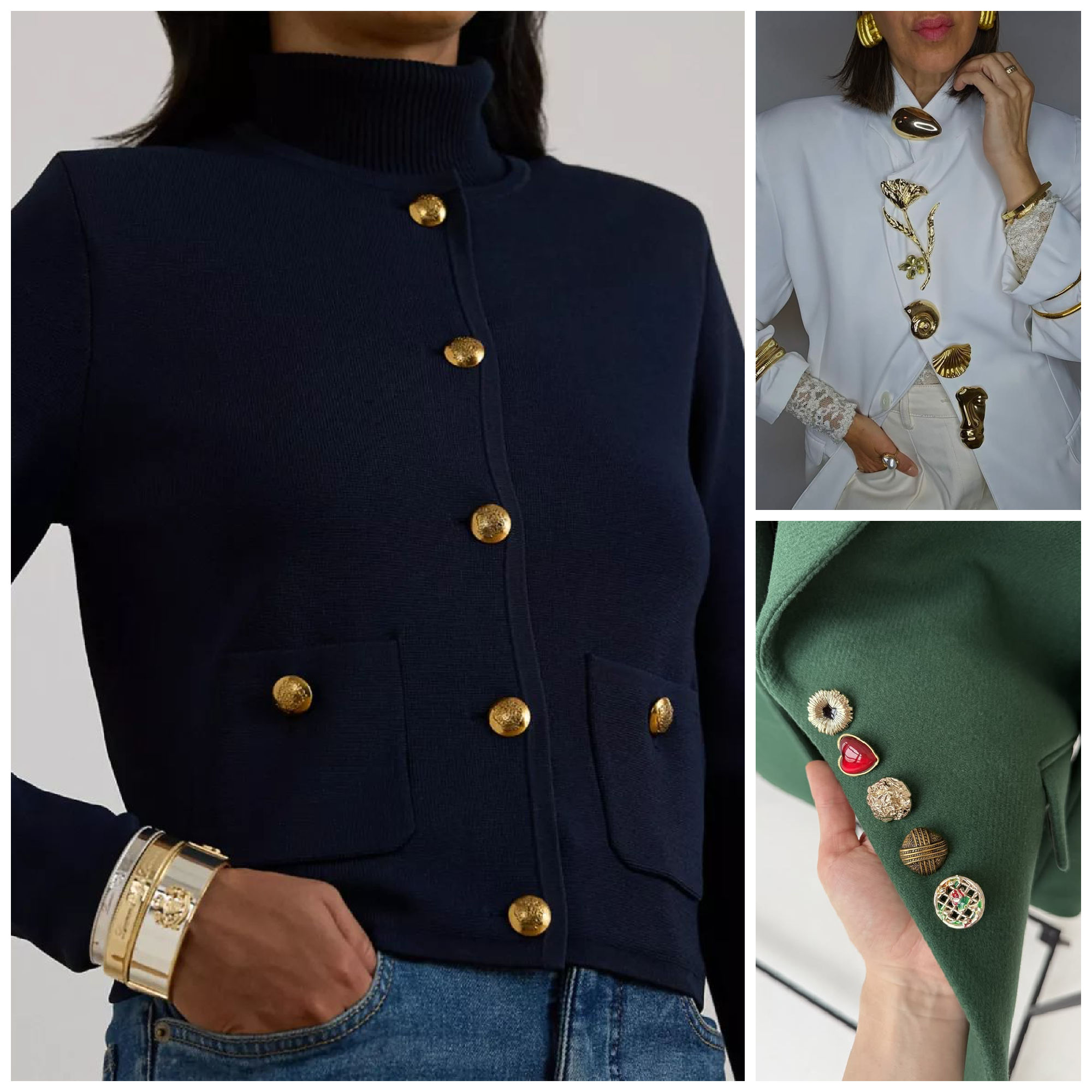
Oversized metal buttons can give a plain coat greater presence, tonal covered buttons can add subtle depth to a dress, and contrasting or enamel finishes can sharpen a simple cardigan. Vintage-inspired shapes may introduce familiarity, while pearl-effect or polished finishes can create a more refined appearance.
Rather than adding ornament throughout the garment, designers can use one carefully considered button treatment to give a minimal silhouette a clearer identity. Designers developing distinctive buttons may work with a custom button manufacturer to refine the shape, finish, size and fastening function.
How Statement Buttons Enhance Minimal Garment Design
Statement buttons create a focal point, introduce texture and reinforce a sense of craftsmanship without requiring complex prints or embellishment. They can also strengthen product identity, alter the mood of a familiar style and improve the relationship between the garment’s lines and proportions. Their impact comes from the way visual character and fastening function are resolved together.
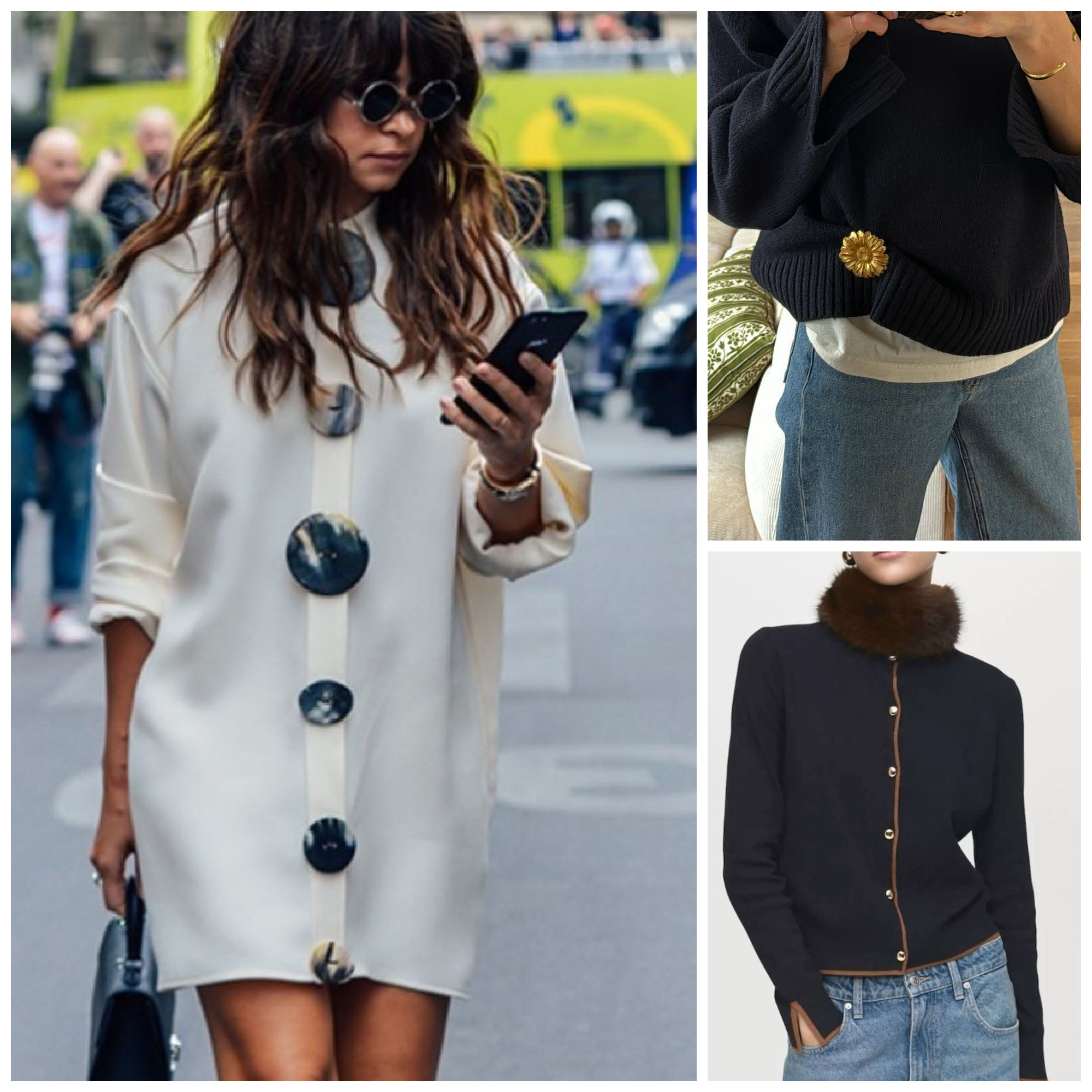
Creating a Strong Visual Focal Point
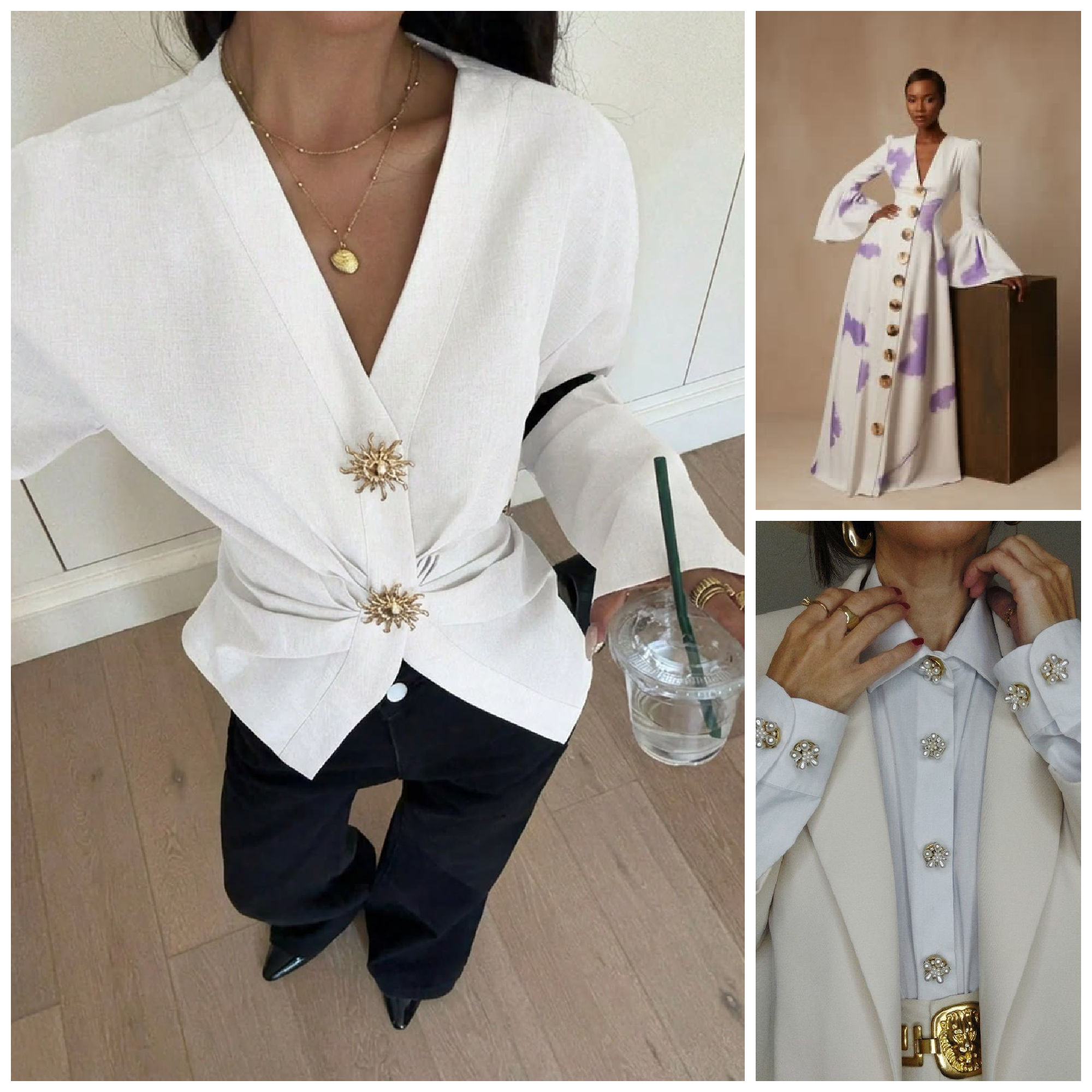
Scale, contrast and placement determine where the eye travels. Large metal buttons on a plain wool coat can emphasise the centre line and frame the lapels, while decorative buttons on shirt or blazer cuffs draw attention to the hands and sleeve construction.
A single contrasting closure at the neckline may create more impact than a complete row. Effective statement-button design relies on restraint, with the button attracting attention while remaining proportionate to the placket, collar and overall garment volume.
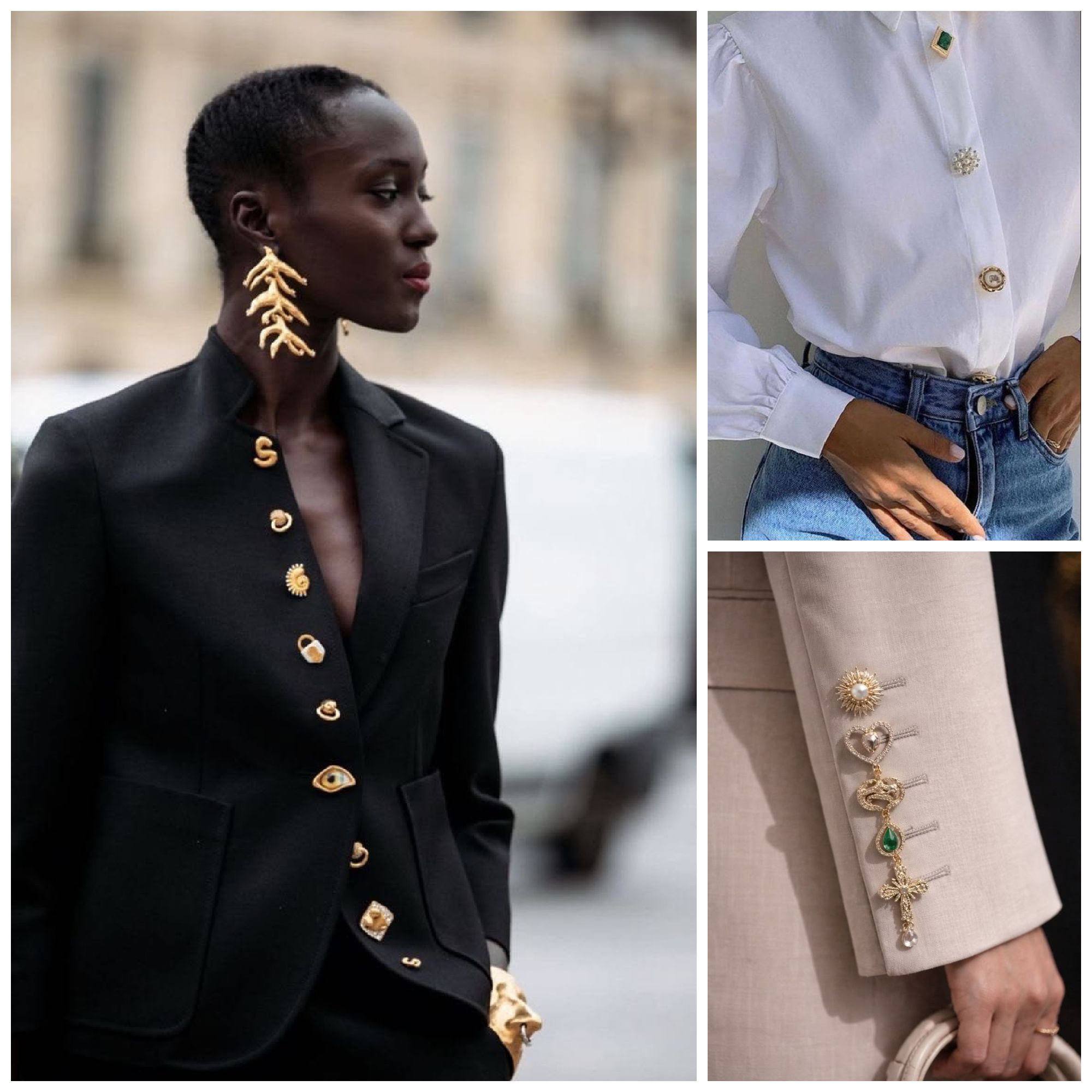
Reinforcing Craftsmanship and Perceived Quality
People read quality through touch as well as appearance. Button weight, edge definition, texture and surface consistency influence how considered a garment feels.
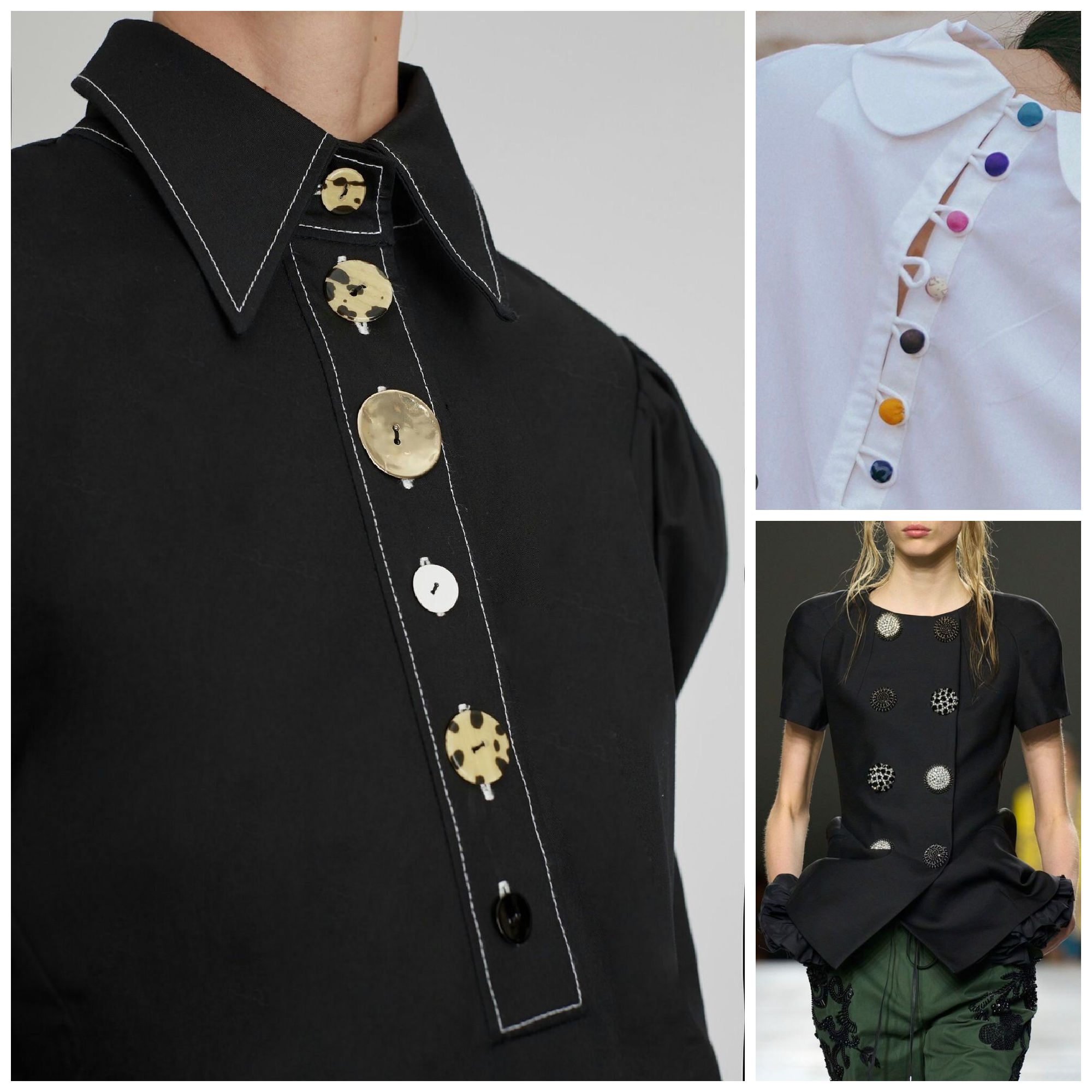
Polished metal can communicate precision; enamel adds controlled colour; embossed surfaces introduce depth; pearl-effect finishes create luminosity; and fabric-covered buttons extend the material story. Whatever the style, consistent plating, colour and shape across a production run are essential.
Sharp edges, loose shanks, patchy coating or visible mould marks quickly undermine perceived quality, even when the garment fabric and stitching are well executed.
Giving Simple Garments a Distinctive Identity
Button design can change how the same silhouette is perceived. A rounded button with an antique finish can give a cardigan a nostalgic character, while a polished square button creates a more architectural look. A tonal matte button keeps the design understated.
Recurring custom garment buttons can also create continuity across coats, blazers, shirts or knitwear without prominent logos. When a brand repeats a particular proportion, rim, relief pattern or finish, the detail becomes a recognisable visual code embedded in the product rather than applied as surface branding.
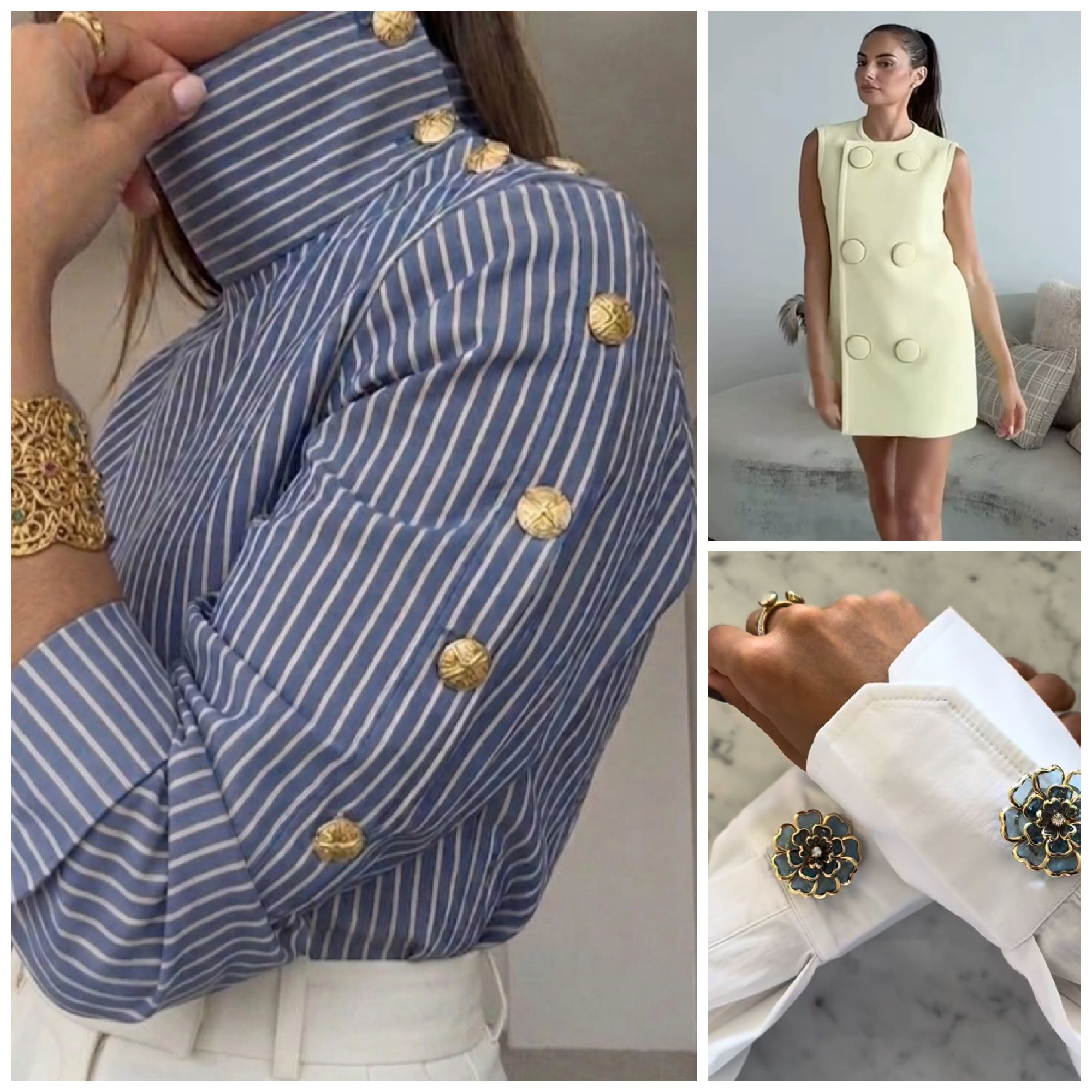
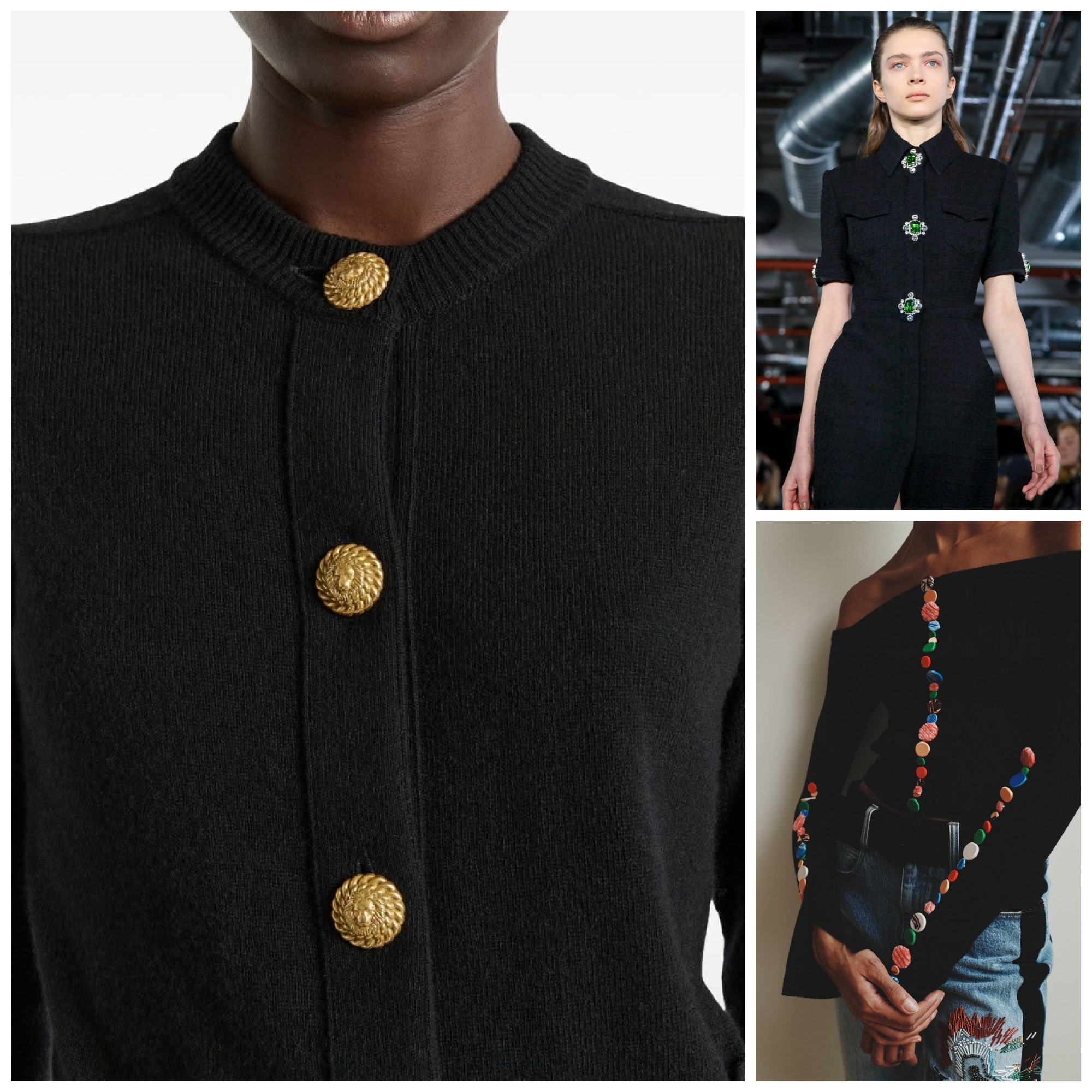
Improving Proportion and Garment Structure
Button diameter, spacing and alignment influence how a garment is read. A larger diameter can balance broad lapels, close spacing can strengthen a vertical placket, and carefully positioned closures can define the waist or control the opening of a neckline.
These choices also have physical consequences. A button that is too large or heavy may pull lightweight fabric, tilt forward or distort a knitted surface.
Uneven spacing can unbalance the silhouette, while an unsuitable stand or shank height can prevent layers from closing cleanly. Visual proportion and mechanical fit therefore need to be developed together.
What Should Designers Consider When Developing Statement Buttons
Statement buttons should be developed around the garment’s fabric, construction and intended use. Their visual impact must be balanced with secure attachment, comfortable wear and reliable performance throughout the product lifecycle.
Key considerations include:
- Size, weight and reinforcement: Match the button to the fabric thickness and garment layers, adding interfacing, reinforcement patches or backing buttons where needed.
- Construction and fastening: Check shank clearance, buttonhole dimensions, opening force, hole configuration and sewing thread.
- Comfort and placement: Review edges, reverse surfaces and movement on the body, particularly where the button may touch the skin.
- Testing and durability: Test attachment strength, repeated fastening, snagging, rotation, care resistance and plating or coating stability on the final fabric.
Resolving these points during sampling helps ensure that statement buttons remain visually distinctive, comfortable, durable and suitable for bulk production.
xoxo