Diamond Shape vs. Diamond Cut: The Mistake Most Ring Shoppers Make
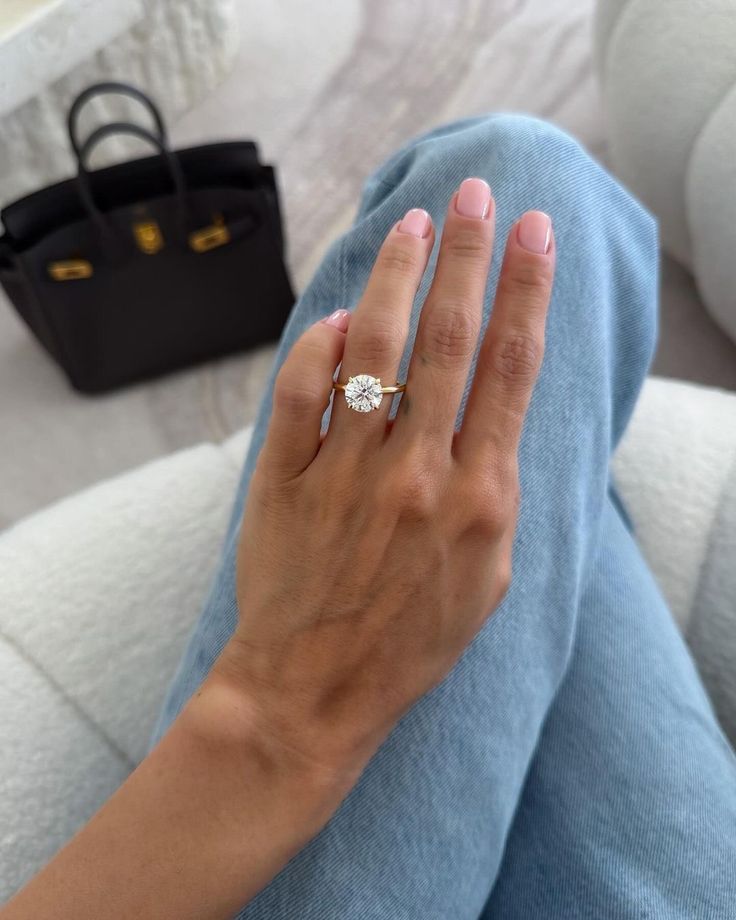
If you’ve ever fallen down a late-night rabbit hole researching engagement rings, you’ve probably seen the terms diamond shape and diamond cut used almost interchangeably. It sounds harmless—but this mix-up is one of the most common (and costly) mistakes first-tiame buyers make.
Because here’s the thing: shape and cut are not the same. And understanding the difference can completely change how a diamond looks on your hand, how much it sparkles, and even how large it appears for its carat weight.
Let’s clear it up—without the jargon.
Diamond Shape vs. Cut: What’s the Actual Difference?
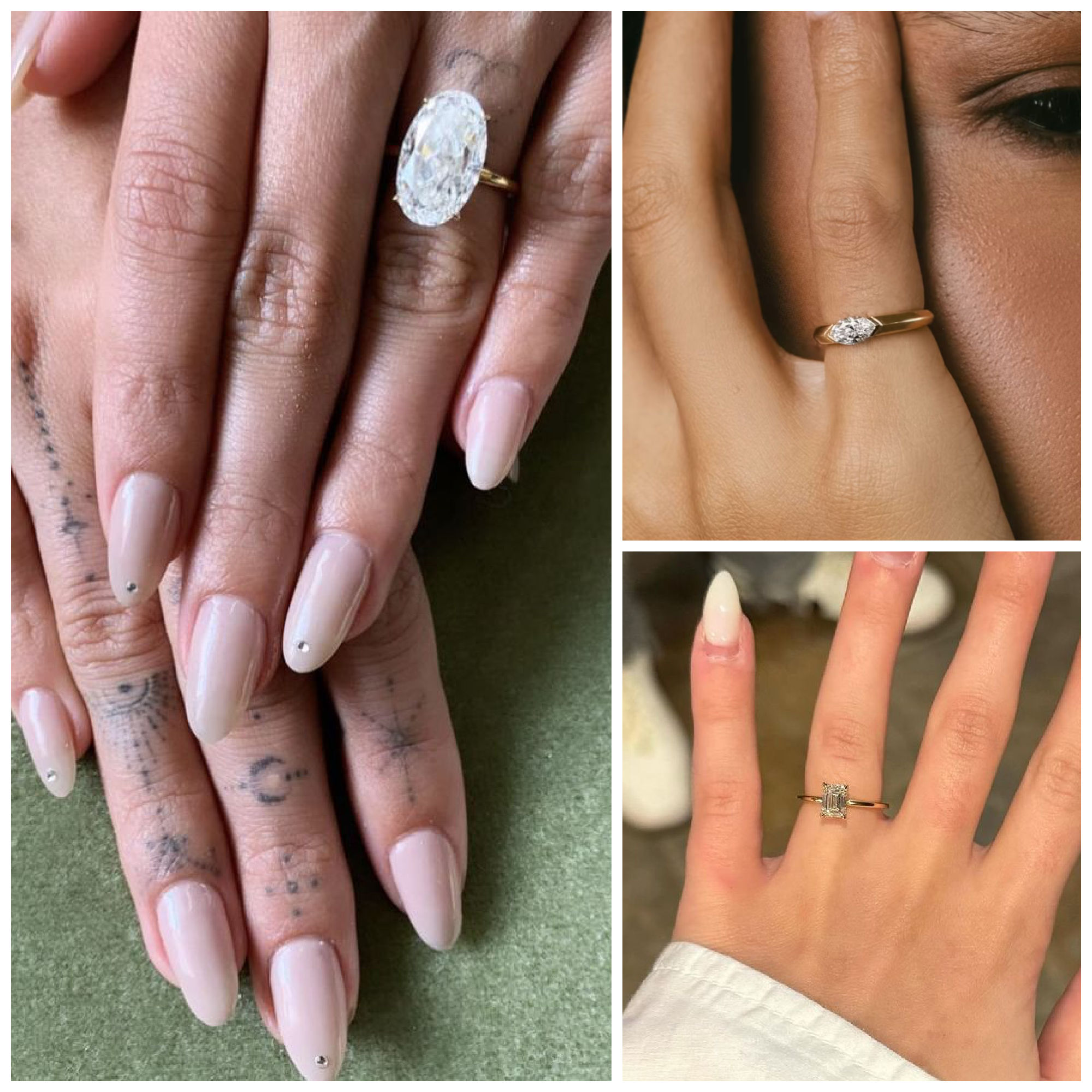
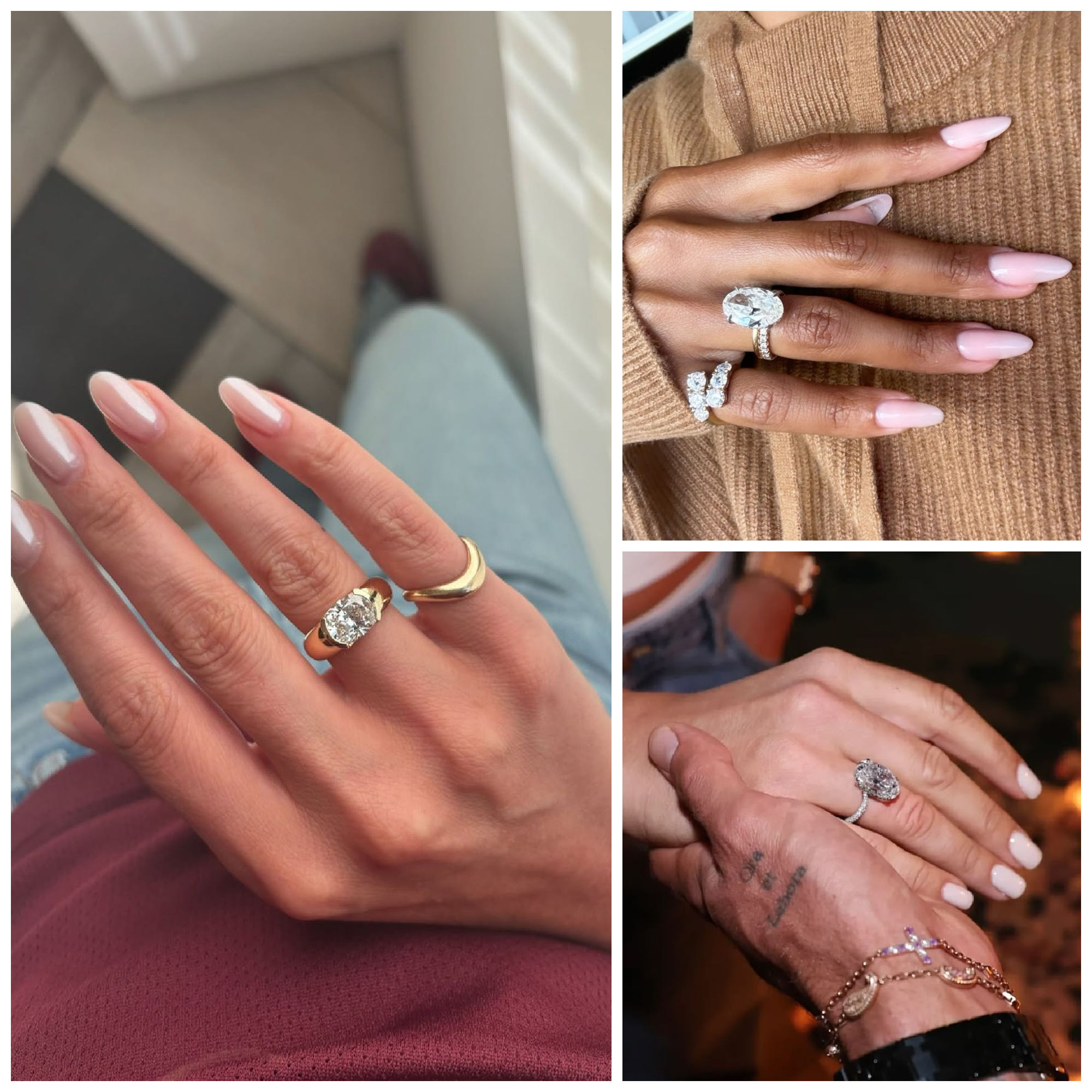
At the simplest level, diamond shape refers to the outline you see when you look at the stone from above—round, oval, cushion, emerald, and so on. It’s the personality of the diamond.
Diamond cut, on the other hand, is about how well the stone’s facets are arranged to reflect light. This is what determines brilliance, fire, and sparkle.
That distinction matters more than most people realize. A poorly cut round diamond can look dull, while a well-cut fancy shape diamond can glow with life.
If you want a deeper breakdown of how each shape behaves—including technical specs and comparisons—this guide to diamond shapes is a helpful place to explore the details.
Brilliant Cut vs. Step Cut: Why Sparkle Isn’t the Same Everywhere
One of the biggest differences between diamond shapes comes down to facet patterns—specifically, whether a diamond is a brilliant cut or a step cut.
Brilliant cuts (like round brilliant, oval, and radiant) are designed for maximum sparkle. They use triangular and kite-shaped facets that bounce light in multiple directions. The classic round brilliant, for example, typically features 58 facets arranged to maximize brilliance.
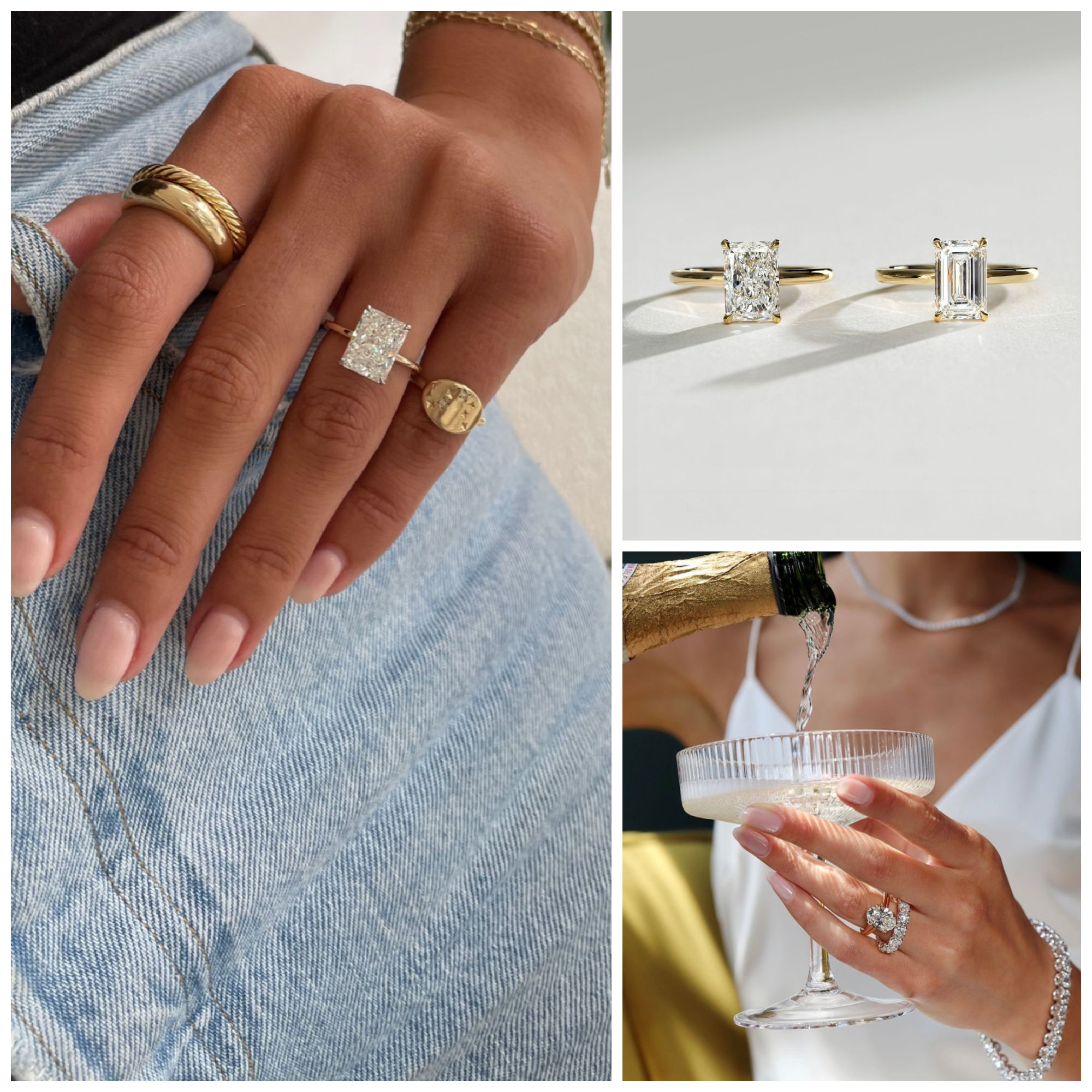
Step cuts (like emerald and Asscher) take a completely different approach. Instead of sparkle, they create a “hall of mirrors” effect with long, rectangular facets. The result is quieter, more glass-like—less flash, more depth.
Neither is better—it just depends on what you’re drawn to. If you want intense sparkle, lean toward brilliant cuts. If you prefer a clean, architectural look, step cuts might feel more “you.”
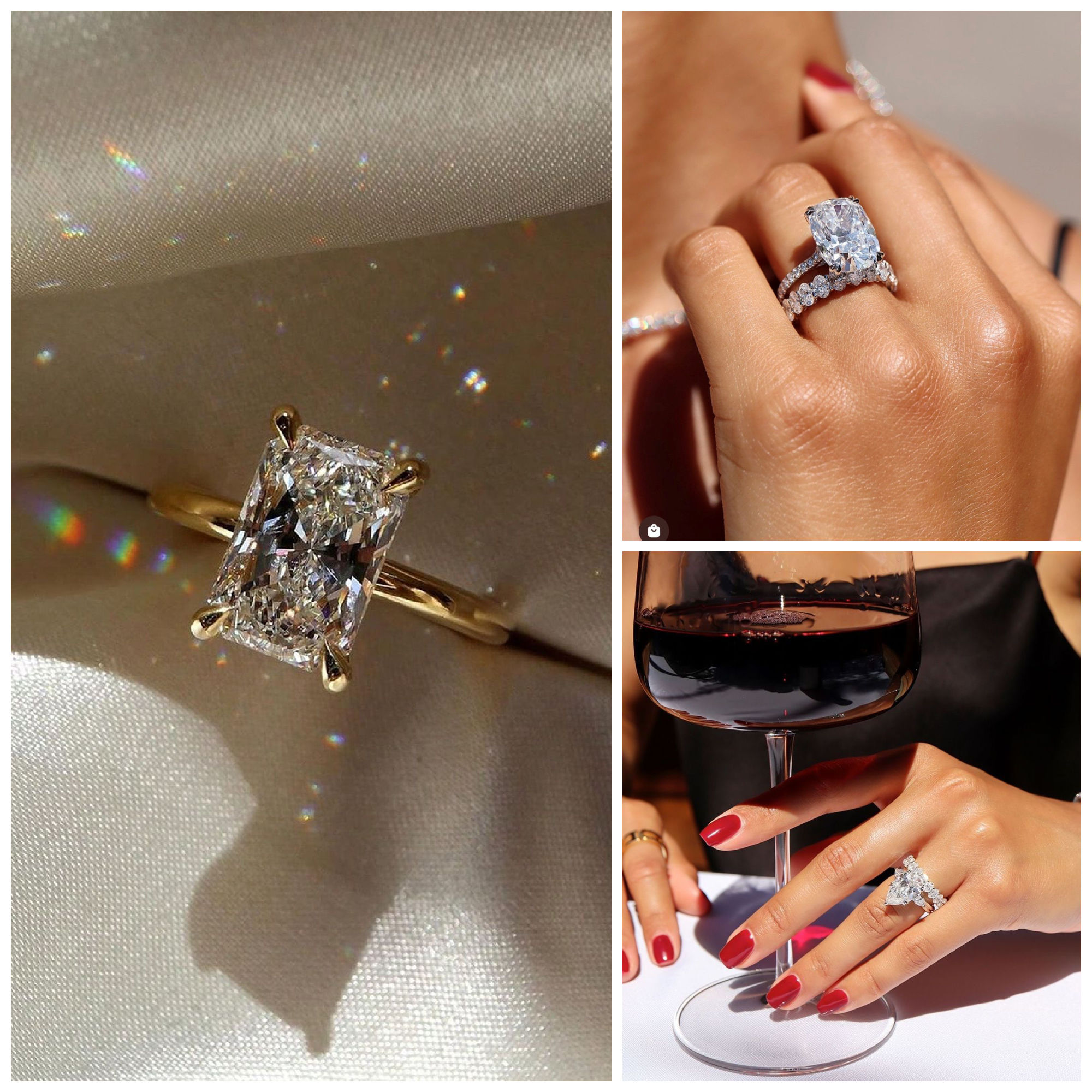
The Role of Shape in How a Diamond Looks on Your Hand
Here’s where diamond shape gets surprisingly personal.
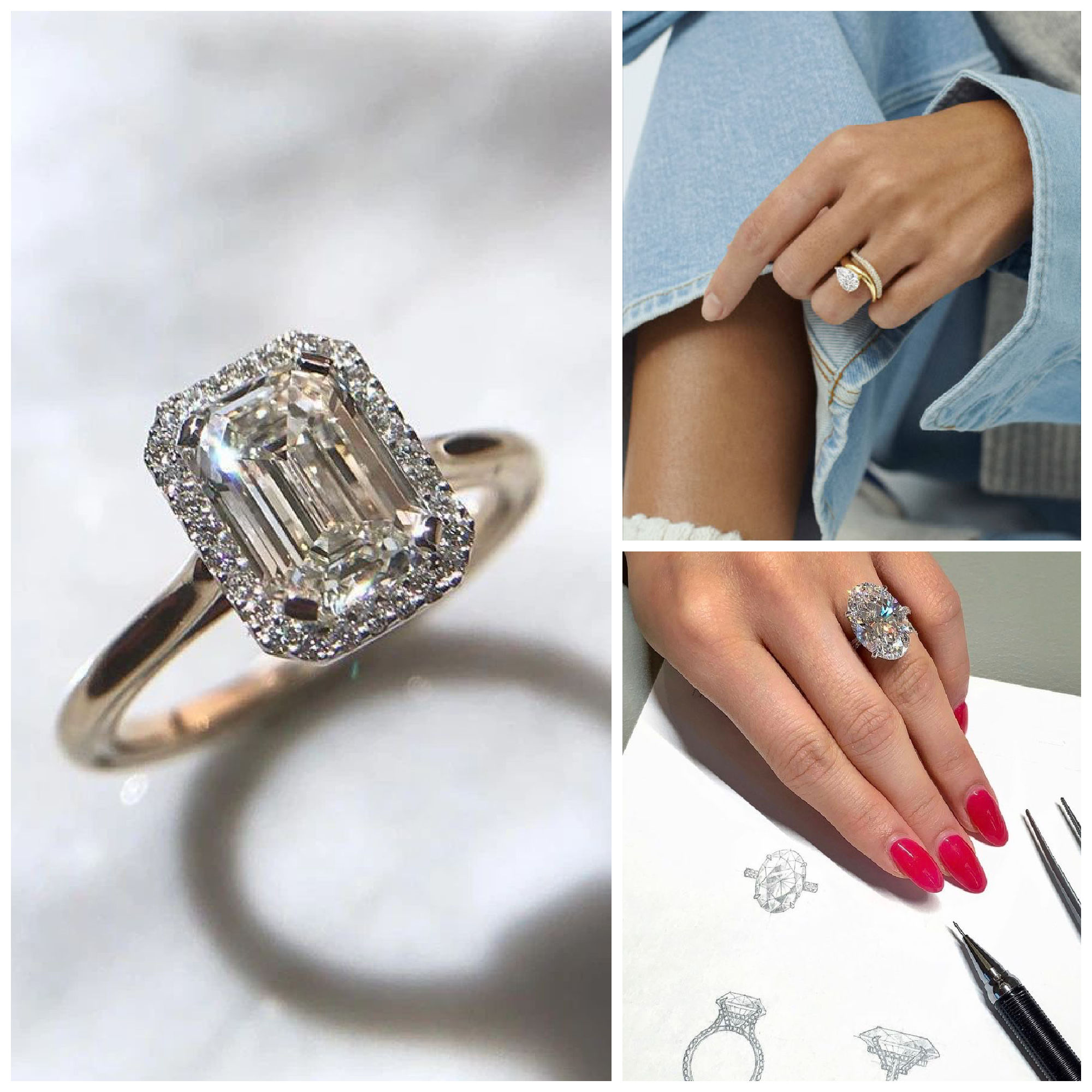
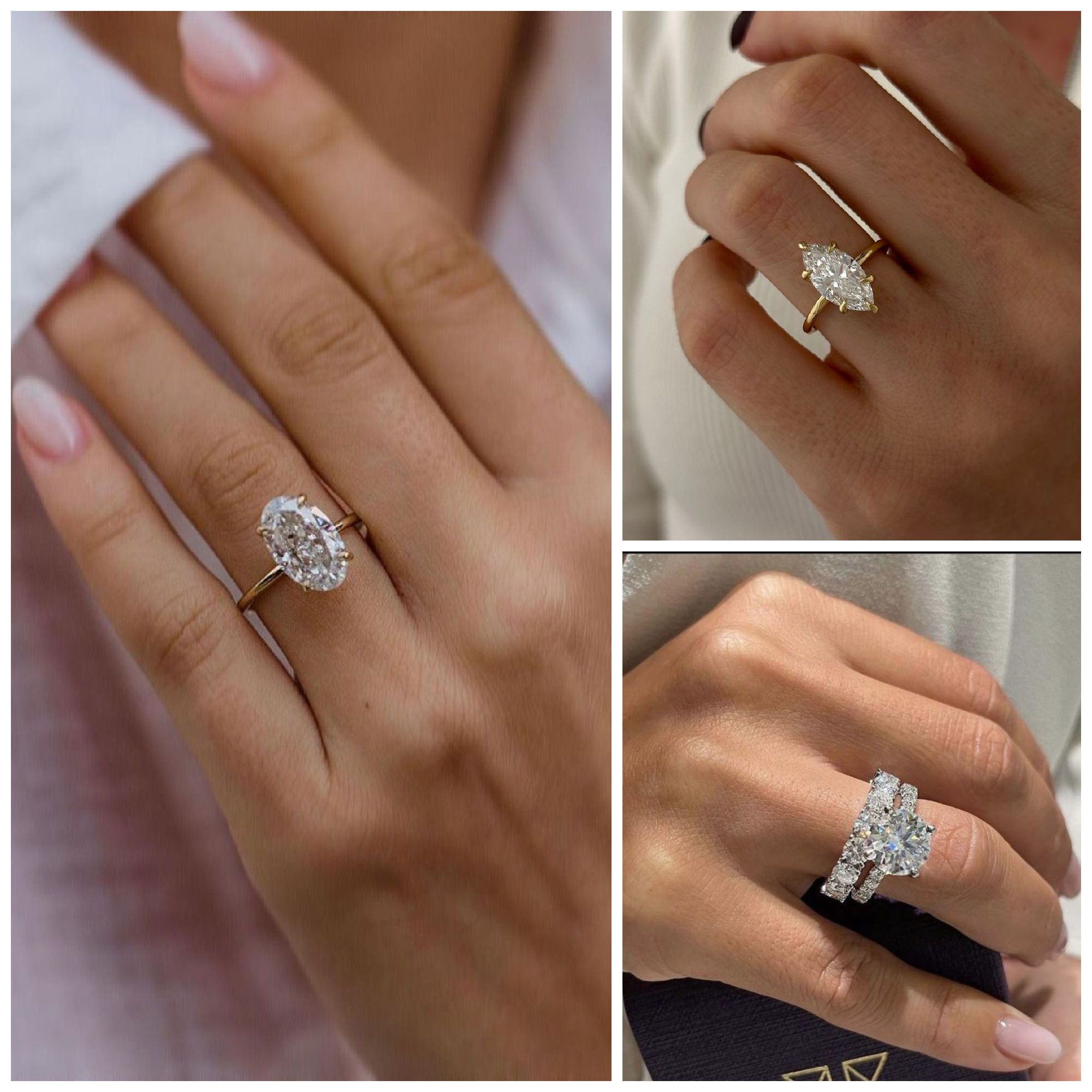
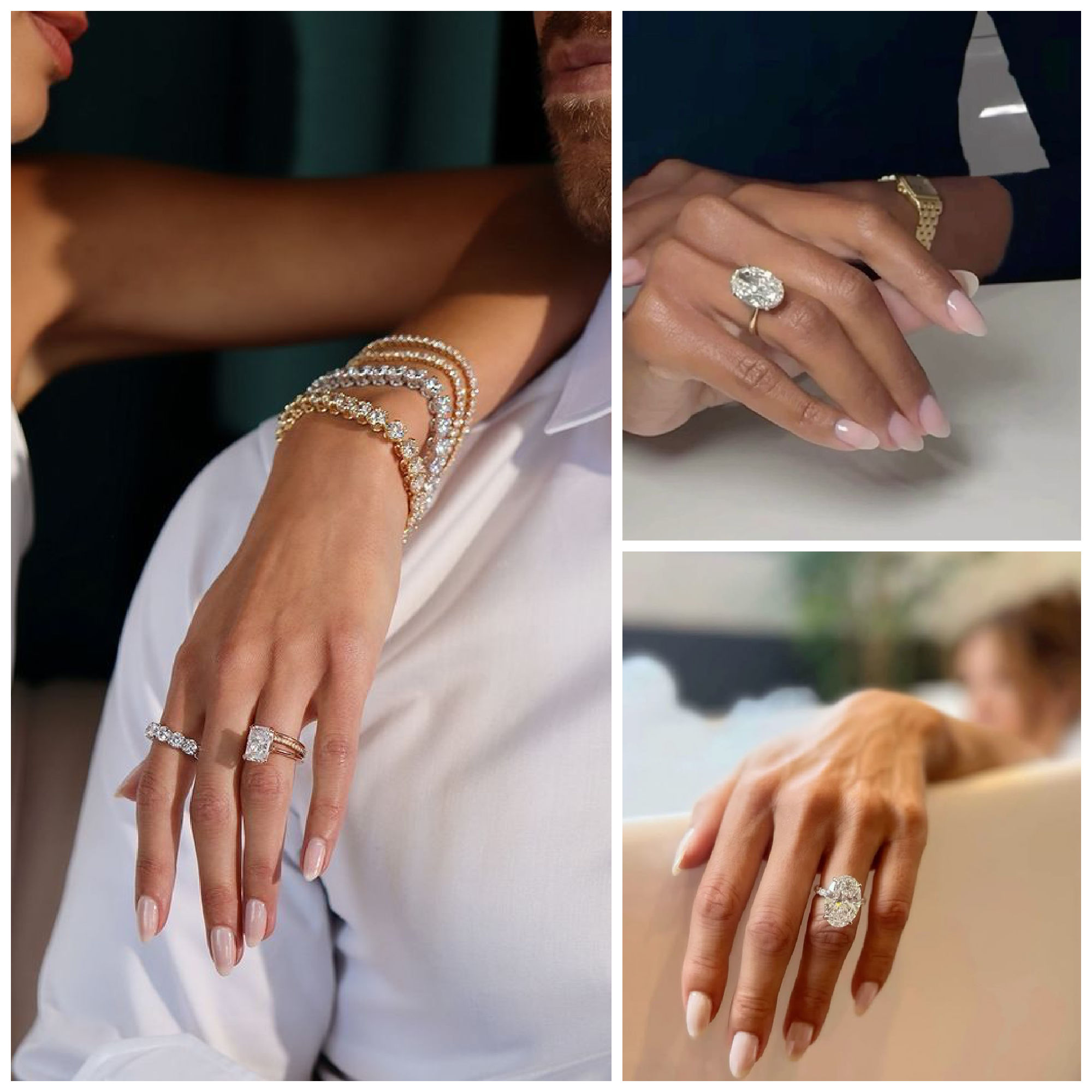
Different shapes can change how your hand looks—and even how big your diamond appears.
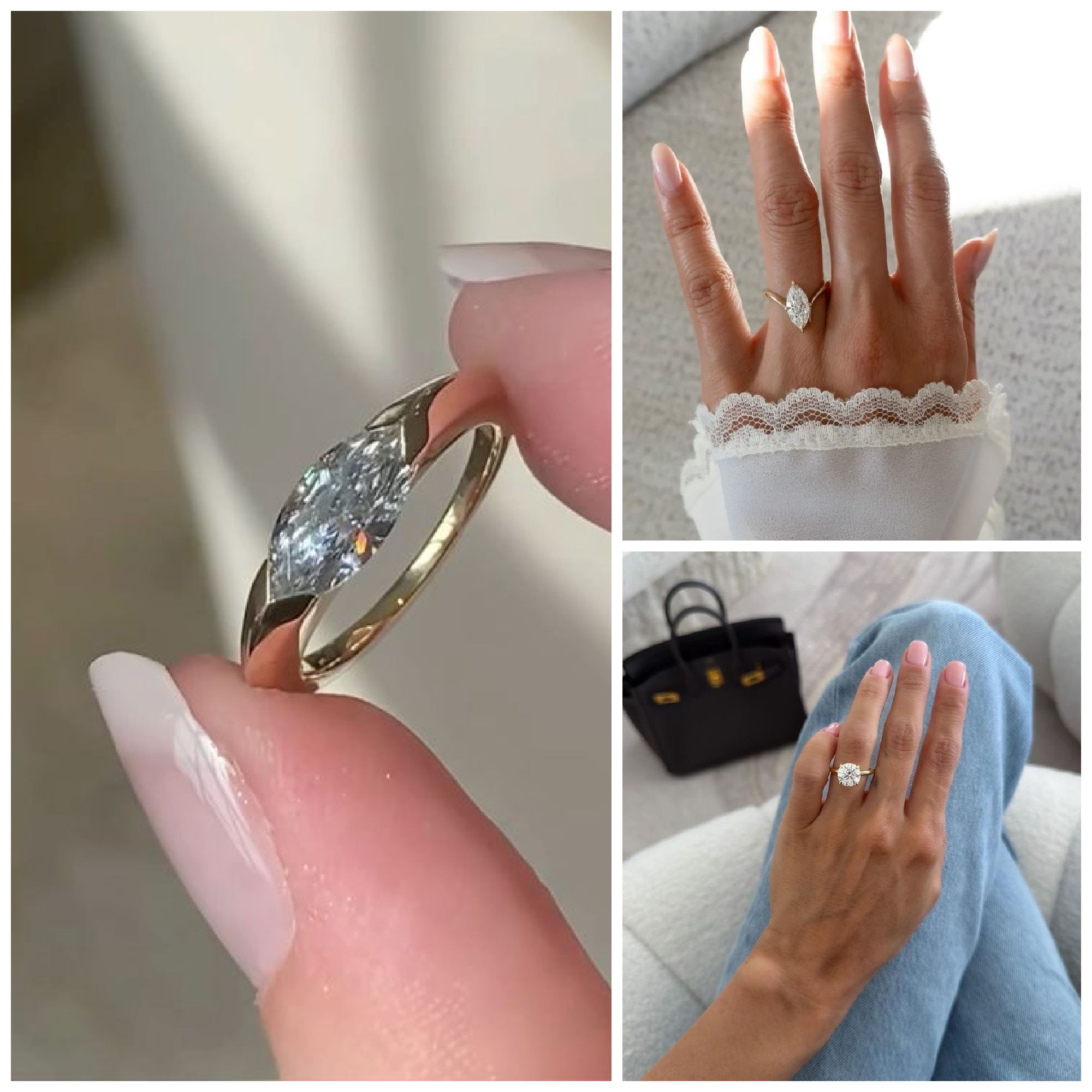
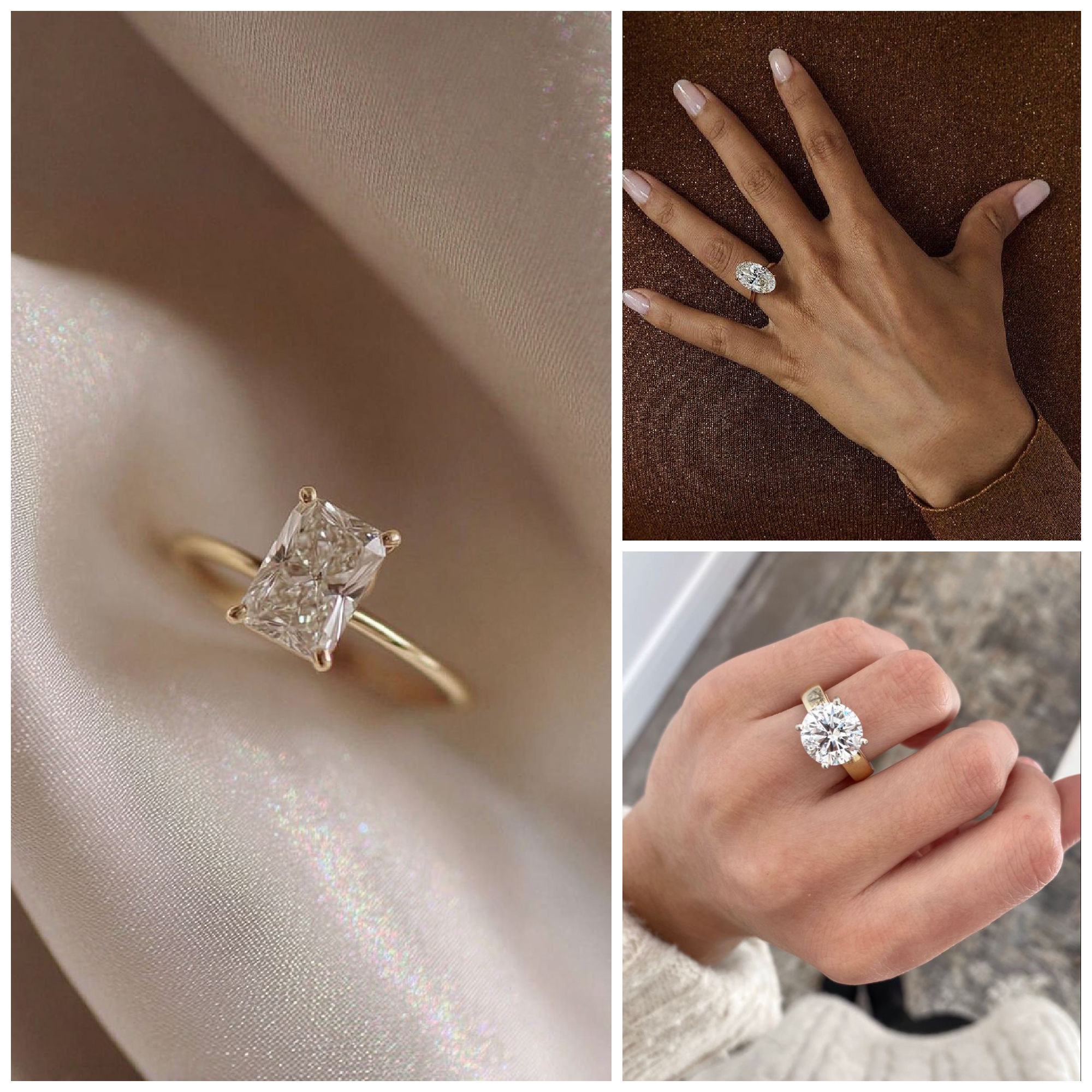
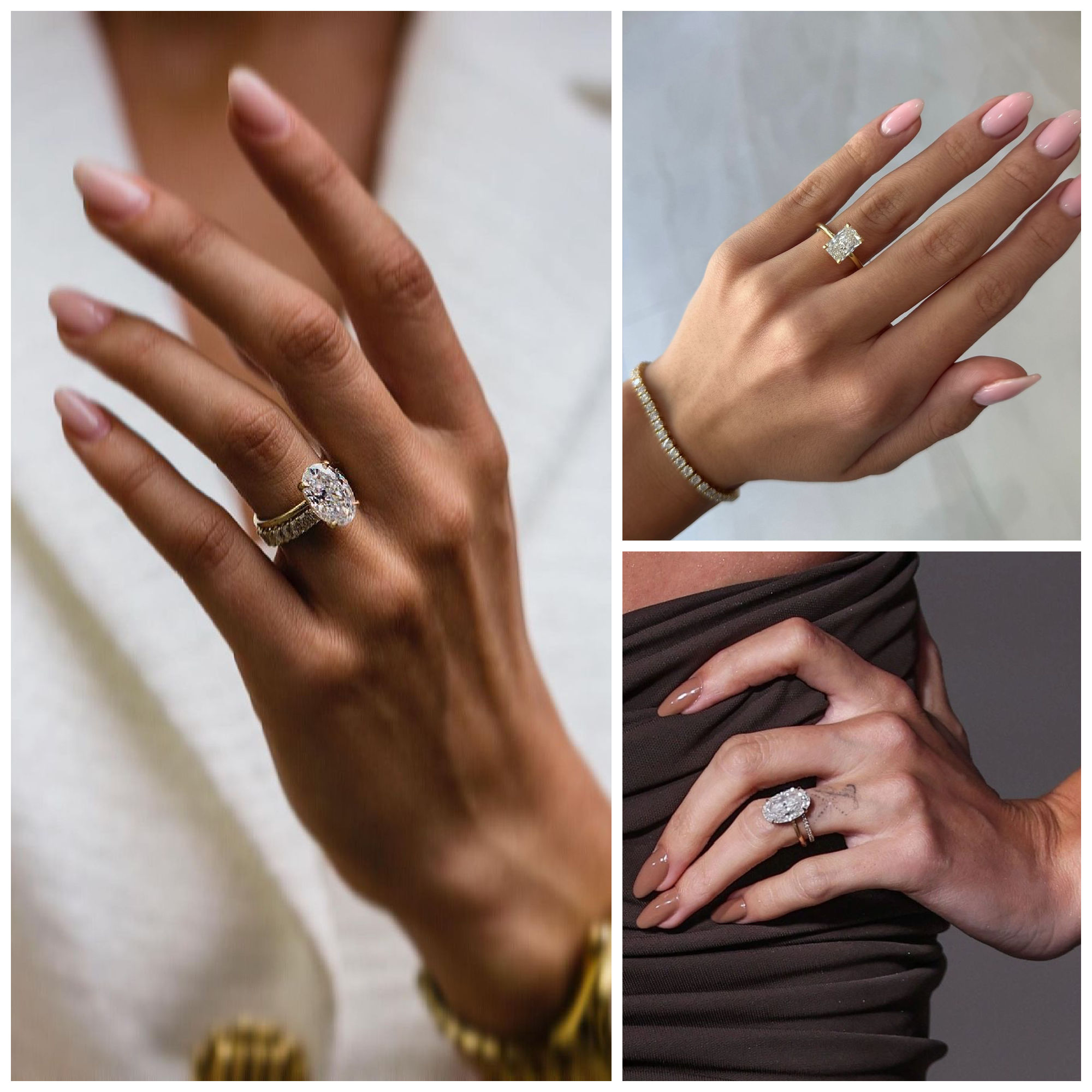
- Oval and marquise diamonds are elongated shapes that visually lengthen the finger. They also spread carat weight across a larger surface area, meaning they can look up to ~10% bigger face-up than a round of the same weight.
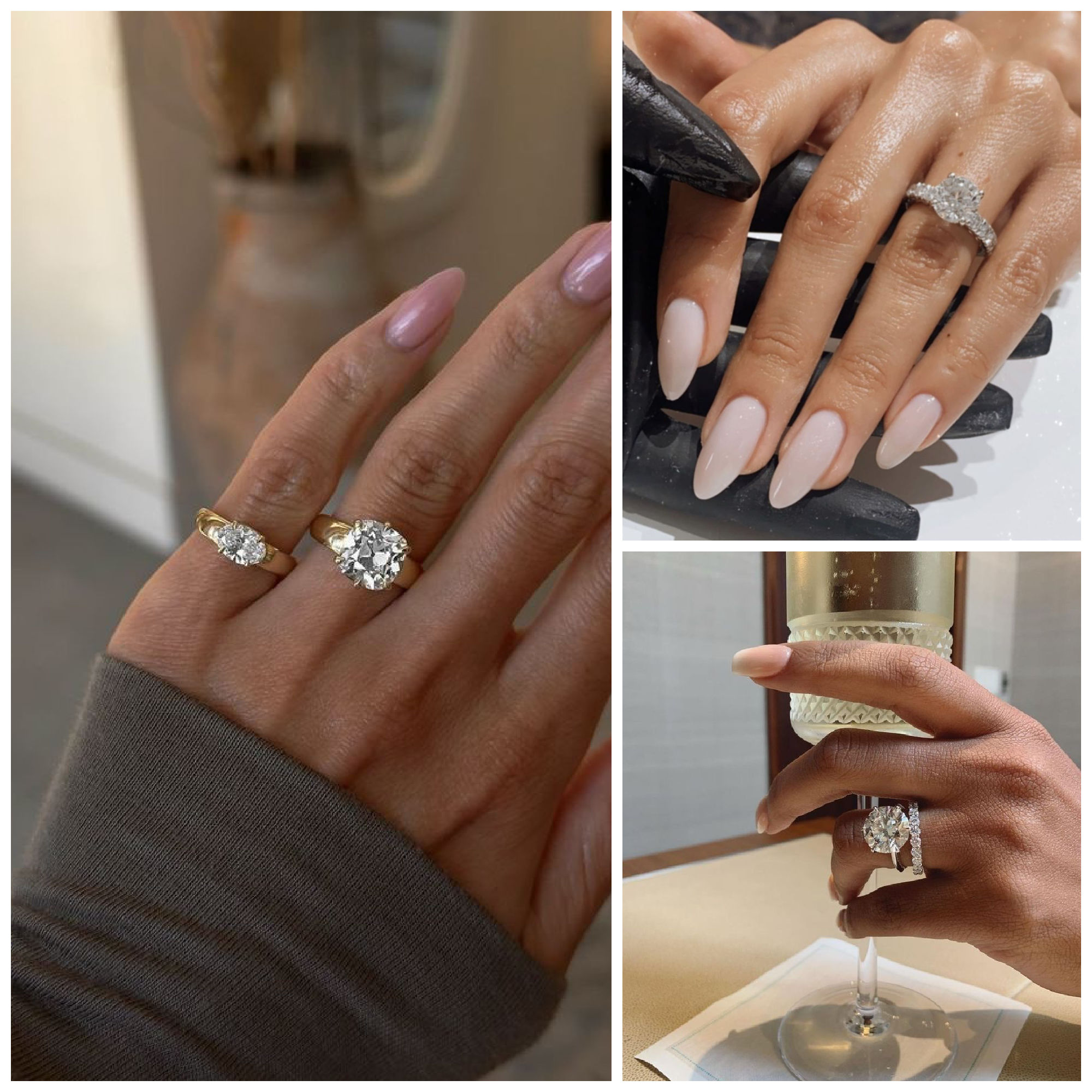
- Round brilliant diamonds are symmetrical and balanced, making them a safe, classic choice—but they tend to “hide” more of their weight in depth.
- Cushion cuts offer a softer, pillow-like outline with rounded corners, often giving a vintage feel.
- Emerald cuts emphasize clarity over sparkle, which means inclusions (if present) are more visible—but so is the diamond’s internal structure.
This is why two diamonds with the same carat weight can look completely different on your hand. Shape isn’t just aesthetic—it’s optical.
What “Fancy Shape” Diamonds Really Mean
You’ll often hear the term fancy shape diamonds, and it sounds more glamorous than it actually is.
In the jewelry world, “fancy shape” simply means anything that isn’t round.
That includes:
- Oval
- Cushion
- Princess
- Pear
- Marquise
- Radiant
- Heart
- Emerald
- Asscher
These shapes often offer better value per carat compared to round brilliant diamonds because they retain more of the original rough stone during cutting. In practical terms, that means you might get a larger-looking diamond for the same budget.
Why This Confusion Matters When Buying a Ring
Mixing up diamond shape vs cut doesn’t just lead to confusion—it can lead to disappointment.
Here’s a common scenario:
Someone chooses an emerald cut because they love how it looks online, expecting the same level of sparkle as a round brilliant. But when they see it in person, it feels less “sparkly” than expected.
That’s not a flaw—it’s the nature of the cut.
Similarly, a buyer might prioritize carat weight over shape, not realizing that an oval or pear could give them a larger visual impact without increasing budget.
Understanding these nuances helps you make smarter trade-offs:
- Sparkle vs clarity emphasis
- Size appearance vs actual carat weight
- Classic vs modern aesthetics
A Quick Reality Check: There’s No “Best” Diamond Shape
People often search for the best diamond shape, but the truth is—it doesn’t exist.
There’s only the shape that aligns with:
- Your personal style
- Your hand proportions
- Your expectations for sparkle
- Your budget
A round brilliant might be ideal for someone who wants maximum brilliance and timeless appeal. An oval diamond might suit someone looking for a more modern, elongated look with strong finger coverage. A radiant cut sits somewhere in between, blending sparkle with structure.
The “right” choice is the one that feels intentional—not just popular.
The Takeaway
If you remember one thing, let it be this: diamond shape is what you see, but diamond cut is how it performs.
Both matter—and they work together to create the overall look of your ring.
Before you make a decision, spend a little time comparing shapes side by side, paying attention to how they reflect light, how they sit on your hand, and how they align with your style. And if you want to go deeper into the specifics of each option, a well-structured guide to diamond shapes (like the one referenced earlier) can help connect all the dots.
Because once you understand the difference, choosing a diamond stops feeling overwhelming—and starts feeling surprisingly intuitive.
xoxo


