Hypochlorous Acid for Skin: Why This Natural Compound Is Changing Skincare Routines
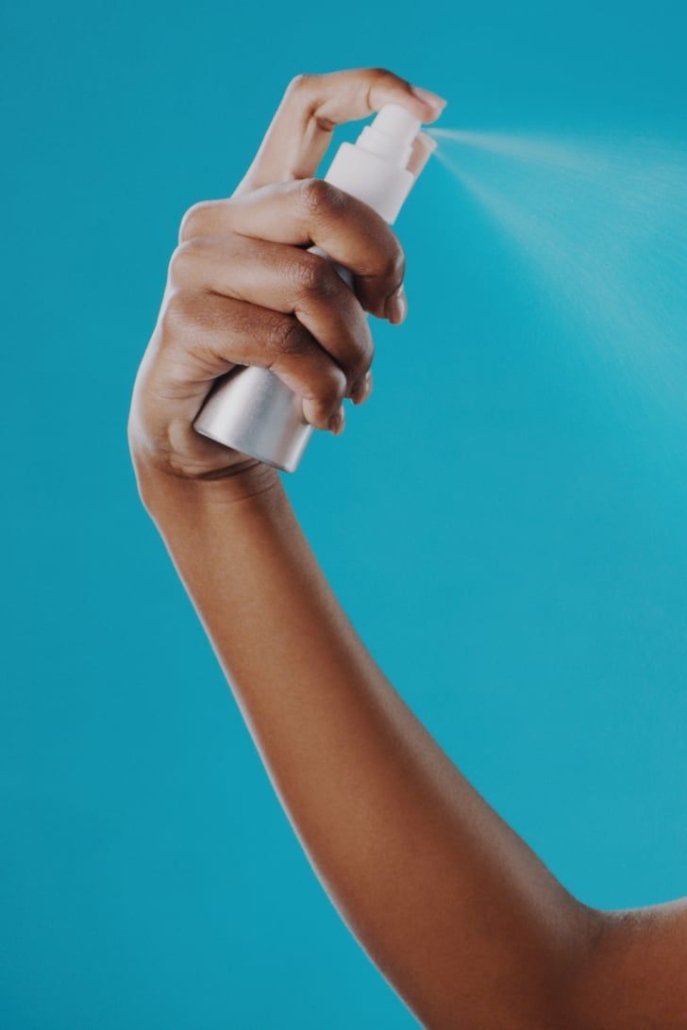
If you have been paying attention to skincare lately, you have probably seen hypochlorous acid show up everywhere from TikTok routines to dermatologist recommendations. It sounds like something out of a lab, but it is actually one of the most natural compounds your body already makes. And when it comes to clearing, calming, and protecting your skin, very few ingredients can compete.
Here is a full breakdown of what hypochlorous acid for skin actually does, why it works, and how to use it in your daily routine.
What Is Hypochlorous Acid?
Hypochlorous acid, abbreviated HOCl, is a compound produced naturally by your white blood cells as part of your immune response. When your body detects harmful bacteria or an area of inflammation, it releases hypochlorous acid to neutralize the threat and accelerate healing. It is essentially your immune system’s built-in antimicrobial agent.
In recent years, cosmetic chemists and skincare formulators have found ways to stabilize this compound into topical sprays that replicate this action on the skin’s surface. The result is a product that is non-toxic, pH-balanced, and gentle enough for all skin types, including the most reactive and sensitive.
Why Hypochlorous Acid Works So Well for Skin
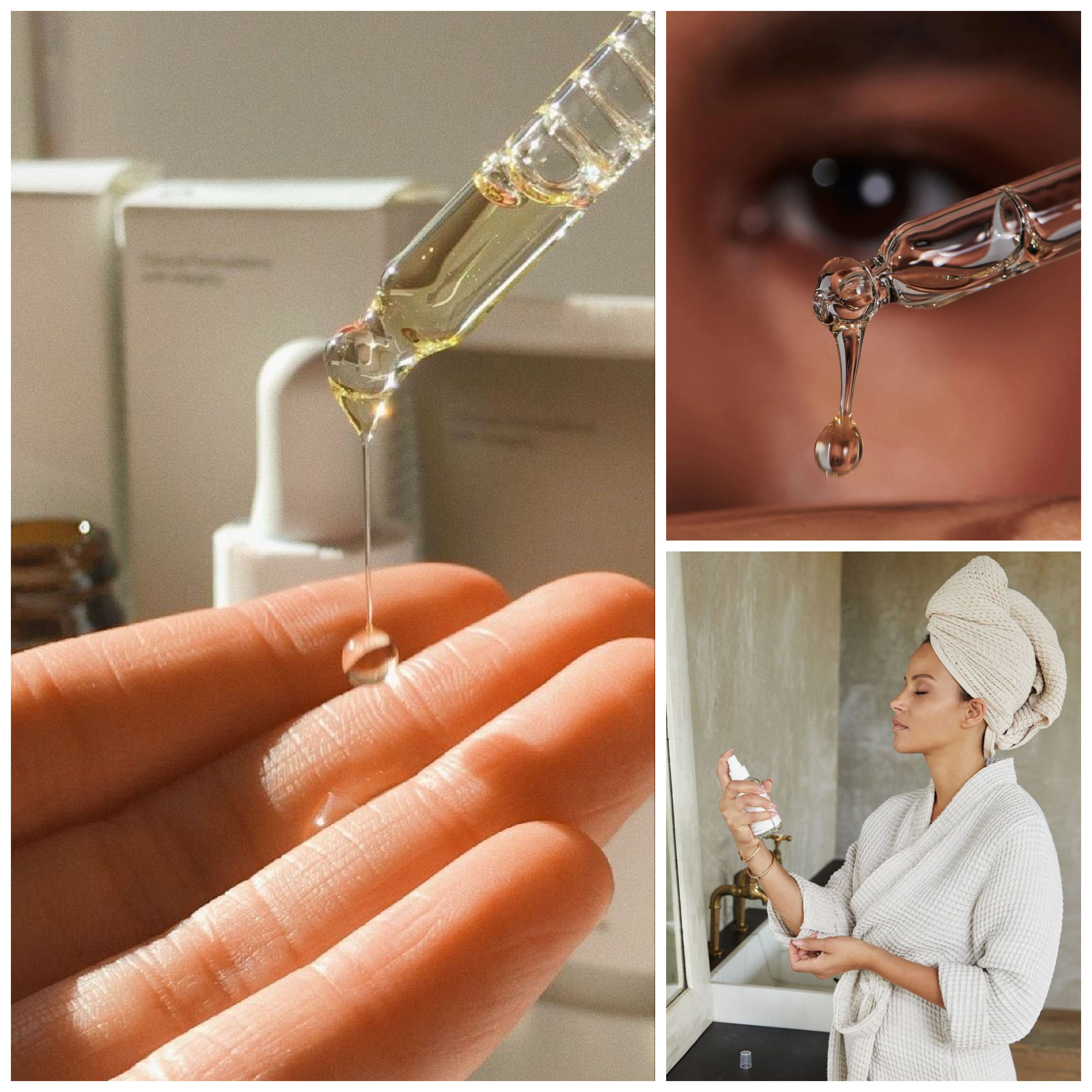
The reason hypochlorous acid has earned such strong results in skincare is that it targets multiple root causes of common skin concerns at once rather than addressing just one symptom.
It kills acne-causing bacteria without disrupting the microbiome. Most acne treatments are broad-spectrum, meaning they reduce bacteria across the board, including the beneficial bacteria your skin needs to stay balanced. Hypochlorous acid is antimicrobial in a more targeted way. It eliminates harmful bacteria, viruses, and fungi on the skin’s surface without wiping out the natural microbiome that keeps skin healthy.
It calms inflammation directly. Redness, irritation, rosacea, and post-breakout inflammation all involve an overactive inflammatory response. Hypochlorous acid has well-documented anti-inflammatory properties, meaning it can soothe flare-ups and reduce visible redness quickly and without adding harsh chemicals to an already reactive situation.
It accelerates healing. Hypochlorous acid is widely used in wound care and medical settings for exactly this reason. When applied to skin dealing with active breakouts, raw patches, minor cuts, or post-procedure recovery, it helps skin cells repair faster and reduces the likelihood of scarring.
The Top Benefits of Hypochlorous Acid Spray for the Face
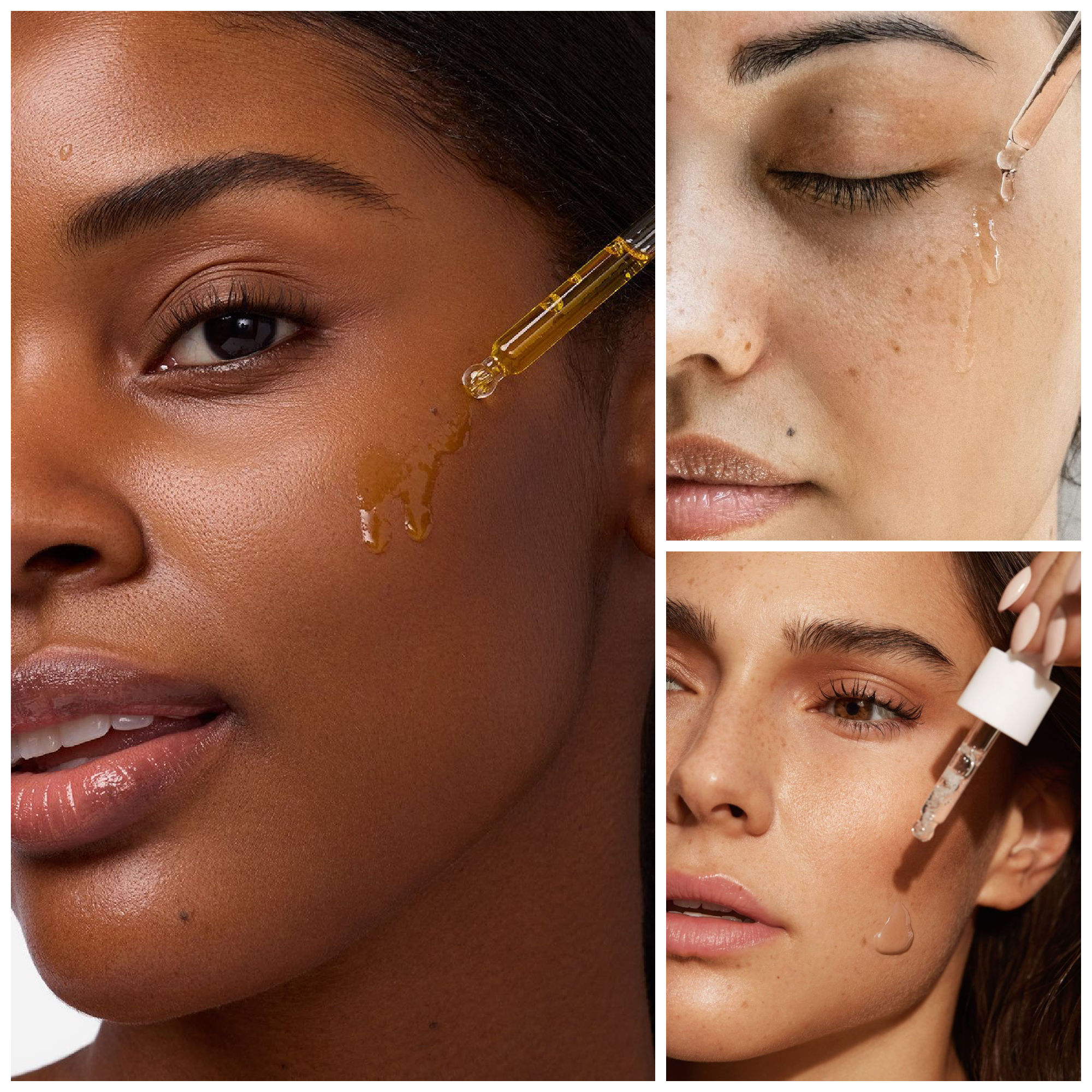
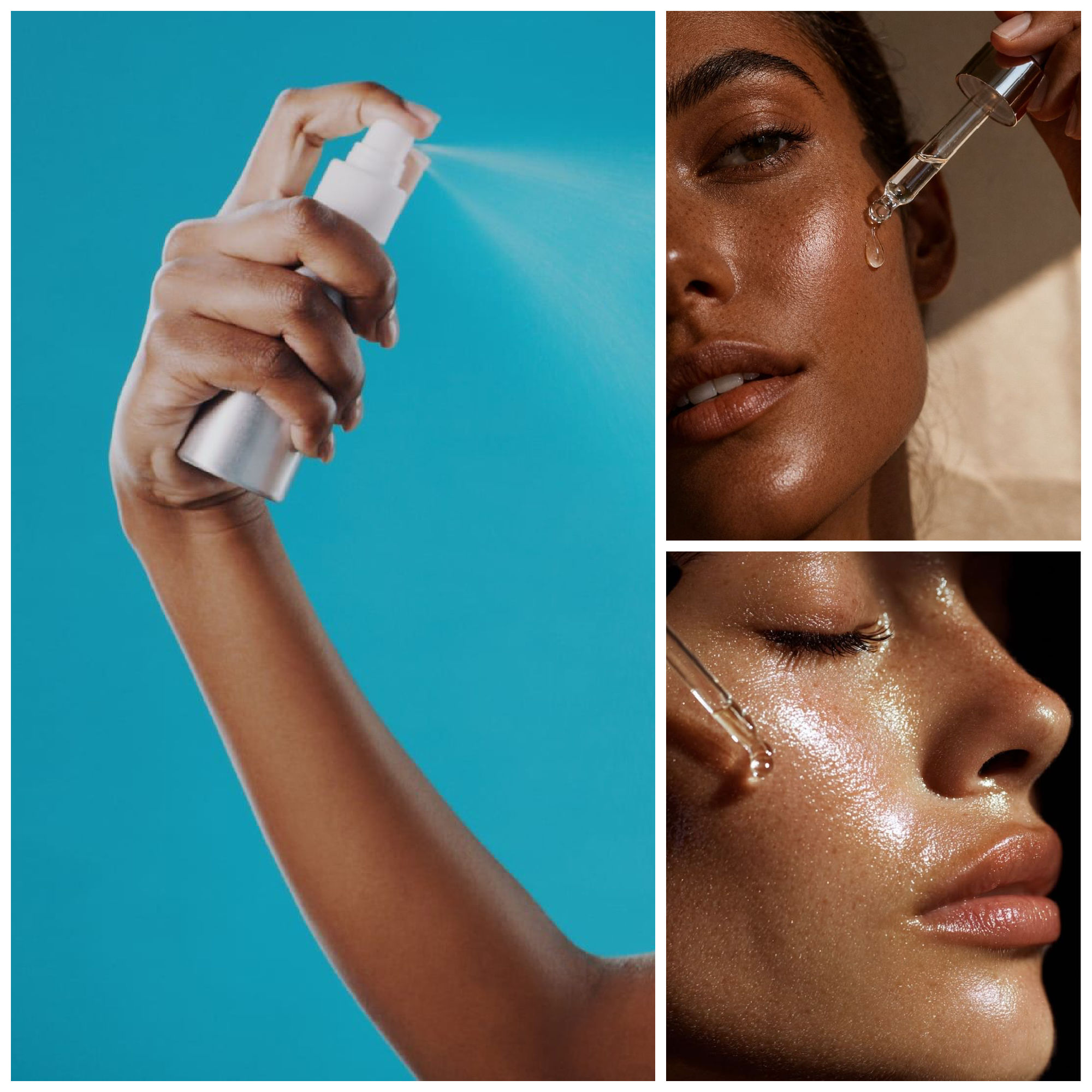
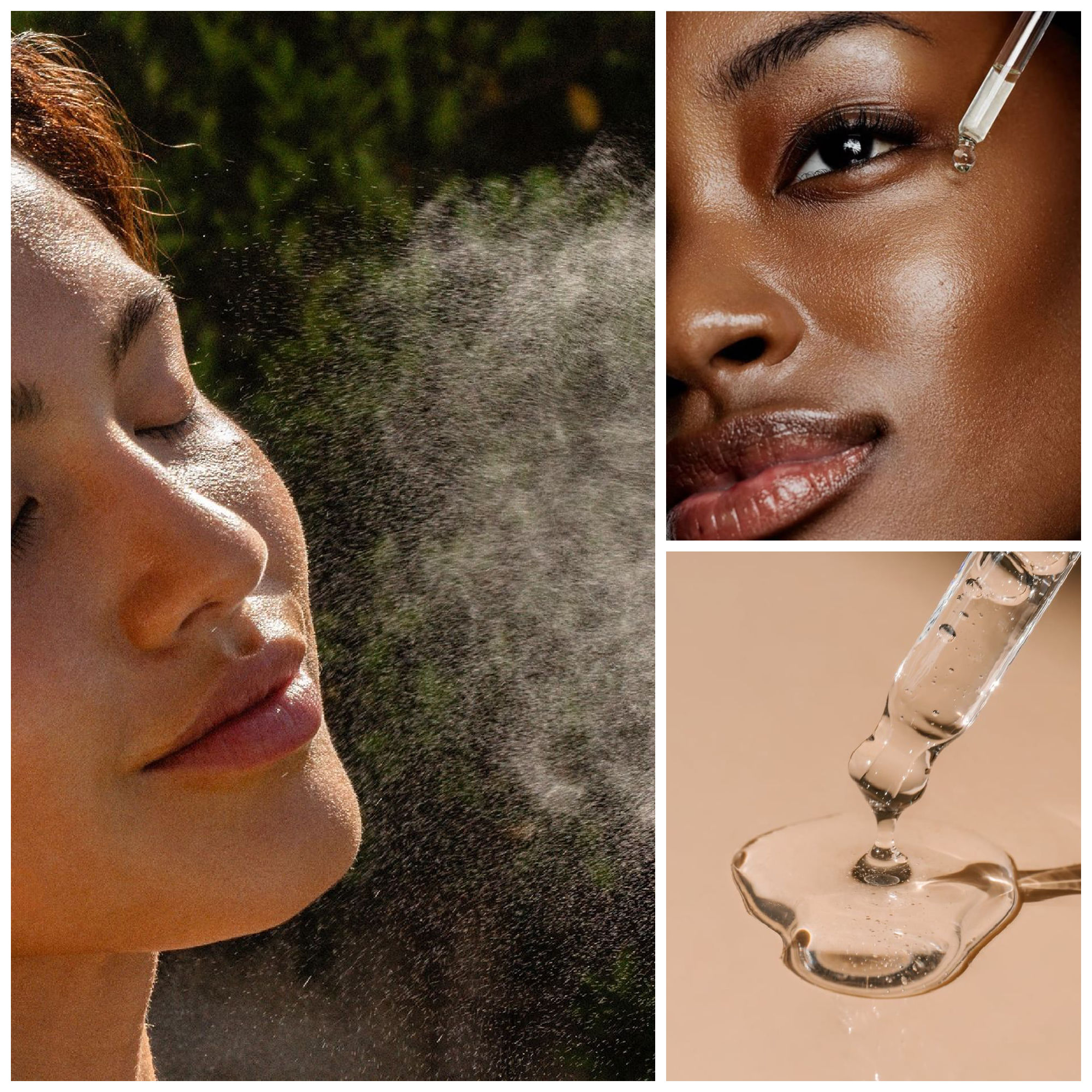
A hypochlorous acid spray for face application is one of the most practical ways to incorporate this ingredient into a skincare routine because it is fast, lightweight, and versatile.
Fights breakouts without over-drying. Because it is pH-neutral and naturally derived, it does not strip the skin the way benzoyl peroxide or strong acids can. For people who find that traditional acne treatments leave their skin tight, flaky, or overly sensitive, hypochlorous acid offers an effective alternative without the tradeoff.
Soothes sensitive and reactive skin. Whether you are managing eczema, psoriasis, rosacea, or general sensitized skin, a hypochlorous acid spray can be misted on during a flare-up to quickly calm the skin. It works well in situations where adding active ingredients would only aggravate things further.
Protects against environmental exposure. Throughout the day, skin is exposed to pollutants, bacteria from hands and surfaces, and environmental microbes. A midday or post-commute spritz creates an antimicrobial barrier that neutralizes these threats before they can penetrate and cause congestion or irritation.
Refreshes and resets after exercise. Sweat left on the skin after a workout creates an environment where bacteria multiply rapidly. Rather than heading straight to a full cleanse every time, a hypochlorous acid spray can reset the skin’s surface quickly and prevent post-workout breakouts from forming.
Works for all skin types. Because it is non-toxic, fragrance-free, and produced naturally by the body, hypochlorous acid does not trigger sensitivities or reactions. It is safe for acne-prone teens, dry and mature skin, and everything in between.
How to Add Hypochlorous Acid Spray to Your Routine
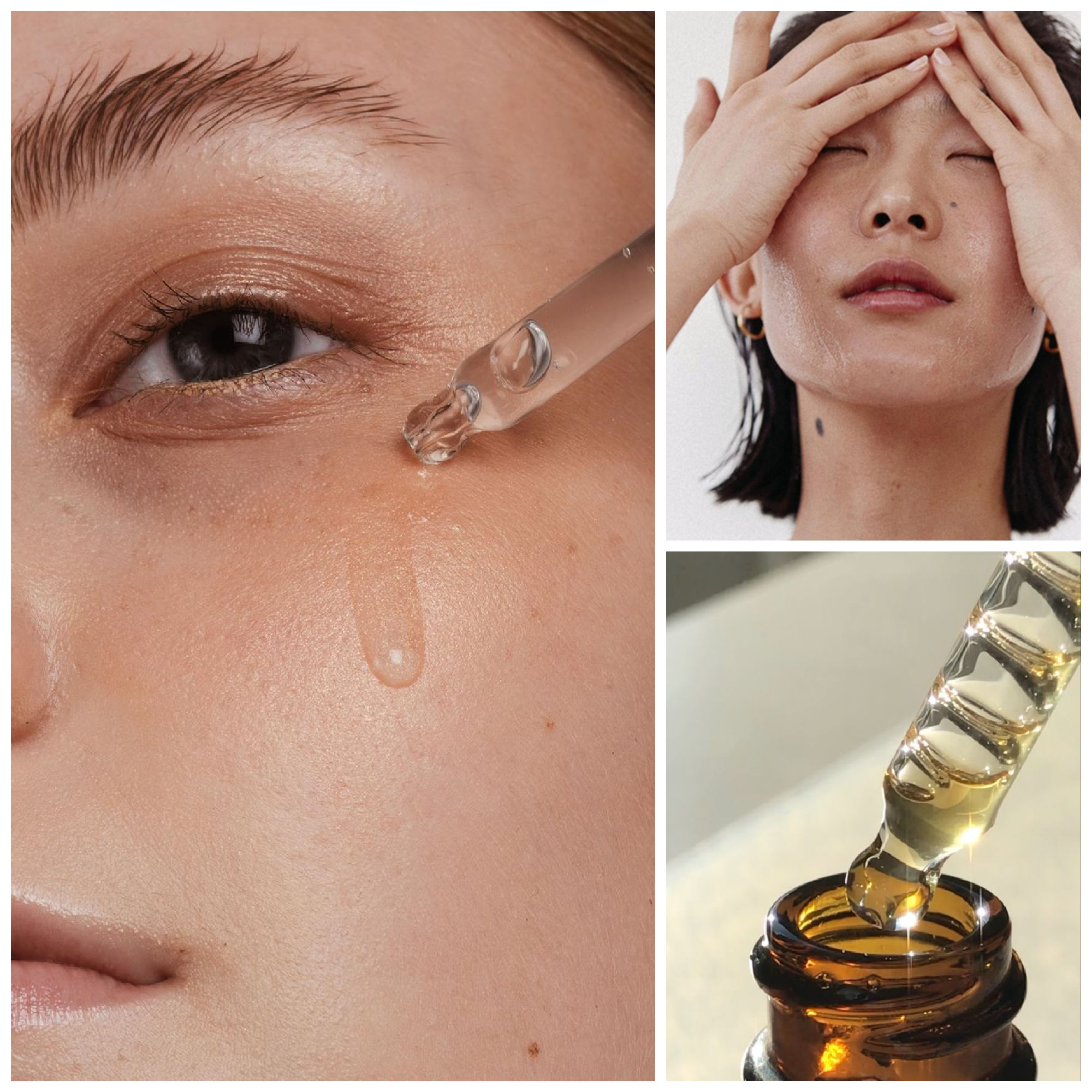
One of the reasons hypochlorous acid has become a skincare staple is how easily it fits into an existing routine without requiring major adjustments.
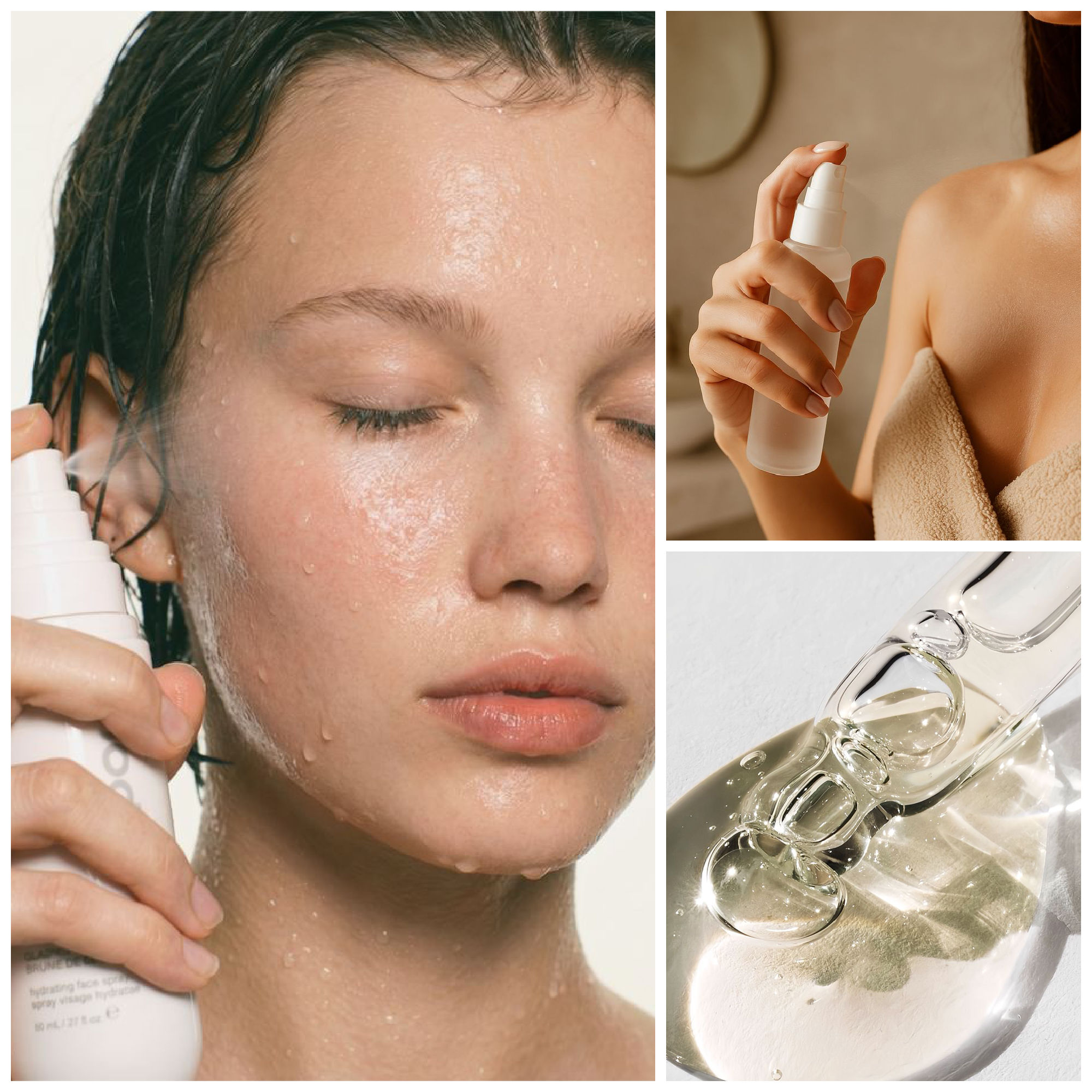
After cleansing, mist it across the face and allow it to dry completely before applying serums, actives, or moisturizer. This creates a clean, bacteria-free base that enhances the absorption and performance of everything applied afterward. It does not neutralize other ingredients as long as you allow it to dry first.
It can also be used as a midday refresh without removing makeup or disrupting the products underneath. Keep a travel-size bottle in a bag for use on planes, after workouts, after touching your face, or any time the skin needs a reset.
For active breakouts, it can be misted directly onto the affected area as a spot treatment to reduce bacterial load and calm inflammation while the skin heals.
CLEARSTEM’s SKINSPRAY ALL DAY is a hypochlorous acid spray formulated with added Magnesium PCA and Peptides to take the ingredient a step further, combining the antimicrobial and anti-inflammatory action of HOCl with deep hydration and skin-barrier support.
Who Should Be Using Hypochlorous Acid for Skin
The honest answer is almost everyone, but it is particularly valuable for a few specific groups.
People with acne-prone skin who are frustrated by harsh treatments that clear breakouts but damage the skin barrier will find hypochlorous acid a much more sustainable option. People with sensitive or reactive skin who cannot tolerate most actives now have a genuinely effective antimicrobial option that will not trigger a flare. Athletes and anyone with an active lifestyle will benefit from its ability to reset the skin quickly after sweating. And anyone doing post-procedure recovery, whether after facials, lasers, or extractions, will find that it speeds healing and reduces the risk of post-treatment breakouts.
The Bottom Line
Hypochlorous acid for skin is not a trend. It is a well-researched compound that has been used in medical settings for decades and is now being applied in skincare with impressive results. It addresses bacteria, inflammation, and healing simultaneously, with none of the irritation or disruption that accompanies most traditional acne and soothing treatments.
If you have been looking for something that genuinely works without making your skin more reactive in the process, a hypochlorous acid spray for face use is one of the most straightforward upgrades you can make to your routine.
xoxo


