How to Keep Your Floors Clean and Healthy: Practical Care Tips for Every Home

Clean floors are fundamental to a healthy home. Of all the surfaces in a house, floors take the most punishment — quietly accumulating dust, allergens, bacteria, and outdoor pollutants with every footstep. Choosing the right tools and a reliable floor cleaner for your specific surfaces can simplify everyday maintenance while protecting both your floors and the people living on them. For households with young children, pets, or allergy sufferers, that distinction matters more than most people realise. The encouraging news is that a consistent, well-matched routine goes a long way toward maintaining cleanliness and extending the life of your floors.
Understanding Your Floors: Know What You’re Cleaning
Not all floors are created equal, and using the wrong approach on the wrong surface can cause genuine, lasting damage. Here’s a brief overview of common flooring types and their key vulnerabilities:
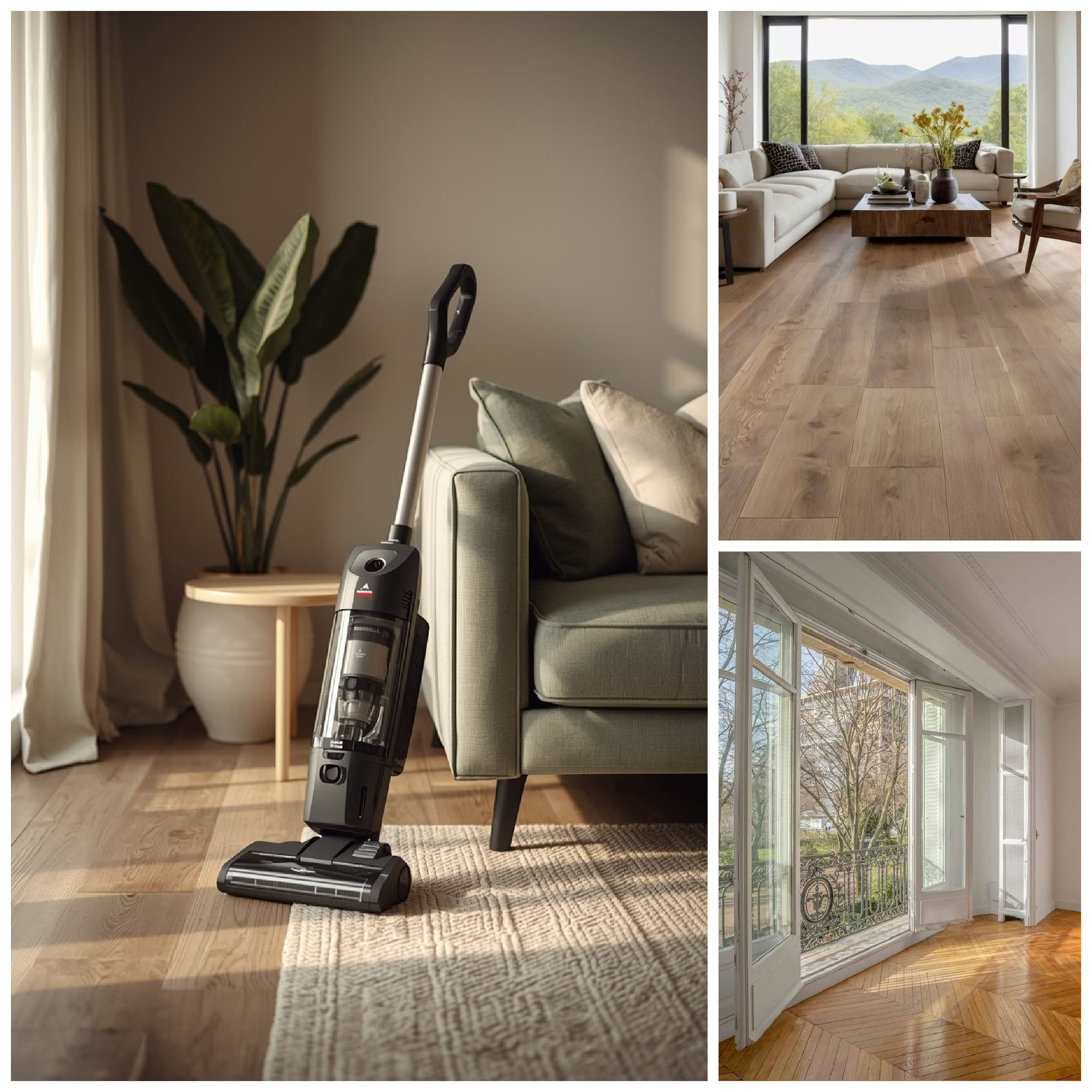
- Hardwood – Sensitive to moisture and prone to scratching from abrasive grit
- Laminate – Can swell or warp when exposed to standing water
- Vinyl – Durable, but harsh chemicals can dull its finish over time
- Tile and stone – Porous stone is vulnerable to acidic or highly alkaline cleaners; grout absorbs stains readily
- Carpet and rugs – Trap dust mites, pet dander, and allergens deep within their fibres
Knowing whether your surface is sealed or unsealed, and porous or non-porous, tells you a great deal about how it will absorb liquids and respond to cleaning products. Before introducing anything new, it’s always worth consulting your flooring manufacturer’s care instructions.

Building a Sensible Floor-Cleaning Routine
A tiered routine consistently outperforms the occasional heavy-duty clean. Think of it in three layers:
- Daily: Sweep or vacuum high-traffic areas — entryways and kitchens especially. Sand and grit tracked in from outside act like sandpaper underfoot, causing micro-scratches on hard floors that accumulate over time.
- Weekly: Vacuum all rooms thoroughly and mop hard floors as appropriate. Deal with spills and stains promptly; the longer they sit, the harder they become to shift.
- Occasionally: Deep-clean grout lines, wash area rugs, and move furniture to tackle what’s been hiding underneath.
Key takeaway: A simple, consistent routine is more effective than occasional heavy cleaning.
Homes with pets or young children will naturally need more frequent attention, particularly around play areas and feeding zones.

Tools and Techniques: Matching Methods to Floor Type
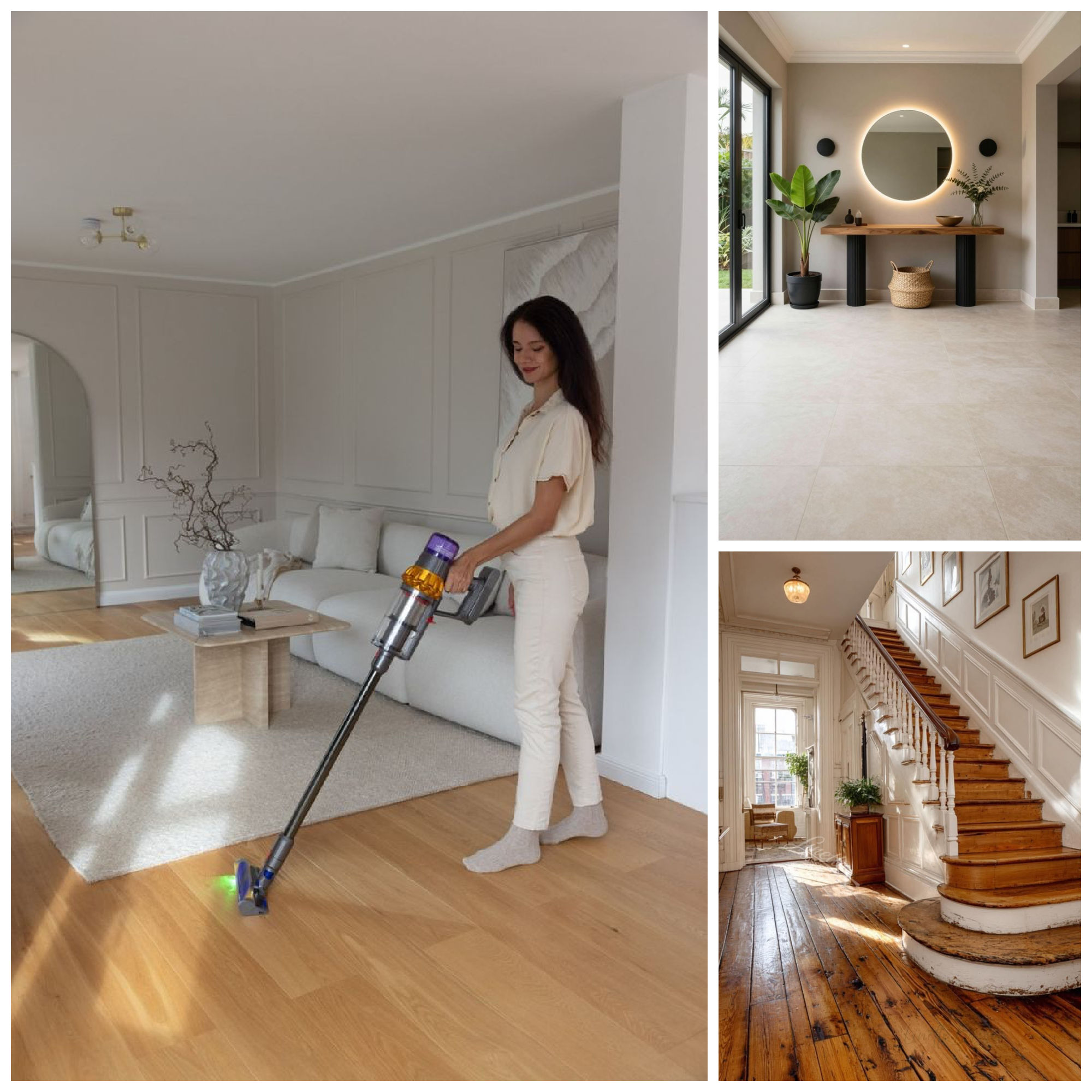
Dry cleaning — sweeping, dust mopping, and vacuuming — should always come first. Use soft-bristle attachments or appropriate vacuum heads on hard floors to avoid surface scratches. Vacuums with effective filtration are especially valuable for reducing airborne dust and allergens, which is particularly important for anyone with respiratory sensitivities.
For wet cleaning, moisture control is everything. A damp, well-wrung mop is the right tool for hardwood and laminate — if water drips freely from the mop head, it’s carrying too much moisture. Tile and sealed surfaces can tolerate slightly more, but standing water near seams or edges should always be avoided.
When selecting a specialised floor cleaner for a particular surface, pay attention to its pH level. Neutral solutions are broadly safe across most floor types, while acidic or strongly alkaline products can dull stone or compromise certain finishes. Always test any new cleaner on a small, inconspicuous area first.
One of the most common mistakes is using too much product. The residue left behind turns sticky, attracts more dirt, and leaves floors looking dull rather than clean. As a rule, less is more.

Safety and Health: Protecting People, Pets, and Floors
Safe floor cleaning extends well beyond technique. A few essential practices to keep in mind:
- Ventilate rooms when using chemical-based cleaners
- Store all products out of reach of children and pets
- Follow dilution instructions precisely
- Never mix cleaning products unless the label explicitly states it is safe — combining bleach with ammonia-based cleaners, for example, produces harmful fumes
Regular floor cleaning also helps reduce common indoor allergens, including dust mites, pet dander, and pollen. For sensitive households, low-fragrance or hypoallergenic products are worth considering. Consistent vacuuming and mopping — particularly in bedrooms and living areas — can meaningfully reduce allergen load over time, in line with guidance from indoor air quality and allergy health organisations.
Preventive Strategies: Keeping Floors Cleaner for Longer
Prevention genuinely lightens the cleaning load. A handful of simple habits can make a noticeable difference:
- Place door mats both inside and outside every entrance to catch dirt before it spreads
- Adopt a shoes-off policy indoors to limit tracked-in pollutants
- Fit protective pads under furniture legs to prevent scratches
- Wipe up spills immediately to avoid staining and moisture damage
Prevention is easier than repair. Homes that use even basic entrance mats and a no-shoes rule tend to find that weekly cleaning takes considerably less time and effort.
Bringing It All Together: Creating a Floor Care Plan That Works for You
Effective floor maintenance doesn’t demand expensive products or hours of labour — it demands the right knowledge, applied consistently. Know your floor type and its specific vulnerabilities. Build a realistic daily, weekly, and occasional routine that suits your household. Match your tools and cleaning methods to your surfaces. And cultivate simple preventive habits that reduce how much dirt enters your home in the first place.
Start small: identify one high-traffic area, set a straightforward weekly schedule for it, and put a mat at your front door. These modest changes compound over time in ways that are easy to underestimate.
Key takeaway: Consistent, gentle care tailored to your specific floor type keeps your home cleaner, safer, and your floors looking better for longer.
The advice in this article reflects general best practices for floor care. Always refer to your specific flooring manufacturer’s guidelines and product instructions, as recommendations can vary significantly between materials and brands.



xoxo


