Buying a ring online from an international brand? Here’s how to get the size right
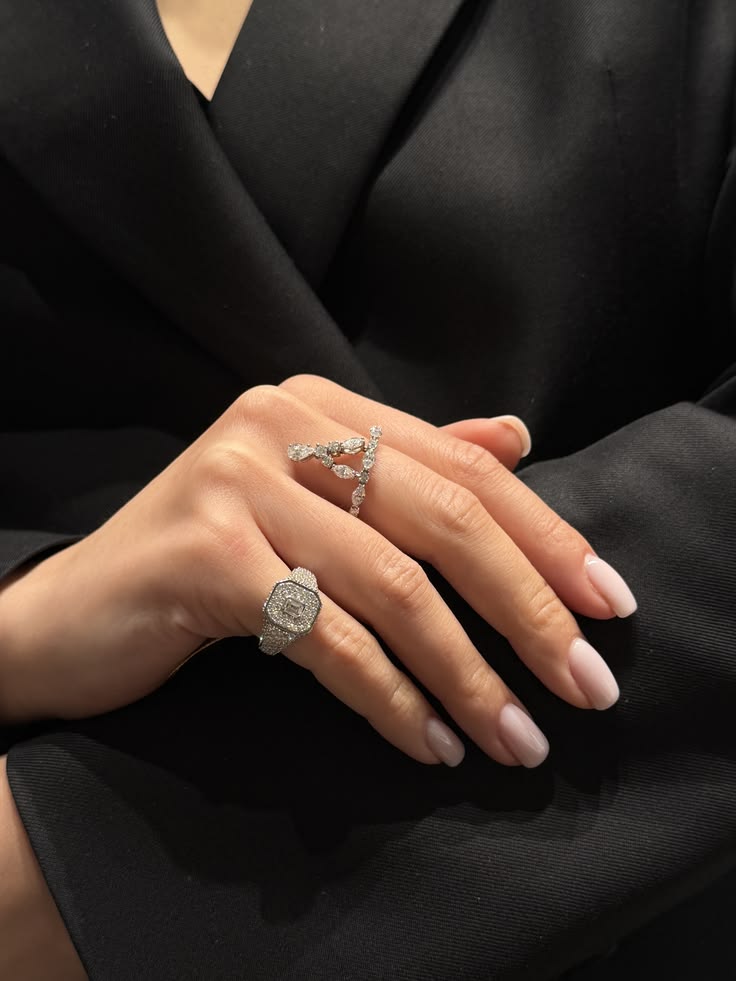
Buying a ring online from an international brand? Here’s how to get the size right Buying jewelry online has made it much easier to discover brands far beyond your local stores. A ring you find in London, Paris, Milan or Tokyo can be ordered in a few minutes. That opens up much more choice, particularly if you are looking for independent designers or something you are unlikely to find close to home. The difficult part often comes just before checkout: choosing the size. Ring sizing is far from universal. A size you know in the US may be shown as a letter on a British website, a different number in Europe, or another scale entirely in Japan. And when you start comparing conversion charts, things can get even more confusing. So, before ordering a ring from another country, it helps to understand what you are actually converting.
First, check which sizing system the brand uses
This sounds obvious, but it is easy to overlook. US sizes are generally shown as numbers and half sizes. The UK traditionally uses letters. Many European systems are closely tied to the ring’s internal circumference in millimeters, while countries such as Japan use their own sizing scales. That means a simple “size 7” does not tell you very much unless you know which system the jeweler is using. Most international brands will explain this somewhere in their size guide. If they do not, check before placing the order rather than assuming that the number matches the size you usually wear.
Your measurement matters more than the size label
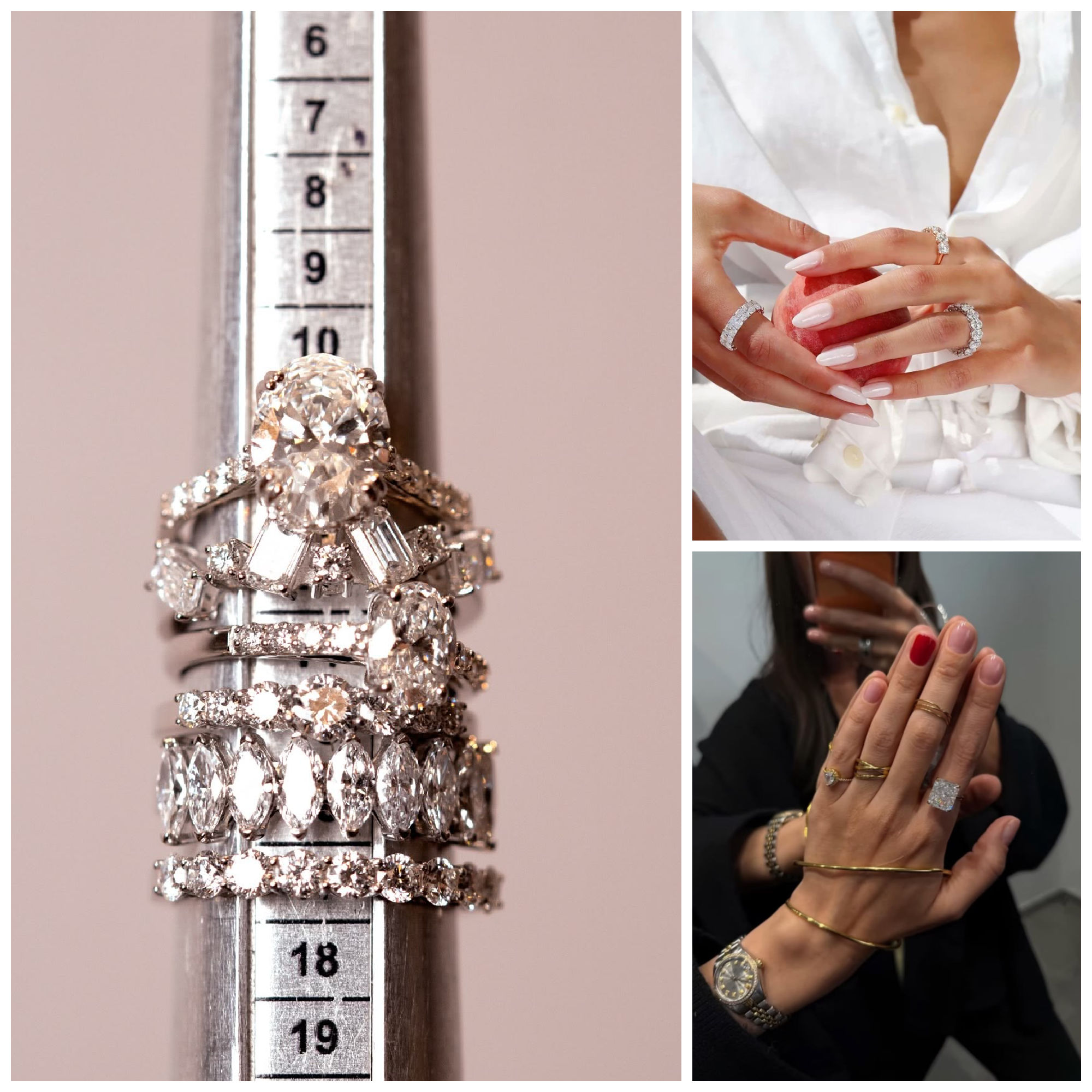
If you regularly buy jewelry from different countries, trying to remember your size in every system is not particularly useful. Knowing the actual measurement is. If you already own a ring that fits the right finger well, its internal diameter gives you a useful reference. If you do not, you can measure the circumference of the finger instead. Once you have that physical measurement, you can translate it into the sizing system used by the brand. That is much safer than thinking only in terms of “I am usually a US 6” or “I normally wear a UK L,” especially when ordering internationally.
Why conversion charts do not always agree
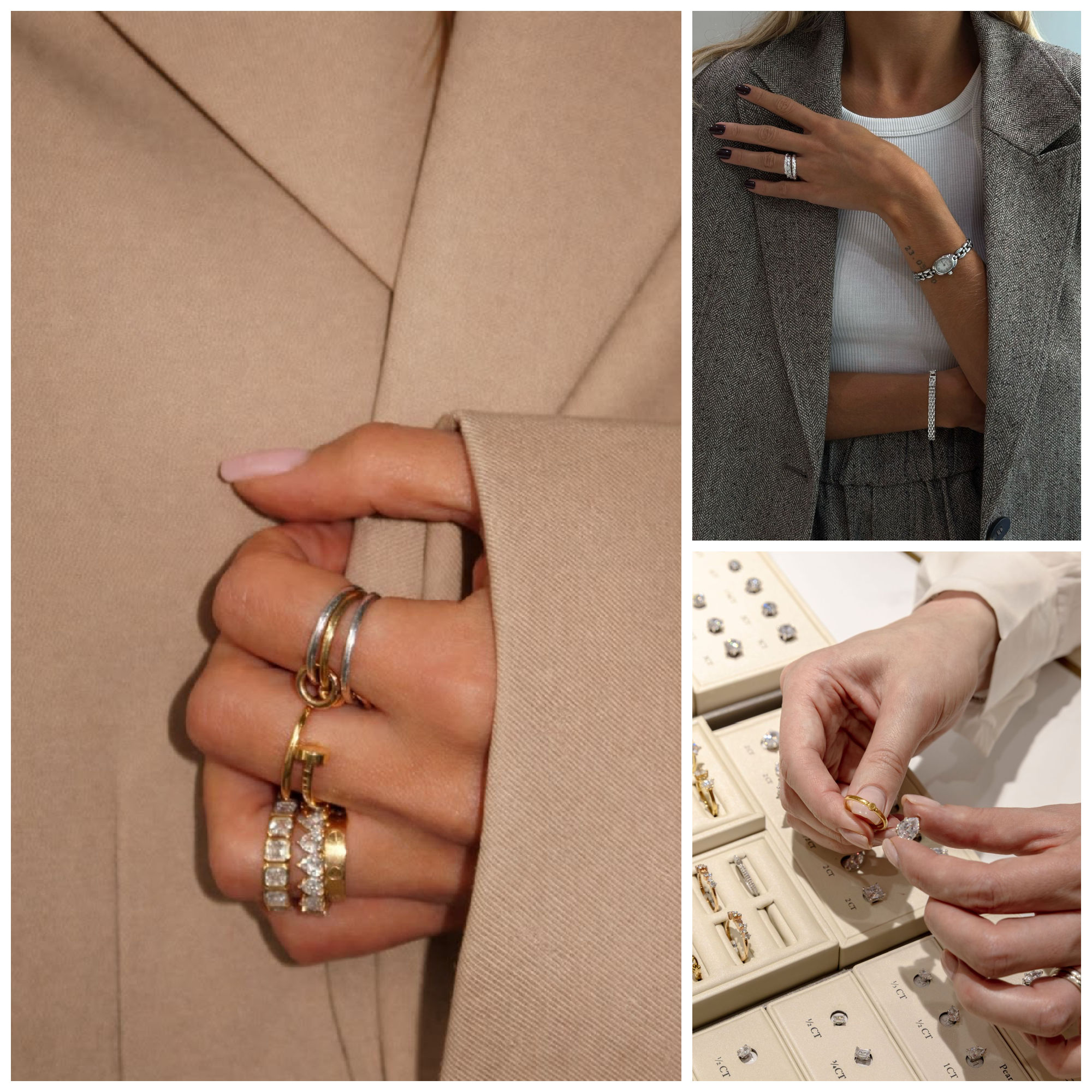
This is one of the more confusing parts of buying a ring online. Look up the equivalent of a US size in Europe or the UK and you may find slightly different answers depending on the chart you use. There is a reason for that. International sizing systems were not created as exact translations of one another. They use different intervals and conventions, so one size does not always land perfectly on a size in another system. Retailers can also round measurements differently or simplify their charts. For that reason, it is better to work from diameter or circumference where possible, rather than repeatedly converting one labeled size into another. Ringsize.online is particularly useful for international purchases because it brings together major sizing systems including the US, UK, EU, Japan, France, Brazil and India. Rather than relying on a retailer’s own conversion chart, its tables are built from the underlying measurements and recognized sizing standards used by each system, giving shoppers a more consistent and reliable way to compare sizes across countries.
If you already have a ring that fits, use it
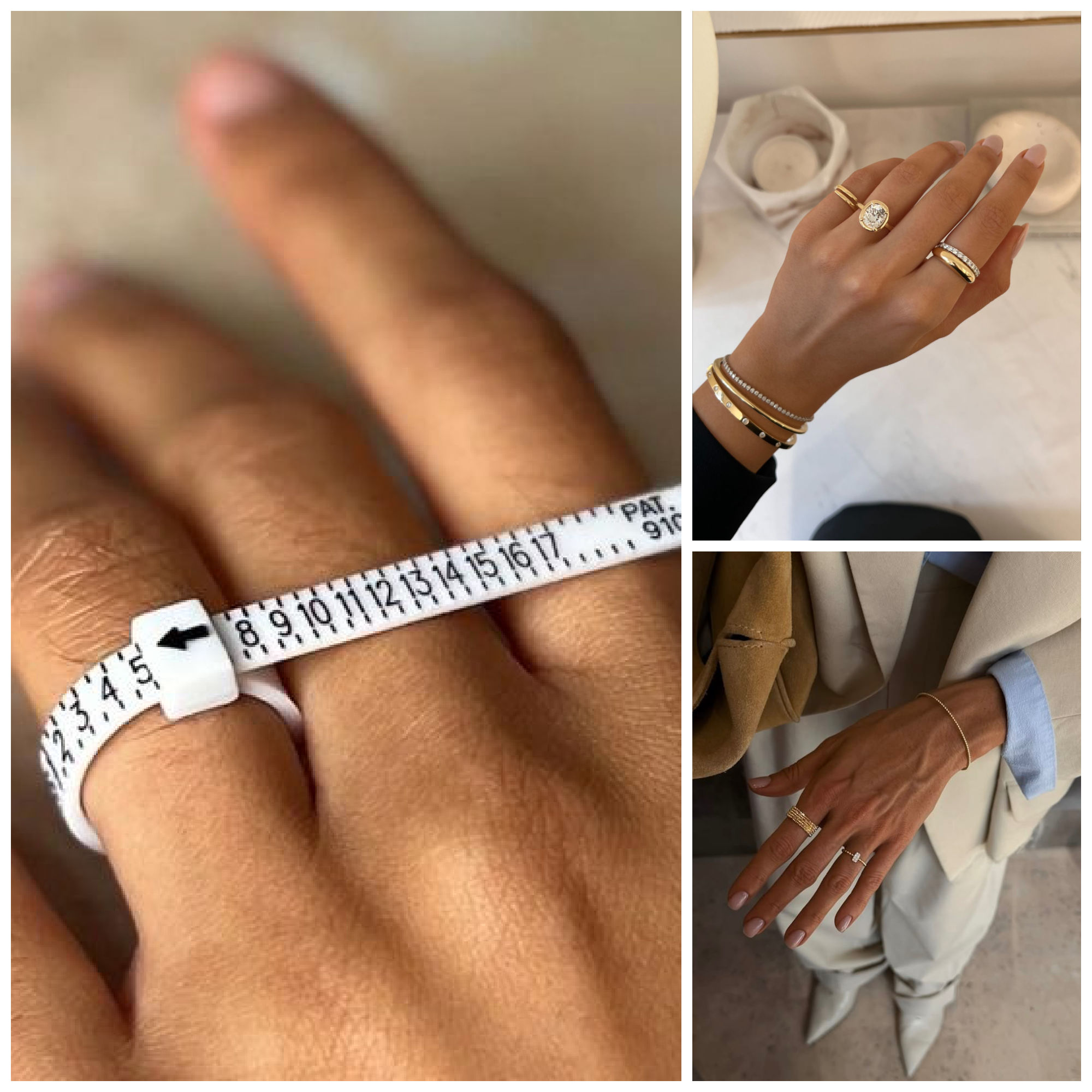
For most people, this is one of the easiest ways to start. Choose a ring that you already wear comfortably on the same finger. Ideally, it should also have a reasonably similar band width to the ring you are planning to buy. Measure the inside diameter from one inner edge to the other. Do not include the thickness of the band itself. Accuracy matters more than it might seem. A small difference in millimeters can move you toward the next size, so a caliper is useful if you have one. A precise ruler can also work if the measurement is taken carefully.
If you measure your finger, do it more than once
Finger size changes slightly. Heat can make fingers swell. Cold can make them contract. Exercise, travel and normal changes over the course of a day can also affect the fit. For that reason, one quick measurement is not always enough. Measure when your hands are at a normal temperature and, if possible, repeat the process at another point in the day. A ring should feel secure, but it should still pass over the knuckle without becoming difficult to remove.
Pay attention to the width of the band
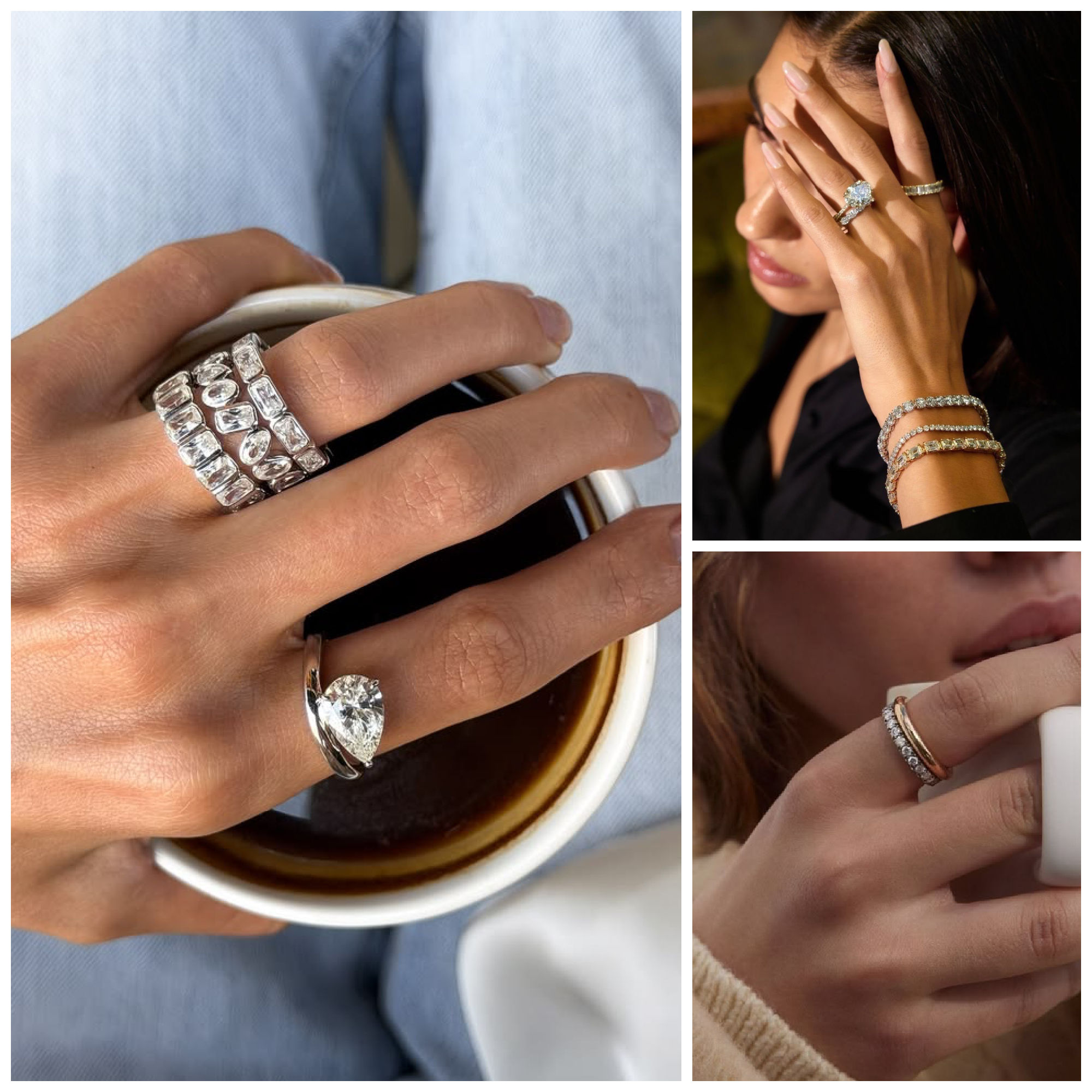
Size is only part of how a ring feels. A fine band and a wide band in the same nominal size can feel quite different. Wider rings tend to cover more of the finger and may feel tighter, while very slim bands can feel less restrictive. The shape of the inside of the ring also has an effect. This matters particularly with wide wedding bands, chunky rings and some signet styles. If the ring you are buying is much wider than the one you used as a reference, check whether the jeweler gives any specific sizing advice.
Check the returns and resizing policy before you order
Even when you measure carefully, international orders add another layer of inconvenience if the fit is wrong. Some jewelers will resize a ring. Others will exchange it. Custom, engraved or made-to-order pieces may not be eligible for either. Returns can also become more complicated once international shipping or customs are involved. It is worth checking this before placing the order, especially for a more expensive piece.
Buying internationally should not mean guessing
Shopping online has made it possible to buy from designers almost anywhere in the world. Ring sizing is one of the few parts of that experience that still feels surprisingly local. The easiest way around it is to stop thinking only in terms of size labels. Start with a reliable physical measurement. Check which sizing system the brand uses. Then convert that measurement into the closest appropriate size. That makes buying from an international jeweler much less uncertain, and gives you far more freedom to shop beyond the brands available at home.
xoxo


