Smoothing Forehead and Periorbital Lines: Clinical Considerations in Type A Botulinum Toxin Administration
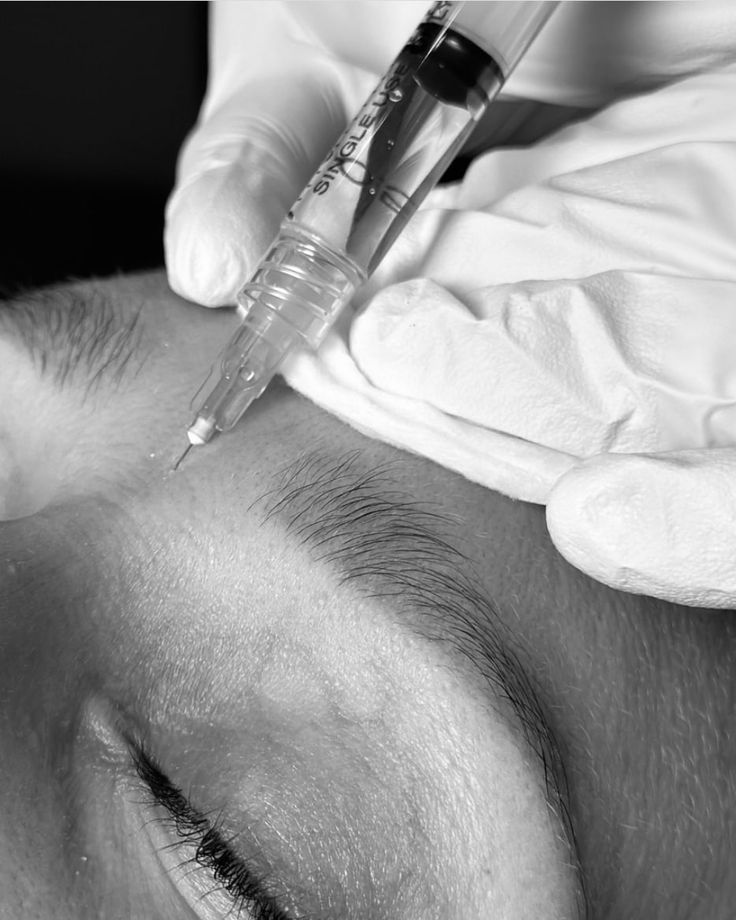
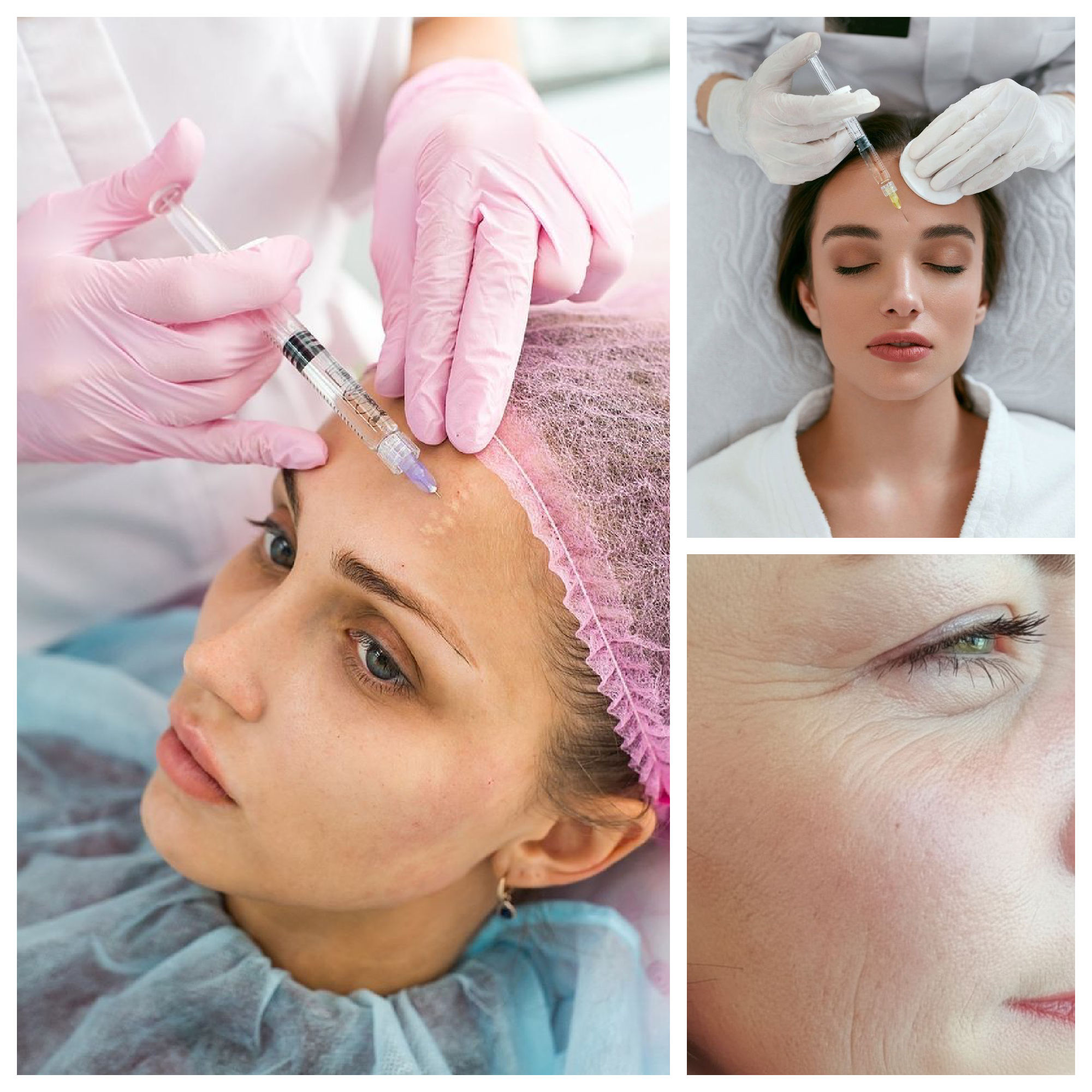
I’ve become more cautious about treating forehead lines with botulinum toxin, not less. The temptation is to see a visible horizontal line, identify the frontalis, and treat the muscle until the skin looks smooth. That approach misses the main clinical problem. The frontalis is doing useful work. It raises the brow and helps compensate for upper-eyelid and brow heaviness. Remove too much of its activity, and a technically successful wrinkle treatment can leave the patient with a result they dislike.
The same principle applies around the eyes. Crow’s feet are often driven by orbicularis oculi activity, but the pattern of contraction, skin quality, eyelid anatomy, and existing asymmetry vary considerably. Type A botulinum toxin works best when the injector treats muscle activity rather than treating lines as if they were independent surface defects. Consensus guidance supports this individualized approach, with assessment of facial anatomy, muscle tone, movement, and adjacent structures before selecting injection sites and dose.
Start with movement, not the wrinkle
A static photograph tells only part of the story.
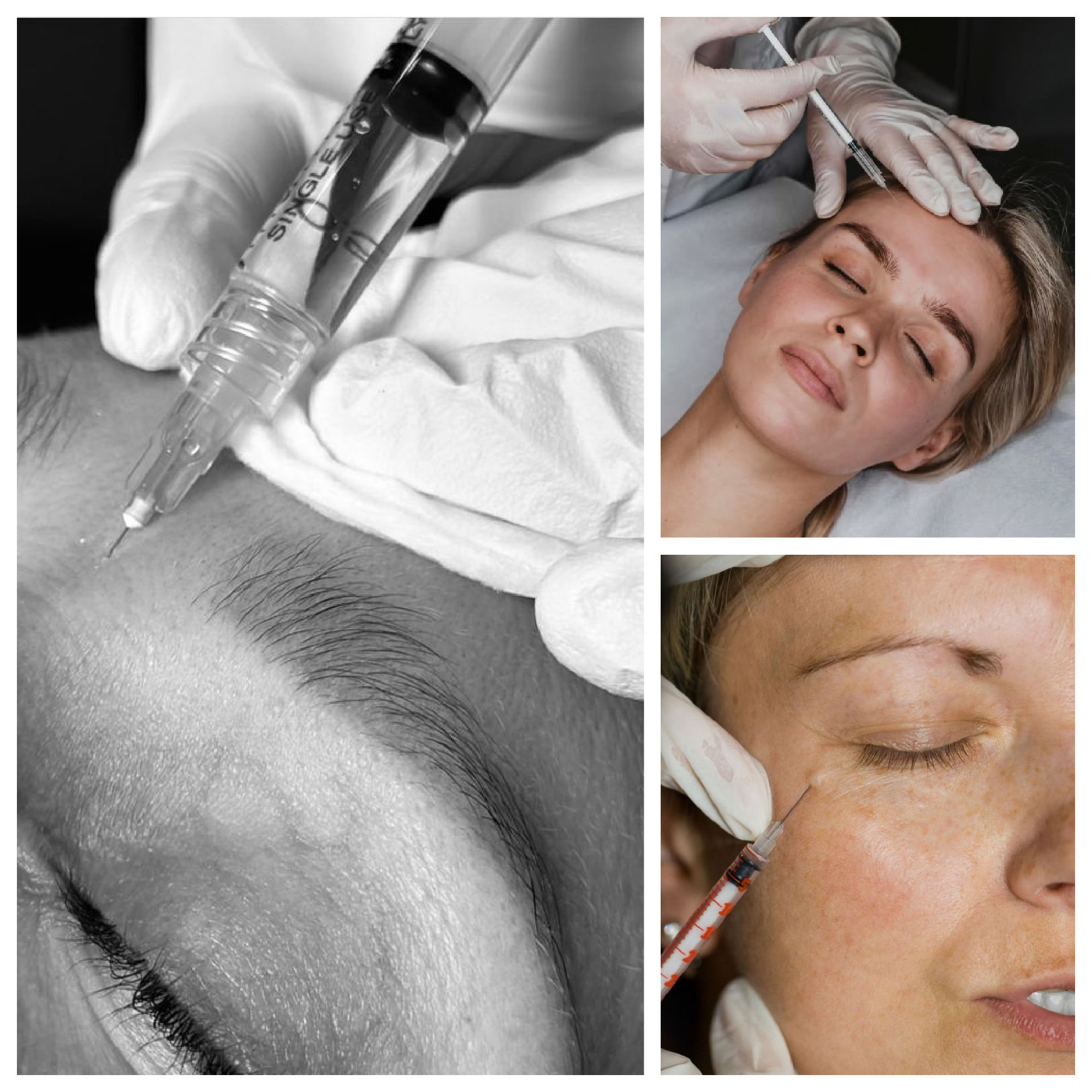
For forehead treatment, I’d rather watch a patient raise the eyebrows, relax, frown, smile, and close the eyes than spend another minute studying a magnified photograph. Horizontal forehead lines are closely associated with frontalis contraction. The muscle elevates the eyebrows, so reducing its activity without considering the opposing brow depressors can alter brow position and facial expression.
This becomes especially important in patients who already rely heavily on frontalis activity to keep the upper face open. Someone with mild brow descent, upper-eyelid heaviness, or compensatory forehead contraction deserves a different treatment discussion from a patient with a strong, mobile frontalis and excellent brow support.
There’s another distinction worth making. Dynamic lines and established static lines aren’t the same clinical problem. Dynamic rhytides appear or deepen with muscle contraction. Static lines persist at rest because the skin has undergone structural change, including reduced elasticity and repeated folding. Botulinum toxin addresses the muscular component. It doesn’t replace lost dermal volume or reverse significant photodamage. Expert consensus specifically notes that deep static lines associated with reduced skin elasticity aren’t appropriate targets for toxin alone.
The forehead is a balancing act
Forehead treatment is where conservative dosing earns its reputation.
The frontalis, corrugator supercilii, procerus, orbicularis oculi, and related muscles interact continuously. Treating one region changes the visual relationship with another. This is why a standard injection map can be useful as a starting reference but shouldn’t become a substitute for facial assessment.
The FDA-approved labeling for onabotulinumtoxinA illustrates the point. For forehead lines, the prescribing information recommends treatment alongside glabellar lines, with site selection informed by forehead size and the distribution of frontalis activity. The stated rationale includes reducing the risk of brow ptosis.
That doesn’t mean every patient needs an identical protocol. It means the forehead shouldn’t be viewed in isolation.
A practical decision framework looks something like this:
| Clinical presentation | Primary consideration | General treatment thinking |
| Strong dynamic forehead lines with good brow support | Frontalis hyperactivity | Conservative toxin treatment may be appropriate |
| Forehead lines plus heavy upper lids or low brows | Dependence on frontalis activity | Treat cautiously, reassess brow position and expectations |
| Deep lines visible at rest | Static skin change | Toxin can address muscle activity, but another modality may be needed |
| Crow’s feet with strong lateral orbicularis contraction | Dynamic periorbital activity | Toxin can soften contraction while preserving useful expression |
| Fine lines extending well below the lateral canthus | Skin quality or volume loss may contribute | Avoid assuming every line is an orbicularis problem |
| Marked facial asymmetry before treatment | Baseline structural or muscular difference | Document carefully and individualize treatment |
The key is the last column. There isn’t a universal number of units that produces a universal face.
Periorbital lines require a smaller margin for error
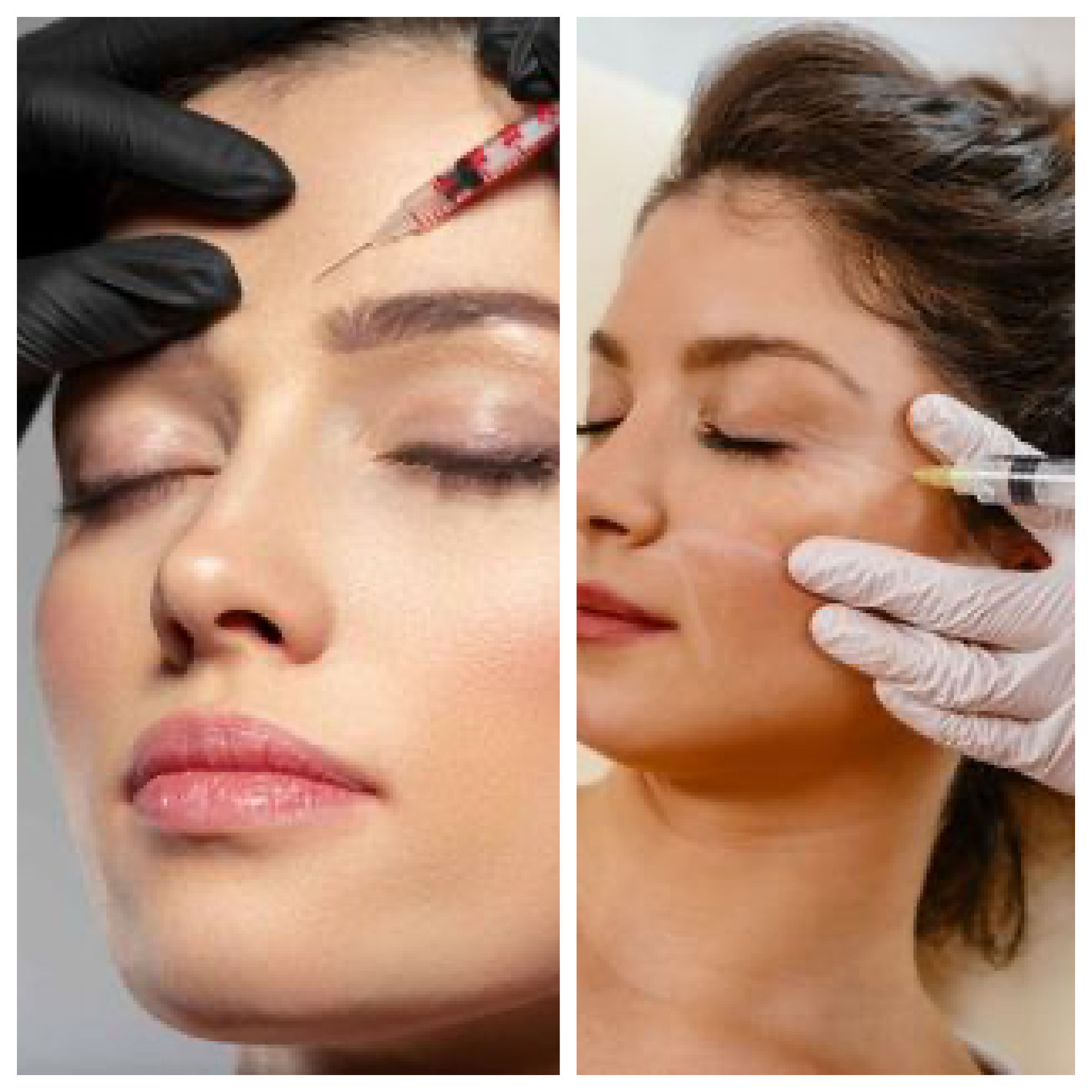
Crow’s feet are generated largely by orbicularis oculi contraction. The muscle has a necessary job, though. It contributes to eyelid closure and facial expression, so the goal isn’t to eliminate movement around the eye.
The FDA labeling for onabotulinumtoxinA places lateral canthal injections within the lateral orbicularis oculi and specifically describes directing the needle away from the eye. Consensus recommendations similarly emphasize careful positioning around the orbital region and adjustment of treatment according to the patient’s anatomy.
This is an area where small anatomical differences matter. A patient with shallow lateral lines and strong orbicularis contraction presents differently from someone with severe photoaging, thin skin, lower-eyelid laxity, or rhytides extending toward the cheek.
And there’s a common mistake here: assuming every visible periorbital line is caused by muscle contraction. Some are. Others reflect skin texture, elastosis, volume change, or a combination. The treatment needs to match the dominant cause.
Product selection is part of clinical judgment
Another point worth keeping straight is that Type A botulinum toxin products are not interchangeable on a unit-for-unit basis simply because they belong to the same pharmacological class. Different preparations have their own manufacturing characteristics, formulations, labeled indications, and potency units. Published consensus recommendations specifically caution against treating unit measurements from different products as automatically equivalent.
For clinics sourcing injectable products, authenticity and supply-chain controls therefore belong in the clinical conversation. A practitioner needs confidence in the identity, storage conditions, packaging, traceability, and regulatory status of the product being administered.
For clinicians comparing injectable categories, a useful distinction is between neurotoxin products designed to modulate muscle activity and bio-remodeling injectables designed around skin quality and tissue characteristics. The latter category includes products such as Profhilo, where the clinical discussion centers on skin bio-remodeling rather than neuromuscular relaxation. If you’re reviewing product categories or sourcing information, the page for purchase authentic Botulax products currently presents a wholesale product platform with Profhilo® offerings including H+L, Structura, and the Profhilo® Body Kit, along with information on their mechanisms, application approaches, and safety considerations. That makes it useful as a product-reference point, but it shouldn’t be confused with a clinical protocol for botulinum toxin administration.
That distinction matters because a bio-remodeling injectable isn’t a substitute for a neuromodulator when the primary problem is excessive muscle contraction. Conversely, toxin isn’t a universal answer for skin laxity or dermal quality.
What I screen before injecting
The most useful pre-treatment assessment is often simple.
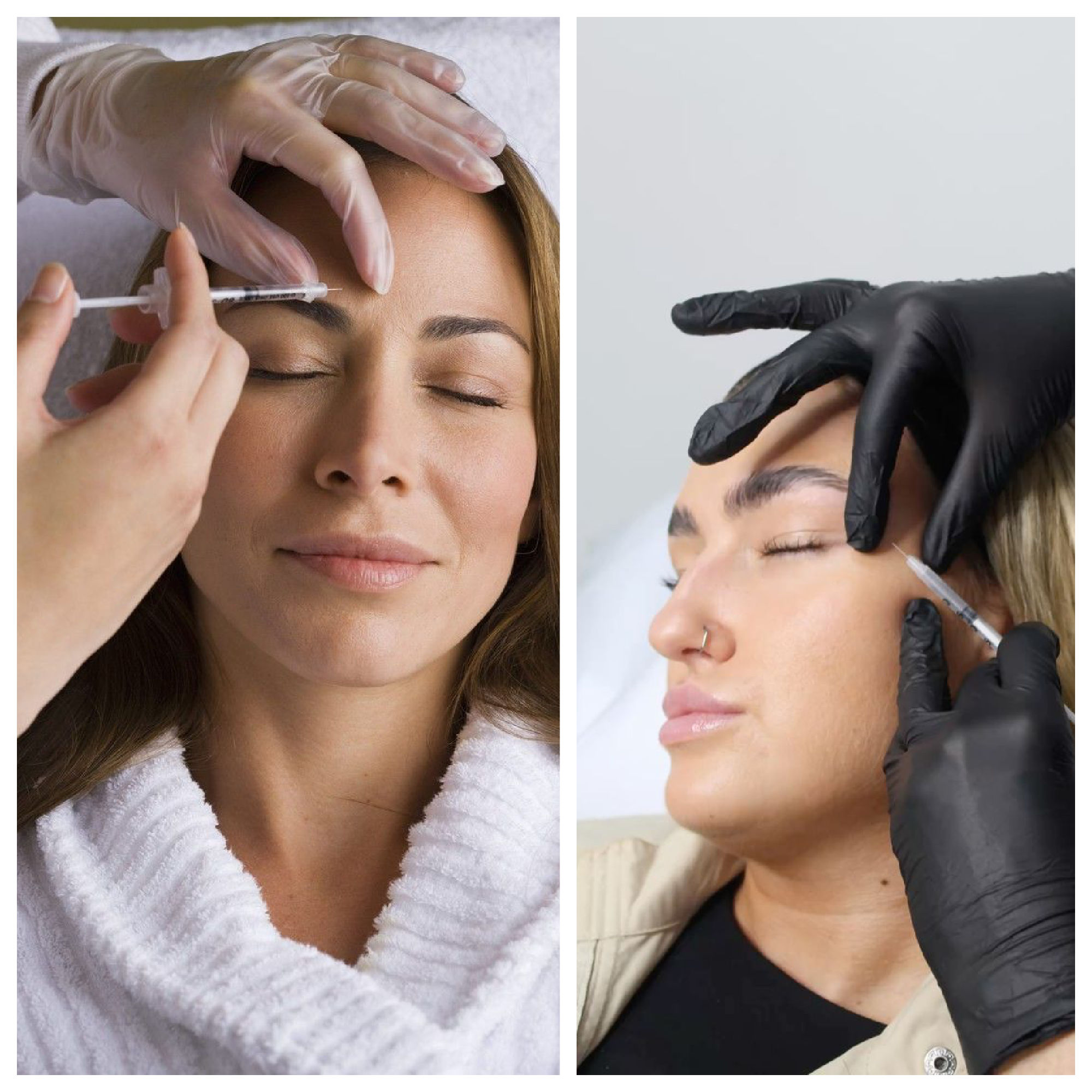
I want a clear baseline photograph and a dynamic examination. I also want to know whether the patient has previously received toxin, what product was used, when it was administered, how long the effect lasted, and whether there were complications. A patient who reports that their brows dropped after the previous treatment deserves a different plan from someone who has tolerated several treatments without difficulty.
I’d also document:
- Baseline brow height and symmetry
- Upper-eyelid heaviness or pre-existing ptosis
- Frontalis strength and contraction pattern
- Glabellar activity
- Orbicularis oculi activity
- Existing facial asymmetry
- Static versus dynamic components of the lines
- Previous aesthetic procedures
- Patient expectations regarding movement and expression
Contraindications and precautions matter as well. Product-specific prescribing information should always take priority. Published consensus guidance identifies pregnancy and lactation, neuromuscular disorders such as myasthenia gravis and Lambert-Eaton syndrome, and certain other clinical circumstances as important considerations when assessing suitability.
Patients also need a realistic discussion of adverse effects. Local pain, swelling, redness, bruising, brow or eyelid ptosis, and unwanted weakness are among the recognised problems associated with aesthetic botulinum toxin treatment. Rare systemic effects have also been reported.
Don’t chase complete stillness
One of the more useful changes in aesthetic practice has been moving away from the idea that a successful upper-face treatment means complete immobility.
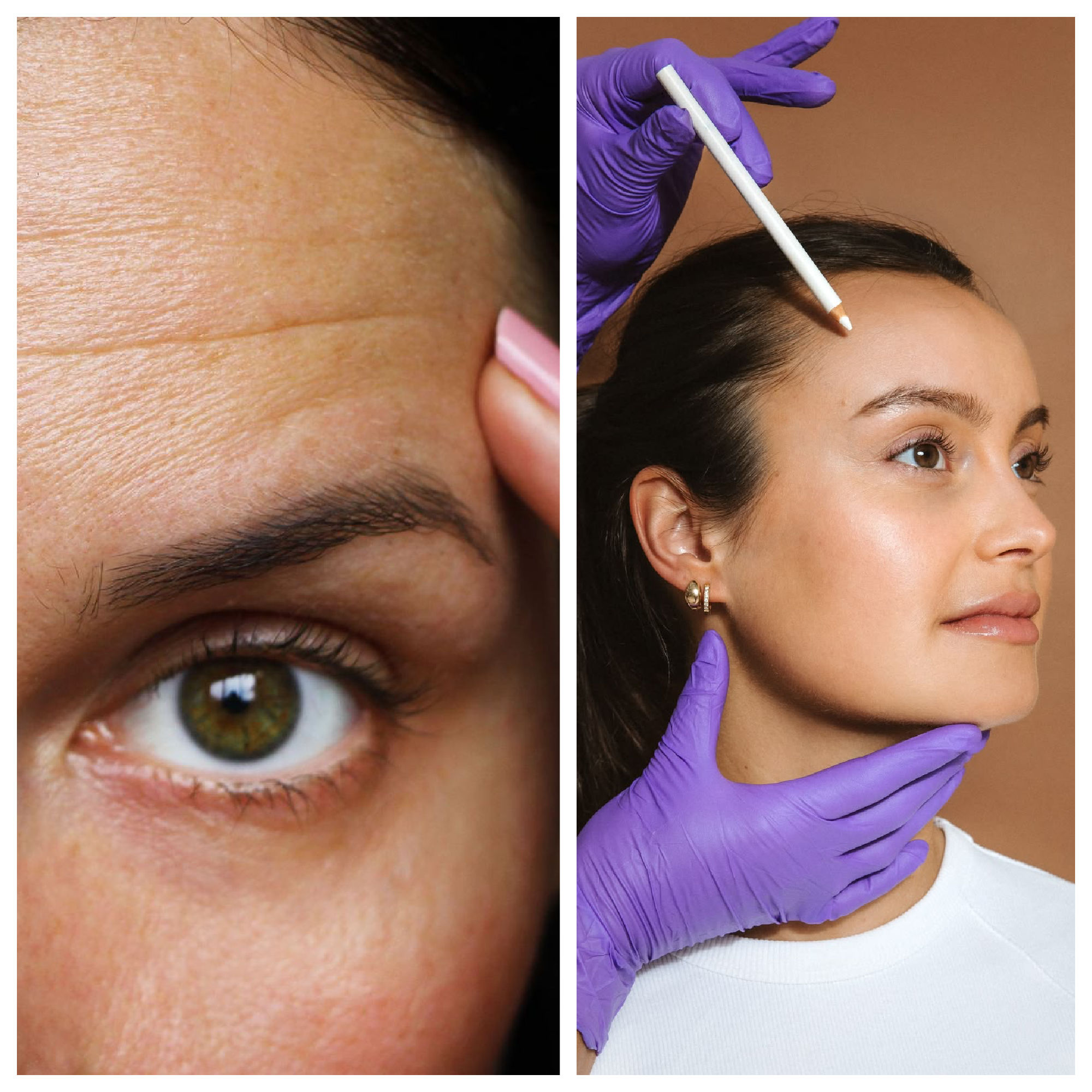
The better endpoint is controlled movement. A patient should still look like themselves when they raise their eyebrows or smile. The forehead can appear softer without looking frozen, and the lateral eye area can look less creased without erasing every trace of expression.
That requires restraint.
Consensus recommendations repeatedly return to individualized assessment because facial anatomy varies too much for a single injection pattern to fit everyone. The practical implication is straightforward: dose should follow muscle activity and anatomy, rather than the other way around.
There’s also value in reviewing the patient after the toxin has taken effect rather than assuming the initial treatment was the final answer. Brow position, asymmetry, residual movement, and patient perception become easier to judge once the treatment has settled.
For clinic owners, this has a business implication as well as a clinical one. Conservative treatment with careful documentation often produces more predictable patient satisfaction than aggressive treatment followed by attempts to correct an overtreated forehead.
The most convincing upper-face result is usually the one where nobody can identify what was done. The patient looks rested, the lines are softer, the brows still move, and the face hasn’t lost its character. That outcome starts before the syringe is opened.
xoxo