How Diamond Shape Changes the Look of Lab Grown Engagement Rings
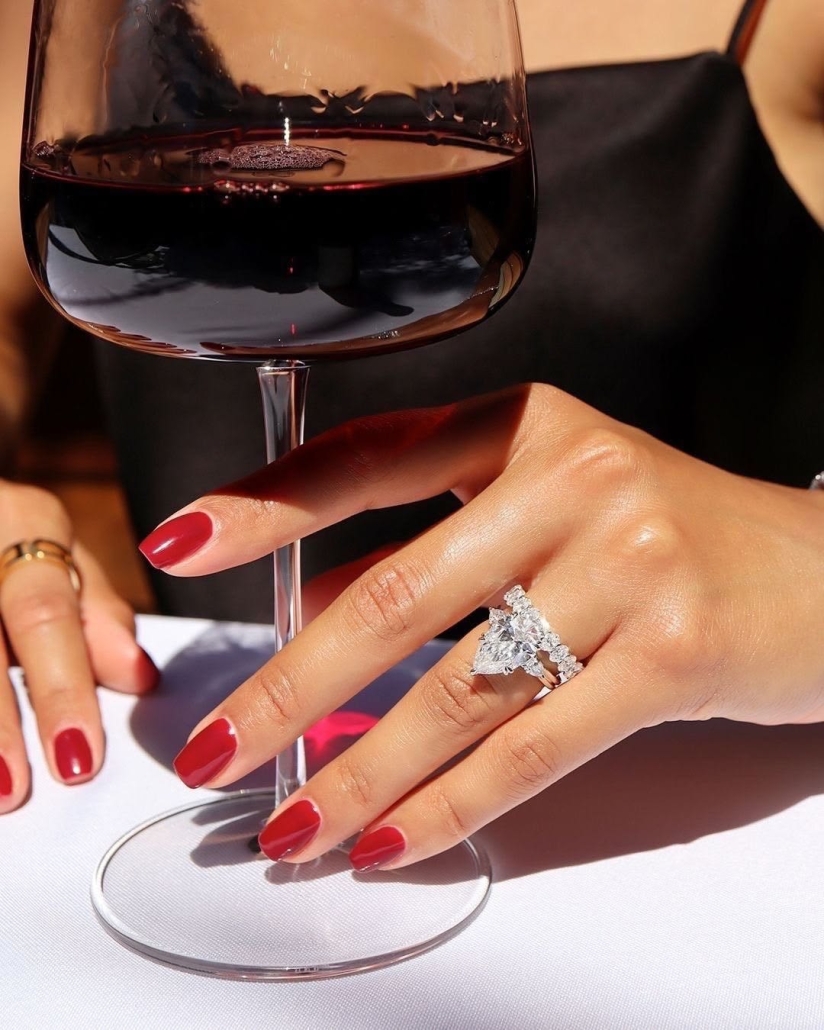
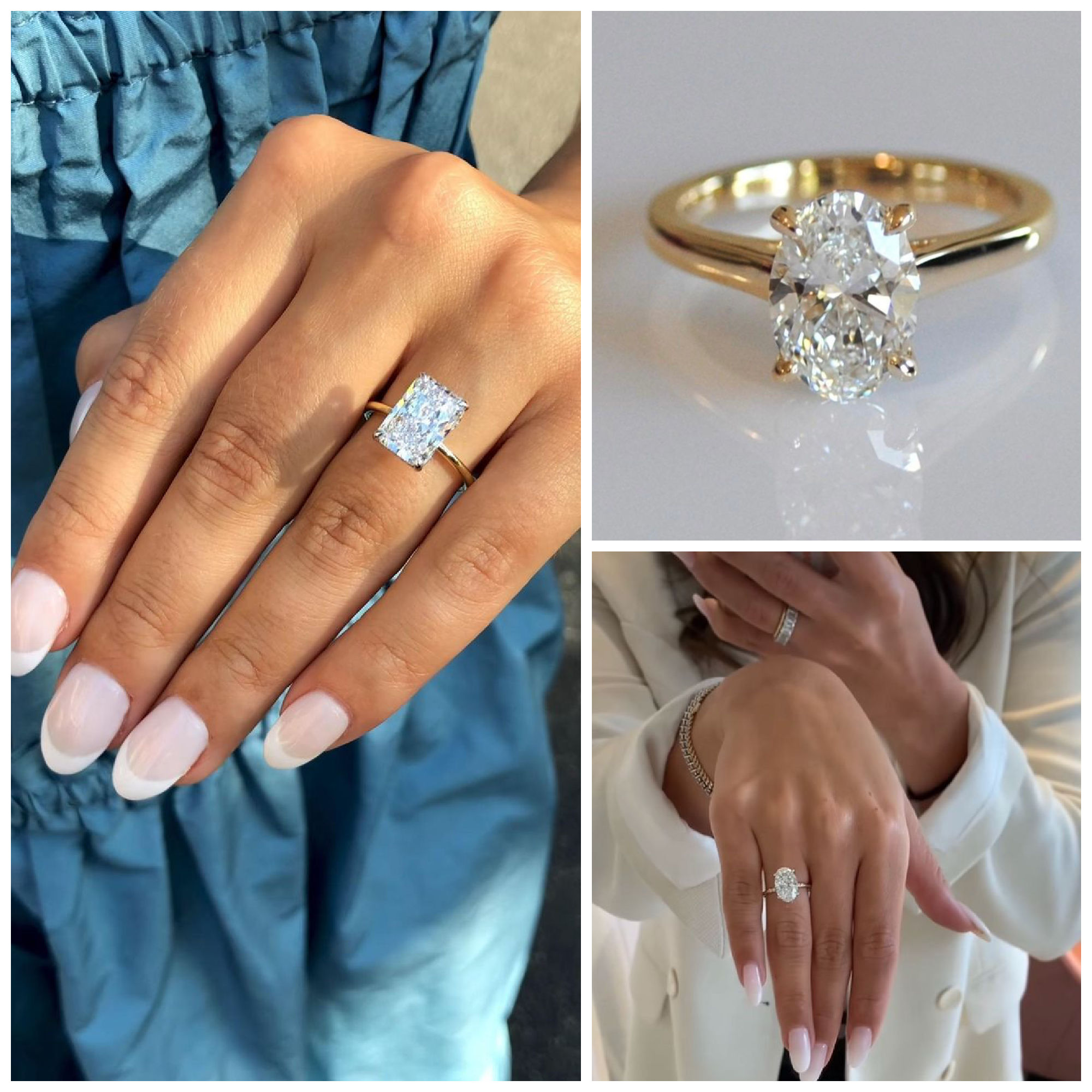
Diamond shape is one of the most powerful decisions you’ll make when choosing an engagement ring. Before you settle on metal type, setting style, or carat weight, the shape of the center stone determines how the ring reads on the hand, how much light it throws, and whether the overall look feels vintage, modern, romantic, or bold. Lab grown diamonds now come in every shape that mined stones do, at a fraction of the price, which means you’re free to choose a shape based on pure aesthetics rather than budget constraints. Two rings with identical carat weights can look dramatically different depending on the cut, and that’s worth understanding before you make your choice.
How Diamond Shape Affects Visual Size and Brilliance in Lab Grown Rings
Browse any collection of lab grown engagement rings and you’ll notice something: certain stones look bigger than others at the same carat weight. Shape is almost always the reason. LOHR carries stones selected at a minimum of E color and VS1 clarity, so the shape itself becomes the defining visual variable among comparable rings. Every diamond shape distributes its mass differently; some cuts spread more weight across the table (the flat top surface) and less into the depth beneath it. That trade-off directly affects how large a stone appears face-up. A one-carat oval, for instance, will look noticeably larger than a one-carat round brilliant, purely because the oval’s elongated outline covers more finger surface area. The real advantage here is this: knowing the relationship between shape and perceived size gives you a concrete edge when you’re weighing value and visual impact together.
Understanding Face-Up Appearance Across Different Shapes
How a diamond looks from directly above when set in a ring, what we call its face-up appearance, varies considerably across different shapes. Round brilliants carry roughly 40% of their carat weight in depth, which means a large portion of the stone sits below the setting and doesn’t contribute to the visible surface. Elongated shapes like oval, pear, and marquise spread their weight differently. Instead of dropping down into depth, they spread across a longer footprint, so visible surface area increases without adding carat weight. A one-carat marquise can have a face-up surface area nearly 15% larger than a one-carat round according to general gemological comparison data. That makes it appear noticeably bigger to the eye; the math is straightforward. Square shapes like princess and cushion cut occupy the middle ground, with a compact footprint that reads as noticeable but not especially large for the weight. And here’s the practical takeaway: if maximizing visual size matters to you, an elongated shape in a lab grown stone delivers some of the most impressive face-up presence per dollar you’ll find anywhere in the fine jewelry market.
Light Performance and Sparkle Variations by Shape
Not all diamond shapes throw light in the same way, and the differences are visible to the naked eye in a well-lit room. Round brilliant cuts are engineered around a 58-facet geometry that reflects light internally and redirects it upward through the table, producing the bright, white flashes most people associate with diamond sparkle. That pattern is called brilliance. Cushion cuts and oval cuts share a similar facet structure; they produce strong brilliance as well, though with a slightly softer, warmer quality to the light return. Step cuts like emerald and Asscher work completely differently in their optical behavior. Their large, parallel facets act more like mirrors than prisms, producing flashes of contrast called the “hall of mirrors” effect rather than the scattered sparkle of brilliant cuts. Neither approach is superior; they just deliver a different aesthetic. You’ll notice that step cuts offer clean, glassy elegance over disco-ball sparkle, which is exactly what you’ll get from a step-cut lab-grown diamond, especially when it’s paired with a well-made setting.
Popular Diamond Shapes and Their Unique Aesthetic Impact
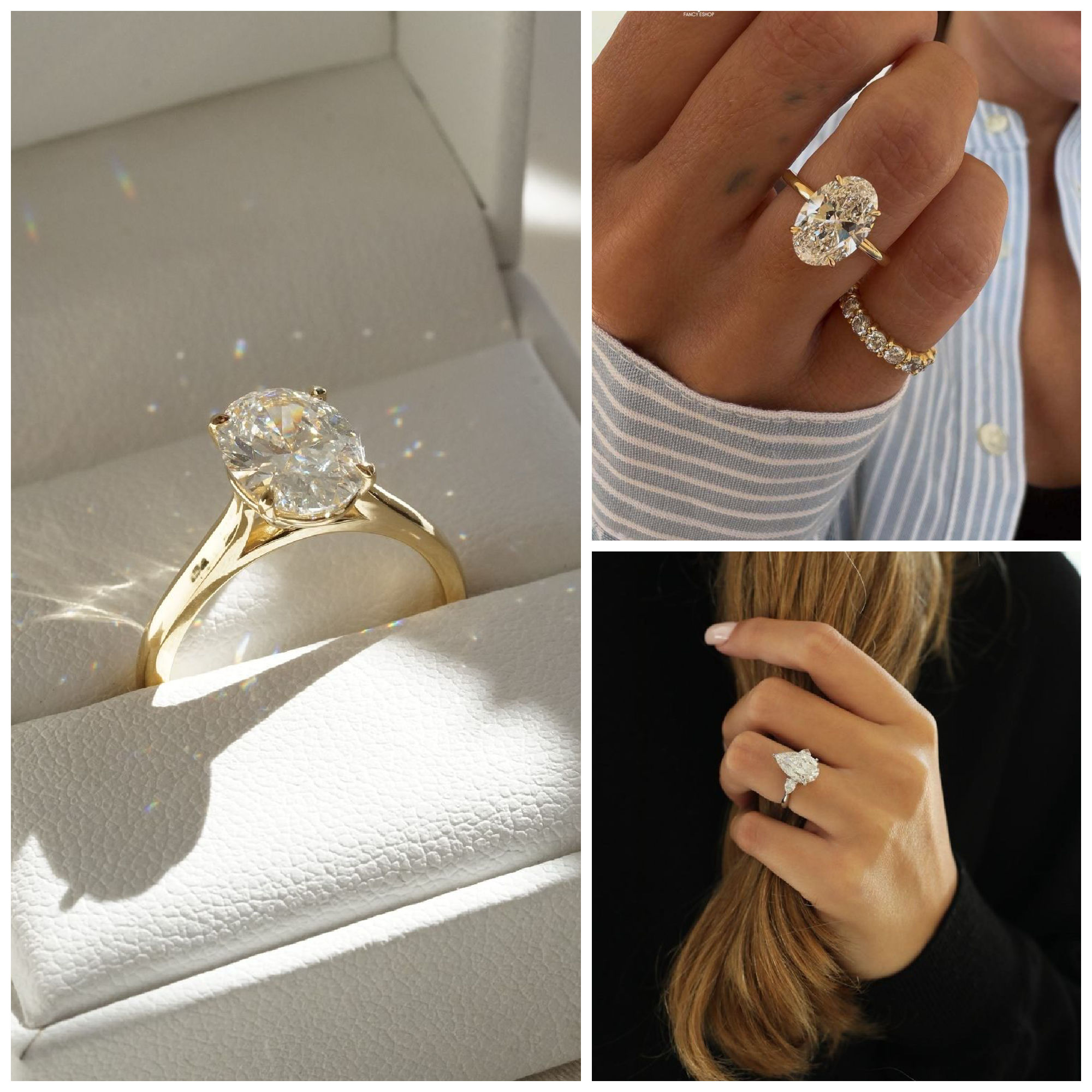
Shape doesn’t just affect how a stone performs with light or how large it appears. It also sets the overall mood of the ring and signals something about the wearer’s personal style. Some shapes have stayed in demand for over a century; others have cycled in and out of fashion. Right now, we’re seeing renewed interest in shapes that fell out of favor decades ago.
Round, Oval, and Cushion Cuts: Classic Looks and Modern Appeal
Round brilliant diamonds remain the best-selling engagement ring shape by far, and the reason is straightforward. The cut delivers maximum light return in a universally flattering silhouette that suits every hand type and pairs well with any setting style, from a sleek four-prong solitaire to an elaborate halo. Oval cuts carry much of the same brilliance as rounds but add a distinctly modern elongation that makes fingers appear longer and more slender. Over the past five years, the oval has maintained extraordinary popularity as buyers gravitate toward shapes that feel slightly unconventional without being niche. Cushion cuts, with their softly rounded corners and pillow-like silhouette, sit at the intersection of antique romance and contemporary wearability. The catch is: their larger facets tend to produce broader flashes of light rather than fine sparkle, which gives the stone a rich, luxurious quality that photographs beautifully. Lab grown diamonds work particularly well in all three of these shapes because consistent optical quality lets each cut’s intended light performance come through without variation.
Elongated Shapes Like Emerald and Asscher for Hand Flattering Effects
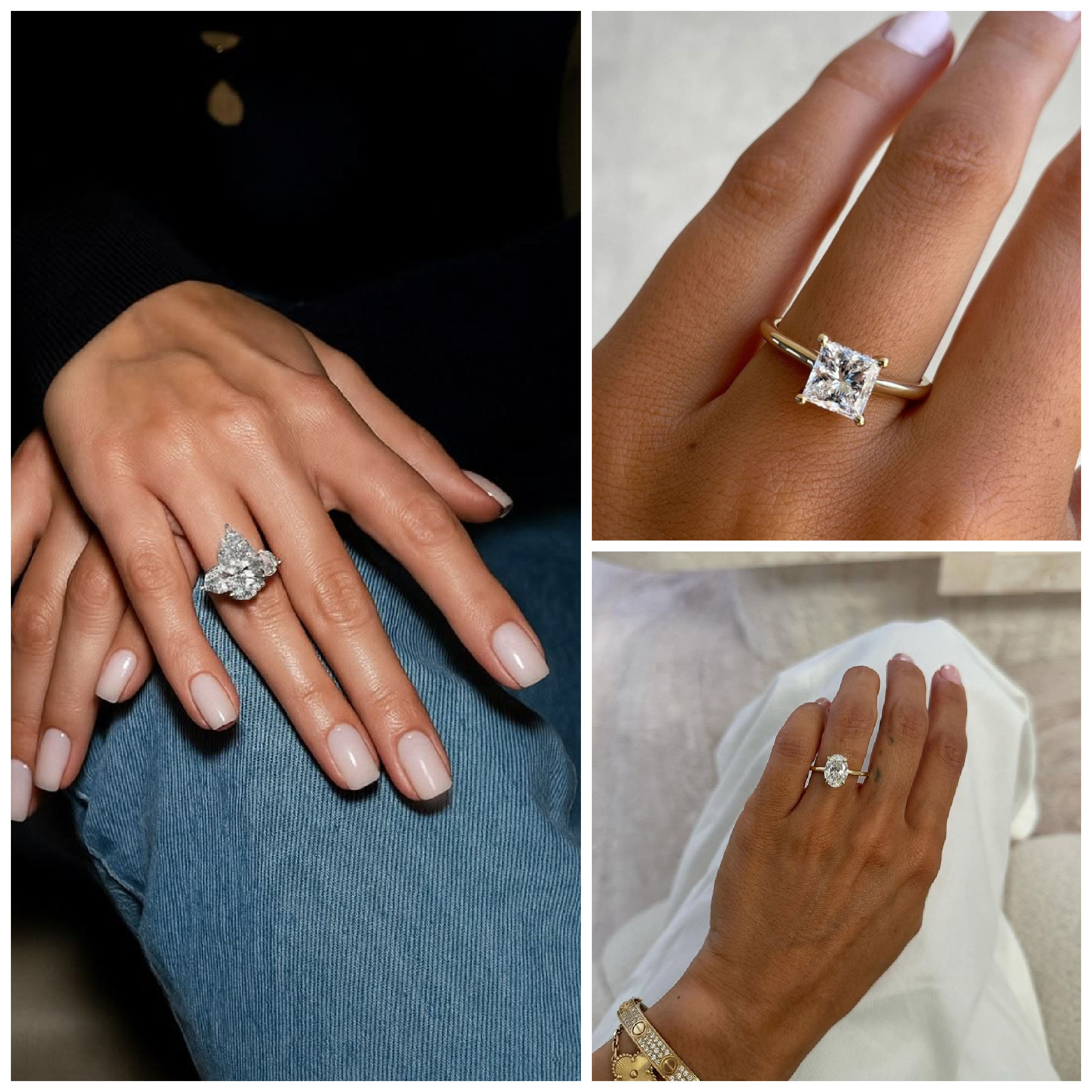
Emerald cuts have experienced a genuine resurgence in recent years, driven largely by their appeal to people who prefer understated sophistication over high-sparkle flash. The emerald cut’s rectangular table and cropped corners create clean, architectural lines that feel intentional and refined. The facets are large and open; this visibility of any inclusions is one reason selecting a higher clarity grade matters for this shape. In lab grown diamonds, achieving VS1 or better clarity is far more accessible price-wise than in mined stones, which makes the emerald cut a strong candidate for anyone drawn to the shape. Asscher cuts share the step-cut character but in a square format, with a distinctive octagonal outline and a deep, concentric facet pattern that draws the eye into the center of the stone. Both shapes sit flat and low on the finger; they’re comfortable for everyday wear and give the hand a structured, elongated appearance. And if you want a ring that reads as refined and deliberate rather than flashy, an emerald or Asscher cut lab grown diamond is a strong choice.
Conclusion
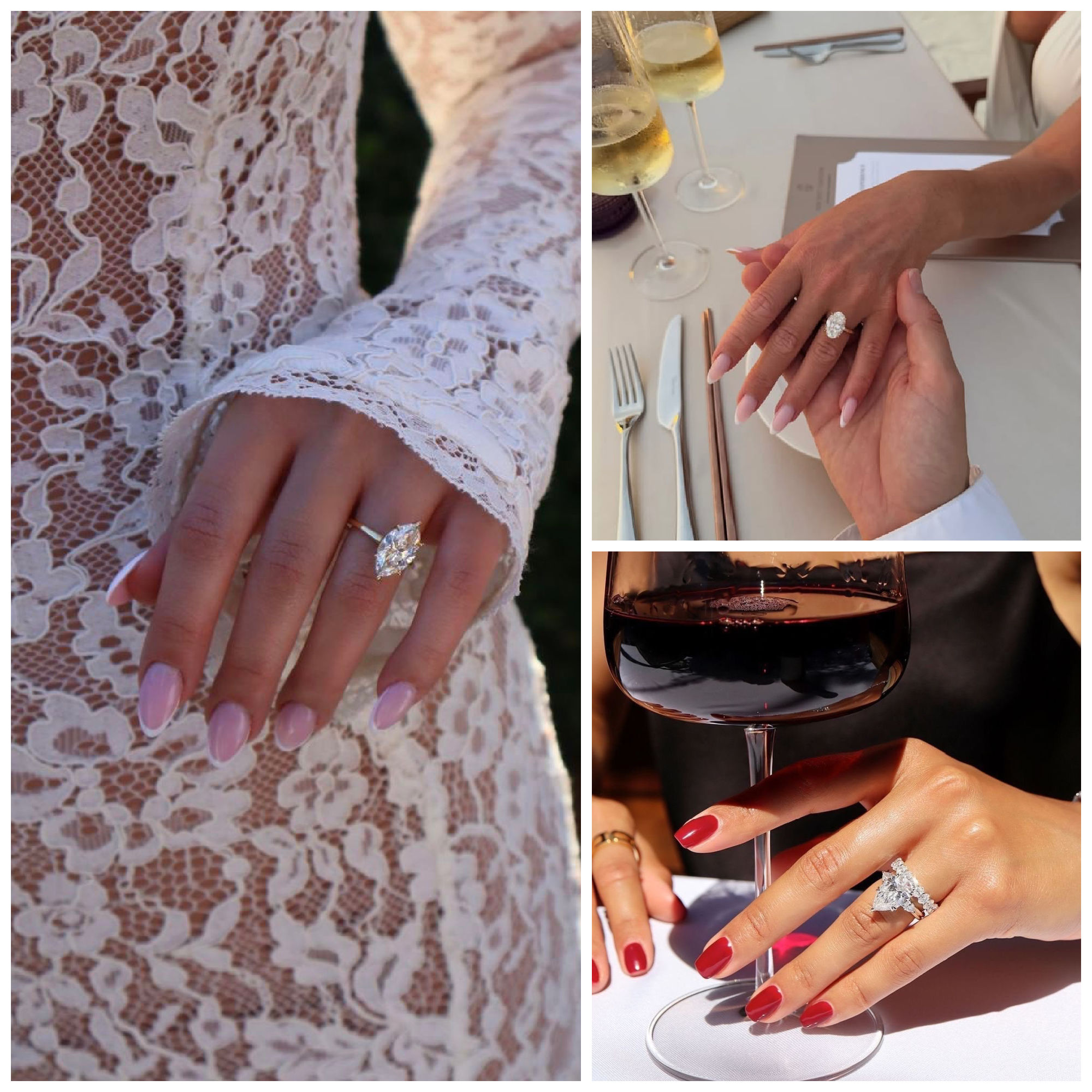
Shape is the single variable that controls everything else about how an engagement ring looks, from perceived size and finger flattery to the character of the light it throws. Round and oval cuts deliver brilliant, high-sparkle performance; cushion cuts blend romance with modern wearability; emerald and Asscher cuts bring a sophisticated, architectural calm to the hand. Lab grown diamonds make exploring these shape options genuinely practical, since you can prioritize the look you want without sacrificing quality for cost. The truth is, understanding how diamond shape changes the look of lab grown engagement rings is the clearest path to a ring that feels personal, intentional, and right for the person who’ll wear it.
xoxo
 withclarity.com
 withclarity.com

 withclarity.com